Feedlot Management
Cattle Welfare Monitoring: What Cameras Can Record
Learn what fixed cameras can document for feedlot welfare review, including activity, zone use, coverage gaps, source clips, and follow-up.
From the yard and the lab
Clear answers about cattle monitoring, feedlot operations, and livestock research.
55–63 of 102 articles
Learn what fixed cameras can document for feedlot welfare review, including activity, zone use, coverage gaps, source clips, and follow-up.
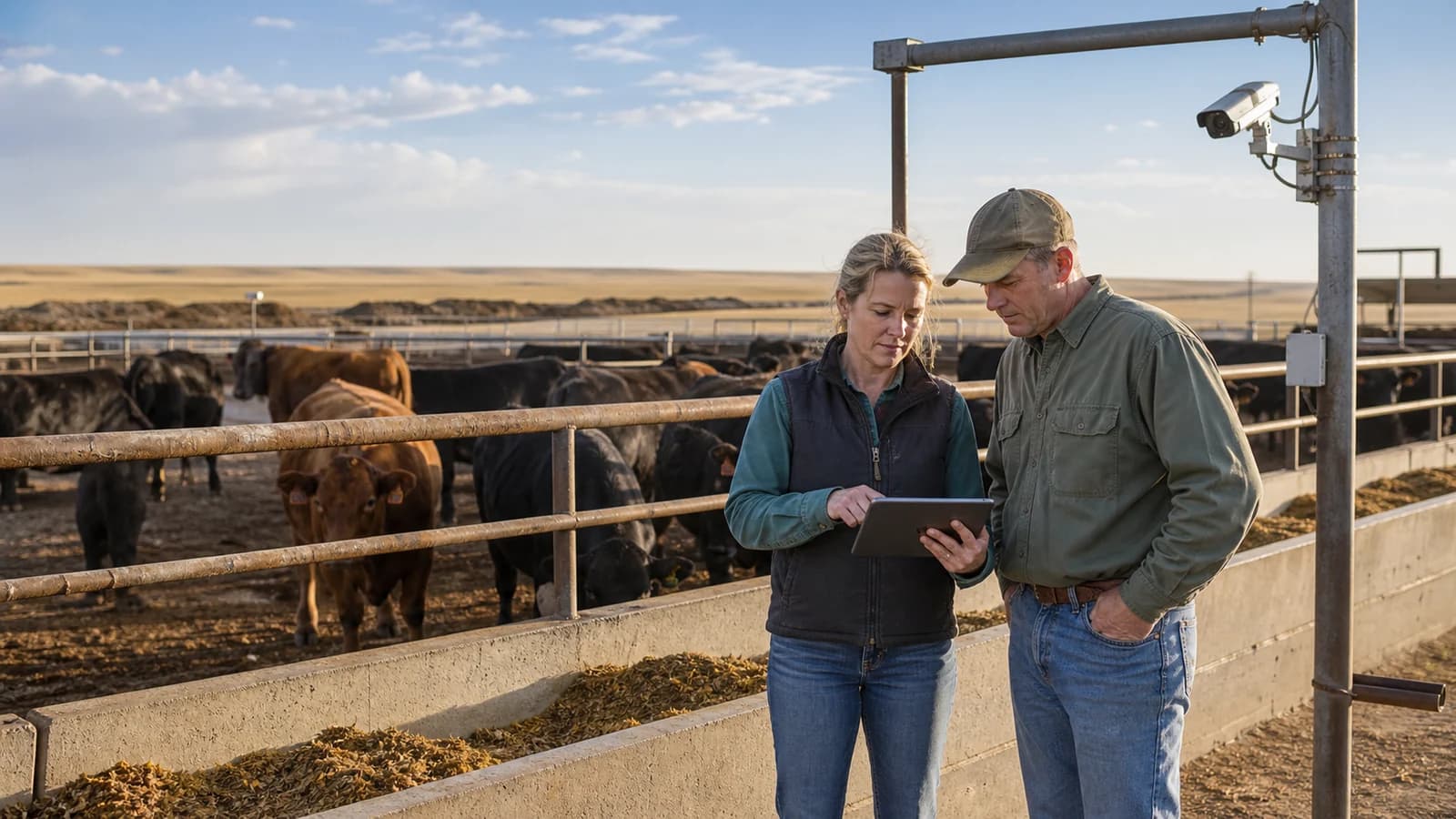
Connect cattle identity, pen history, camera observations, treatment records, weather, and necropsy findings for a clearer death-loss review.
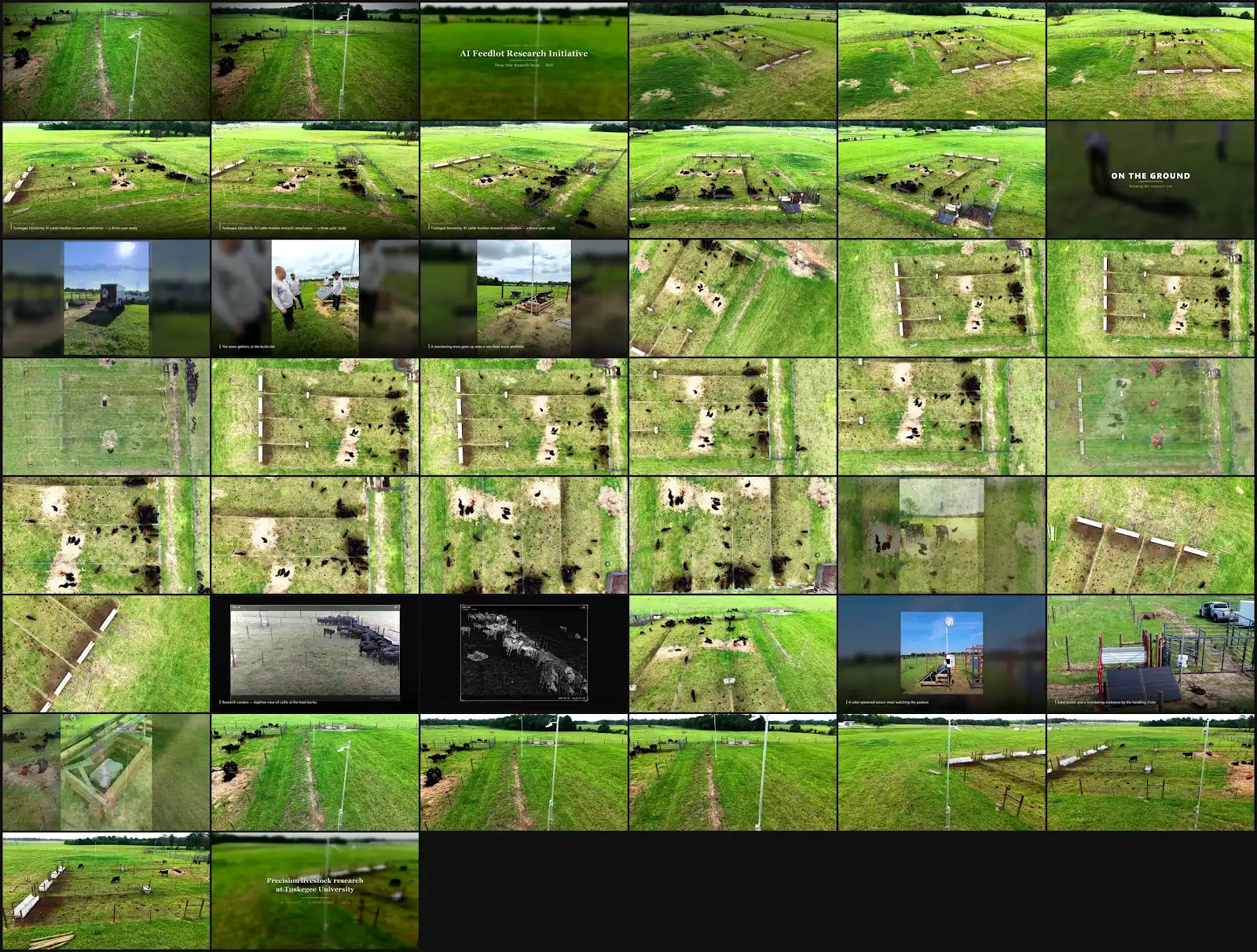
Plan a multi-camera cattle study with synchronized views, calibration, identity records, coverage logs, source video, and independent validation.
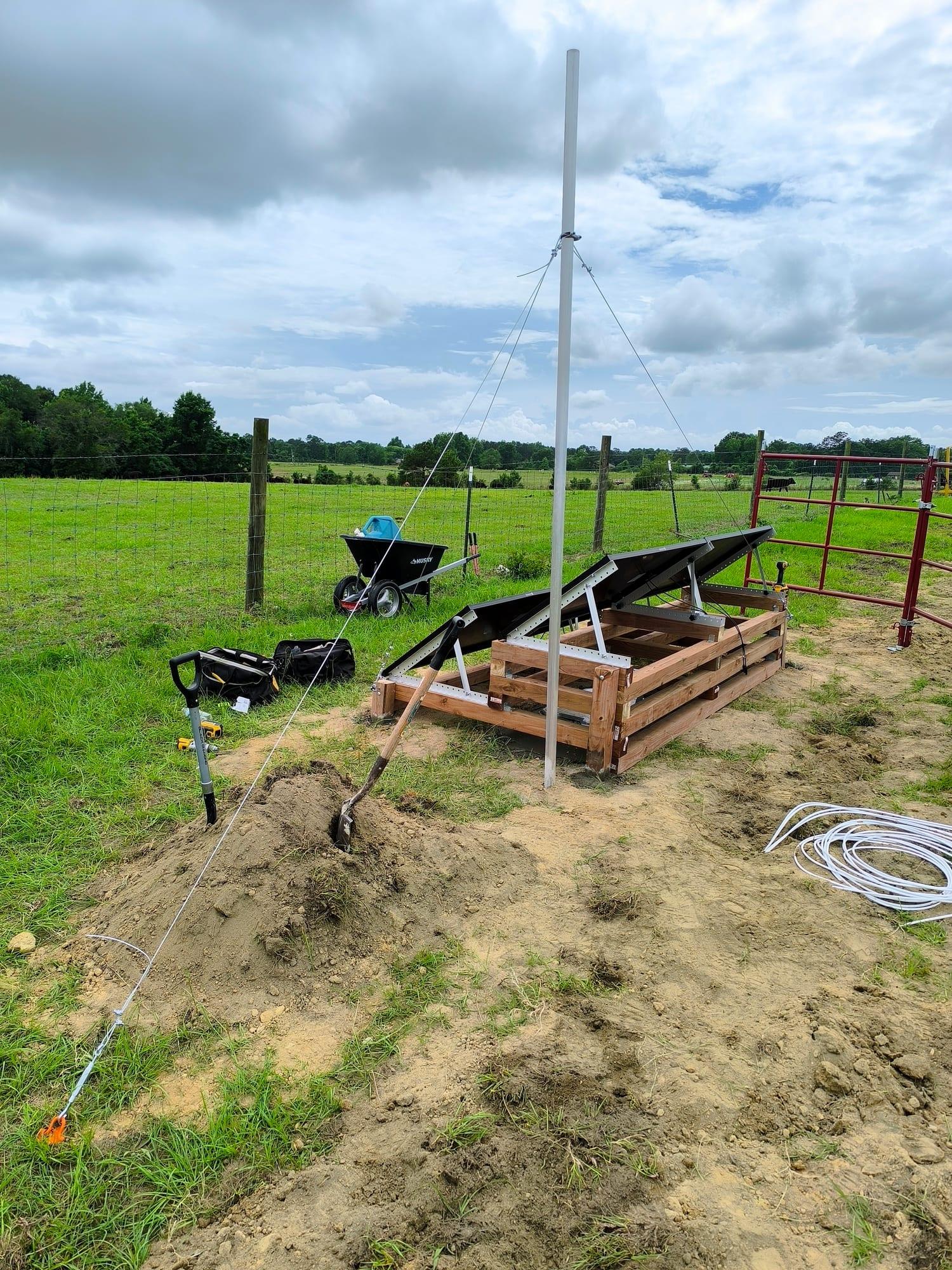
Plan feedlot camera coverage, power, cattle counts, and movement checks. See real field images and what to prepare before installation.
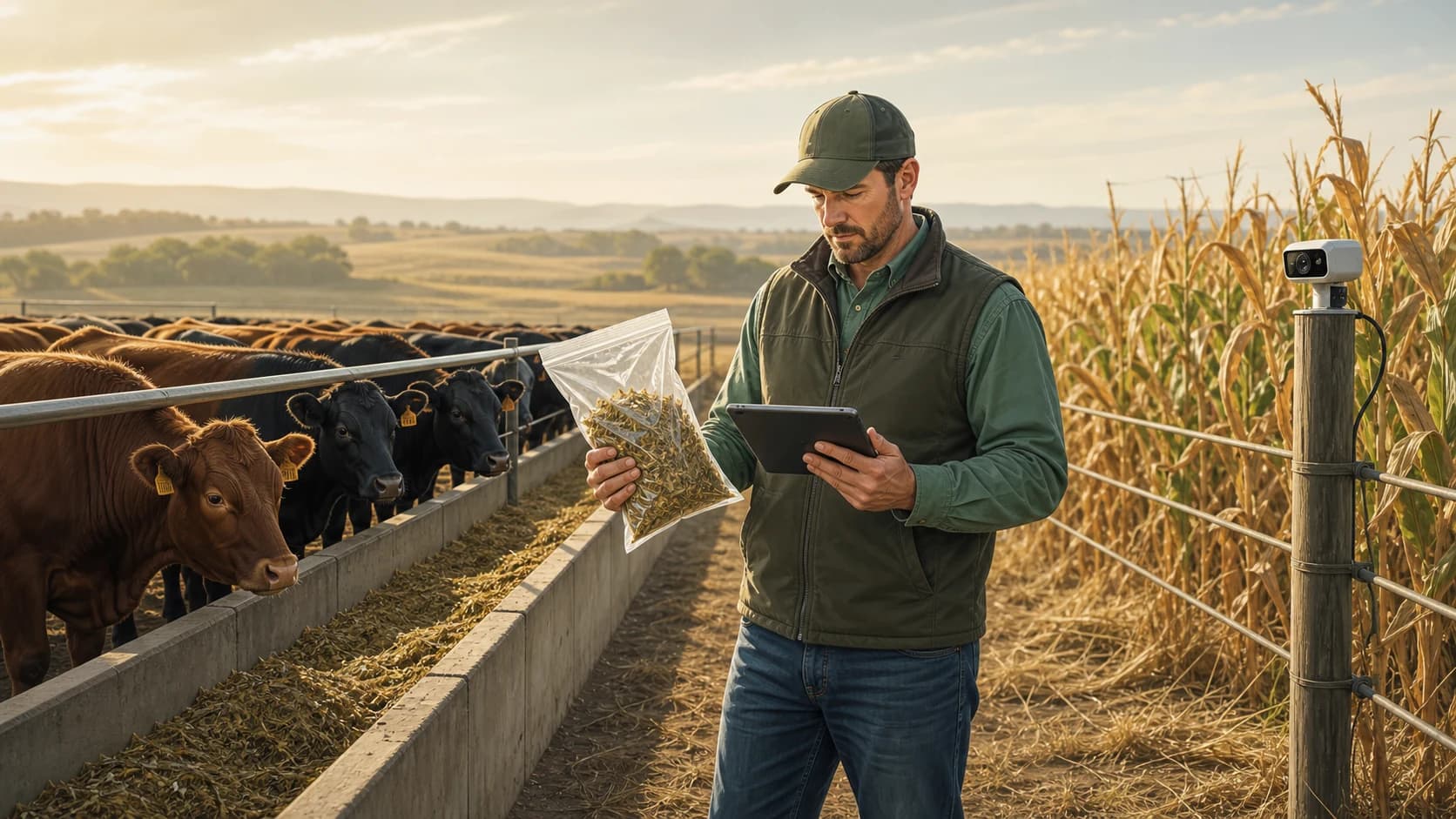
Test drought-stressed forage, preserve the nitrate result, record the feeding plan, and connect cattle observations to the exact forage lot.
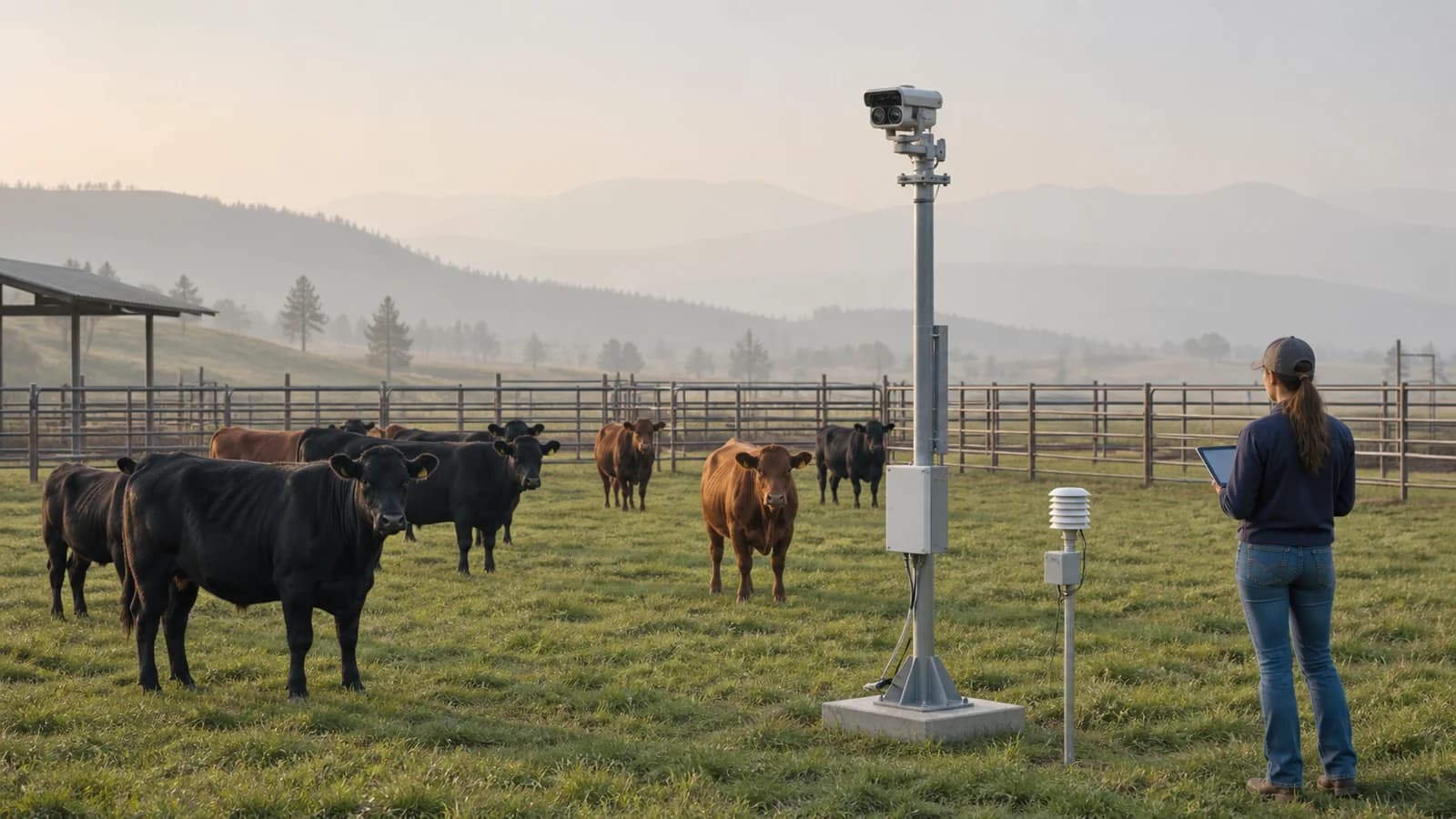
Build a time-aligned cattle research record for wildfire smoke, PM2.5, weather, camera observations, samples, and study outcomes.
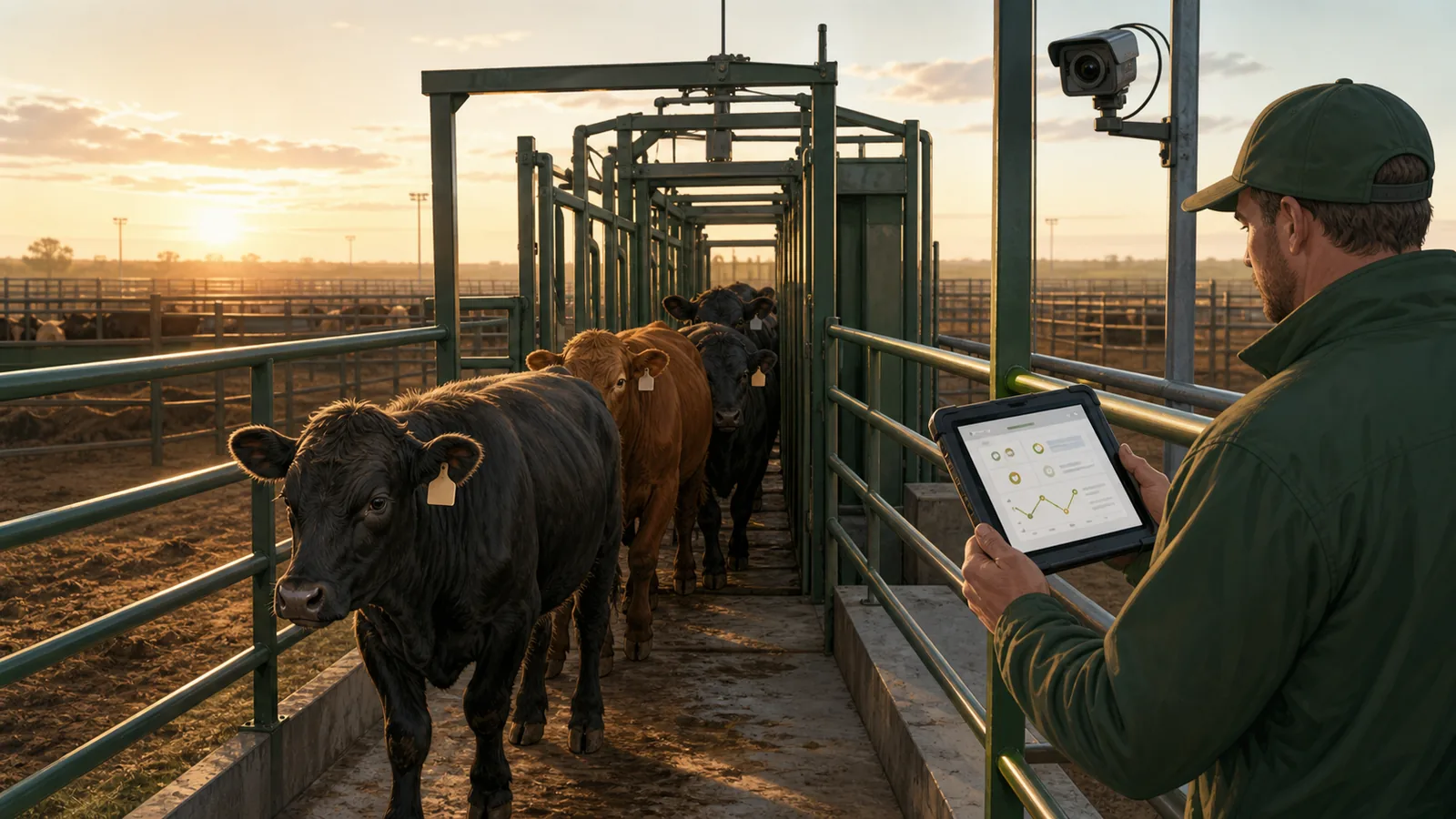
Learn which import, animal ID, receiving, and movement records feedlots should keep connected when Mexican feeder cattle arrive.
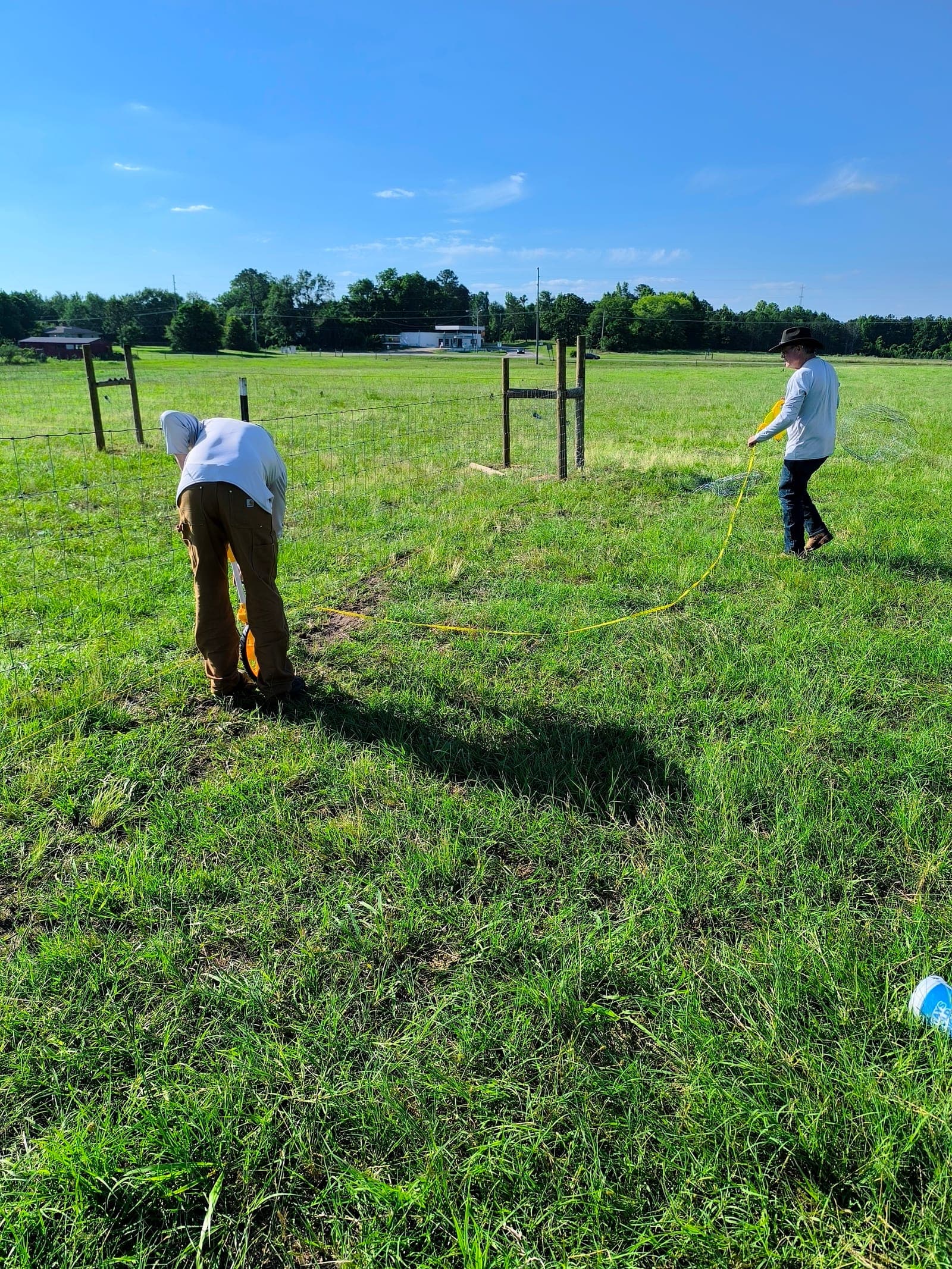
Learn the cattle signs and pasture facts to record when fescue toxicosis is a concern, plus where camera observations can support review.
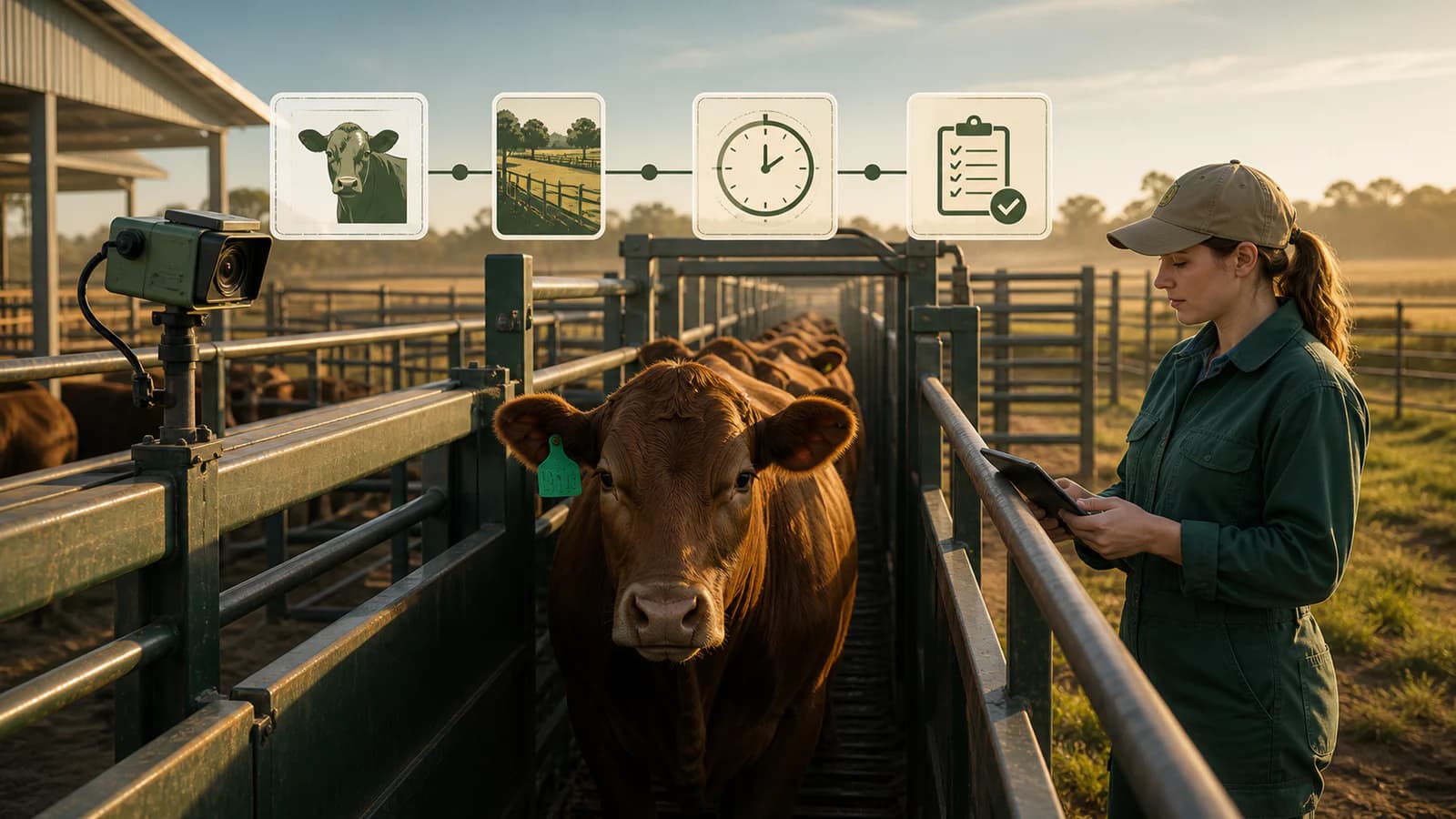
Learn what antimicrobial resistance means for feedlots, what cattle and sample records should stay linked, and where camera evidence can help.