The short version
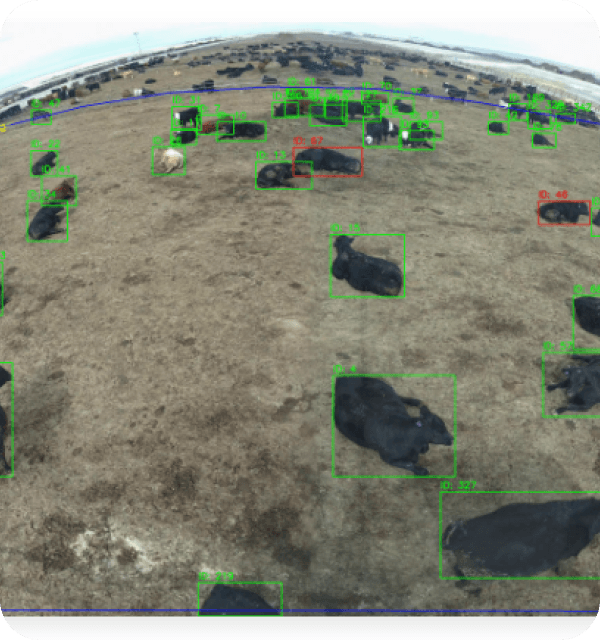
Your record says what should be in the pen. Cameras help show what is there.
A useful feedlot cattle inventory system compares the two, accounts for known cattle movement, and puts the remaining mismatch in front of the person who can solve it. The goal is not another screen to watch. It is a shorter exception list.
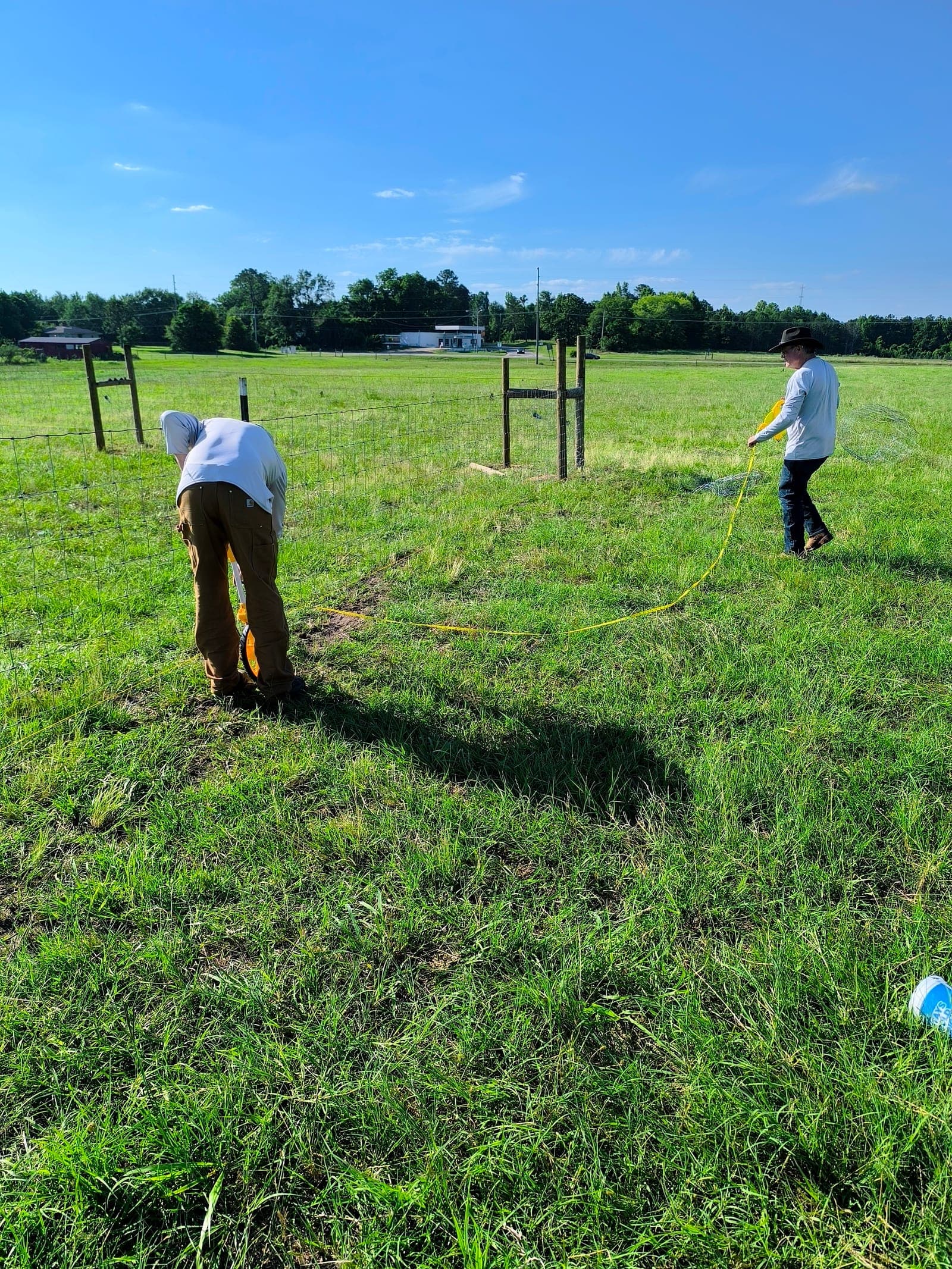
Installed at Tuskegee
See the cameras, pens, and chute behind the system
Our June 2026 field report documents 60 cattle across four research pens, RGB and thermal cameras, wireless links, on-site processing, and chute reference images.
This is the installed field system. For your yard, we agree on count checks and the review process before judging the inventory results.
See the field report and one-minute film →Every feedlot already has an inventory process. Cattle are placed, processed, pulled, returned, transferred, shipped, or recorded as mortalities. The challenge is keeping the expected number in each pen lined up with what actually happened in the yard.
A single head count gives you a number. Reconciliation tells you whether that number makes sense. That is where continuous camera observation can help: it adds time-stamped evidence between processing events, scheduled counts, and yard-record updates.
One pen, one clear process
How feedlot inventory reconciliation works
Build the workflow around the question your crew already asks: “Why is this pen out?”
- 01
Start with the yard record
Use the expected head count already assigned to the lot or pen.
- 02
Account for known moves
Include placements, hospital pulls, returns, transfers, mortalities, and shipments.
- 03
Compare the camera observation
Review the observed pen count and any movement captured during the comparison window.
- 04
Send only the exception
If the numbers do not reconcile, route that pen and its supporting evidence to the right person.
- 05
Resolve and document
Confirm the location, explain the movement, or correct the record—then close the exception.
No rip-and-replace
Three inventory tools. Three different jobs.
A fixed-camera system works alongside the software and counting practices you already use. Each answers a different operational question.
Your operating record
Yard software
Tracks the expected inventory, lot assignments, treatments, processing events, and documented cattle movement.
Best for: The official record your team runs the yard from.
Point-in-time verification
Manual or aerial count
Provides an independent count at a scheduled moment, whether cattle are counted from the ground or the air.
Best for: Periodic audits, transactions, and spot checks.
Evidence between checks
Fixed-camera layer
Adds repeated observations, time-stamped movement context, and a short list of pens that need review.
Best for: Ongoing reconciliation and movement exceptions.
Identity continuity
Cameras should connect with EID/RFID—not compete with it
EID and RFID work well at controlled read points. During chute processing, the electronic identifier can be associated with the visual ear tag, face, and muzzle images captured during the same passage. That gives the yard both a known electronic ID and a visual reference record.
After the animal leaves the chute, fixed cameras can add pen-presence and movement context between controlled reads. The EID remains the electronic identifier; the cameras add evidence about where and when the animal was observed.
Current APHIS cattle-identification guidance says to record all forms of identification when an animal has more than one. See the APHIS cattle-identification reference.
Built for the people running the yard
Give each person the answer they need
The system should turn the same camera evidence into a useful operating answer—not dump more raw video on the crew.
Owner or general manager
Which pens do not reconcile, and how long have they been out?
Yard manager
Was there an unexplained move, a wrong-pen event, or cattle out?
Cattle accounting
What observation supports the expected head count and movement record?
Processing crew
Can the EID/RFID read be tied to the animal’s visual reference record?
Start where the answer matters
How to start a feedlot cattle inventory pilot
Pick a small set of pens and one problem: repeated recounts, unexplained moves, or mismatched records. Agree on who checks the count and what would make the system useful to the crew.
Bring these five things to the site review
- A current yard or pen map
- Expected head counts for the pilot pens
- The movement events your team already records
- Known visibility, lighting, power, or network constraints
- The person who will review and close an exception
Livestock Technologies uses that information to map camera positions and the review process. Compare camera observations with crew-verified counts under the conditions that matter in your yard. Record missed or unclear observations, the time spent reviewing them, and what explained each difference.
If pen counts are not your first priority, the same field infrastructure can support other observation workflows. See the broader Livestock Technologies feedlot workflow.
Straight answers
Feedlot cattle inventory questions
What is a feedlot cattle inventory system?
It is the people, records, and tools used to track how many cattle should be in each lot or pen. Livestock Technologies adds a fixed-camera observation layer that can compare what the yard record expects with what the system observes, then send the mismatch to a person for review.
Can cameras replace our feedlot management software?
No replacement is required. Your yard software remains the operating record. The camera layer adds time-stamped pen-count and movement evidence so your team can find and resolve exceptions faster.
How does camera-based inventory work with EID or RFID?
At a controlled chute read, the EID/RFID number can be associated with visual ear-tag, face, and muzzle images captured during the same passage. Fixed cameras can then add pen-presence and movement context between controlled reads.
What is the best place to start a feedlot inventory pilot?
Start with a small group of pens where the expected count and movement history are known. Agree on the review process, operating conditions, and acceptance criteria before installation, then compare observed counts with the yard record.