What the cameras can observe

What cattle cameras observe—and what your team can do with it.

See the direct camera evidence, the observations software can organize from it, and the feedlot or research decisions each measurement is designed to support.

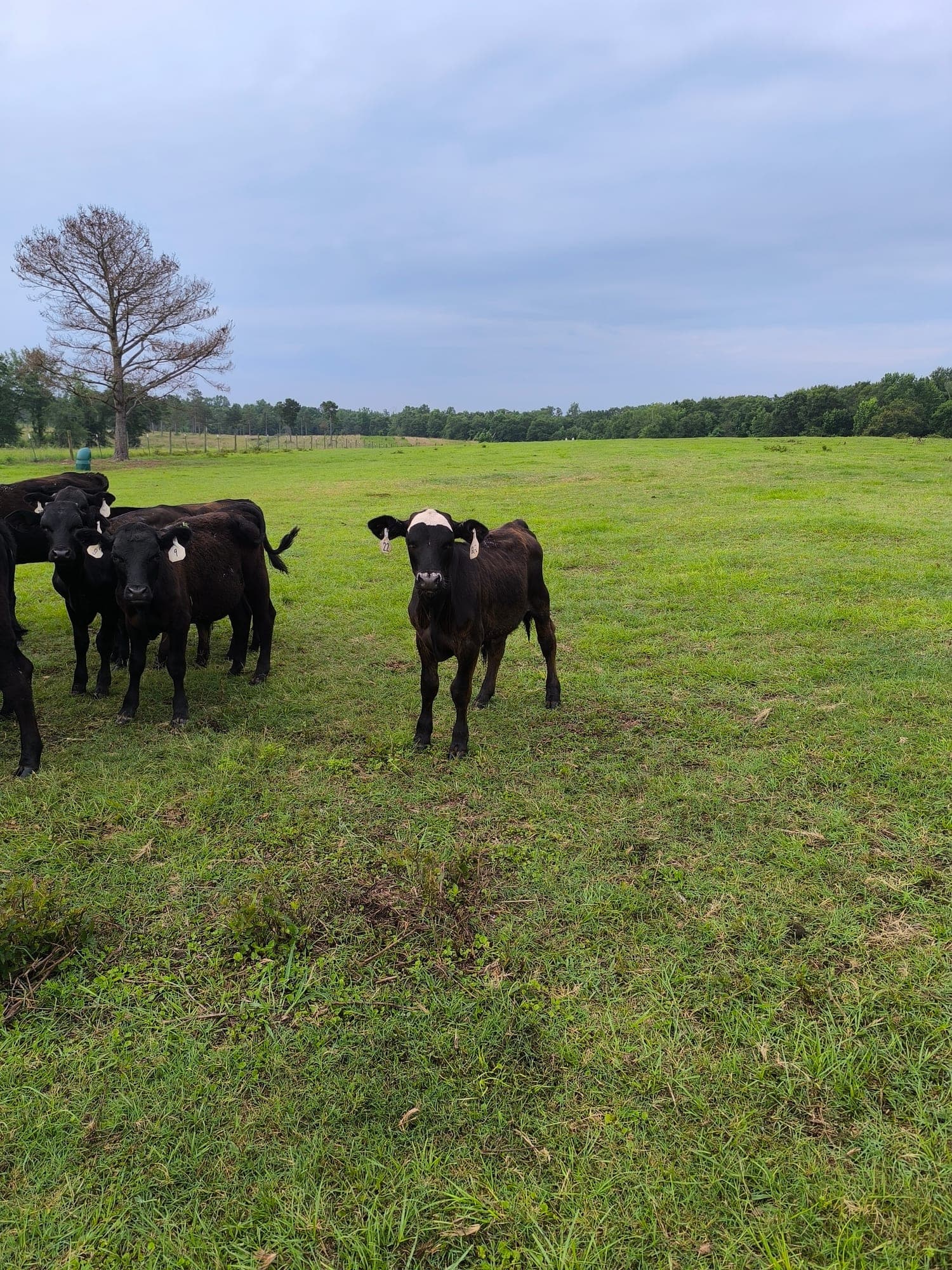
Tagged cattle standing in a pasture at the Tuskegee University research deployment

Measurement principle

Observe the signal. Preserve the evidence. Let a person decide what it means.

Directly observed

Color or thermal imagery, time, location, and presence inside a configured view.

Computed for the site

Detections, counts, zone use, and movement candidates shaped by camera geometry and rules.

Reviewed by people

Source evidence supports the operator, researcher, or animal-health professional making the decision.

Six monitoring areas

Operational questions first. Measurements second.

A useful cattle monitoring system connects camera observations to the inventory, movement, zone, identity, and research workflows that teams need to review.

01Configured per site

Inventory and presence

Which cattle are visible in the expected pen, and where does observed presence differ from the operating record?

What the platform records

  • Camera-observed cattle counts within defined coverage
  • Expected-versus-observed pen reconciliation
  • Evidence for possible missing, additional, or obscured animals
Operational value: Gives yard teams continuous observed counts and reviewable exceptions alongside the records they already use.

02Configured per site

Movement and pen continuity

Did a transfer, gate passage, or pen change occur as expected?

What the platform records

  • Time-stamped activity at covered gates, alleys, and chutes
  • Track continuity across configured camera views
  • Review clips for wrong-pen or movement-record exceptions

Operational value: Connects movement events to visual context so teams can review changes between counts.

03Configured per workflow

Bunk and water-zone review

Is an animal or group appearing in the expected feed and water areas on its normal schedule?

What the platform records

  • Presence and dwell time inside configured zones
  • Changes in visit timing or frequency
  • Evidence for absence or reduced zone use

Operational value: Provides time-stamped zone activity for bunk and water-area review.

04Configured or research use

RGB and thermal context

What visible detail and surface-temperature pattern can help a qualified person review an animal or event?

What the platform records

  • Color imagery for visible context
  • Thermal surface patterns and asymmetry
  • Paired evidence from the same covered area or passage

Operational value: Pairs visible and thermal context across day and night for field and research review.

05Controlled chute workflow

Identity at the chute

How can chute imagery create visual references alongside the records already used by the operation?

What the platform records

  • Face, muzzle, and visible-tag reference capture
  • Time-stamped chute passages
  • Visual references associated with EID/RFID and manifests

Operational value: Builds controlled-chute identity context into existing livestock records and review workflows.

06Configured per study

Research measures and exports

Which observations, time windows, labels, and evidence are required to answer the study question?

What the platform records

  • Study-defined zones, events, and observation windows
  • Reviewable clips and time-stamped records
  • Structured exports tied to the agreed research plan

Operational value: Gives research teams a field platform for study measures, review, and exports.

Overall scope: the platform records camera observations and evidence for configured areas, zones, chute passages, and research workflows; teams use that evidence alongside their operating records and professional judgment.

Real field views

Digital context by day. Thermal evidence after dark.

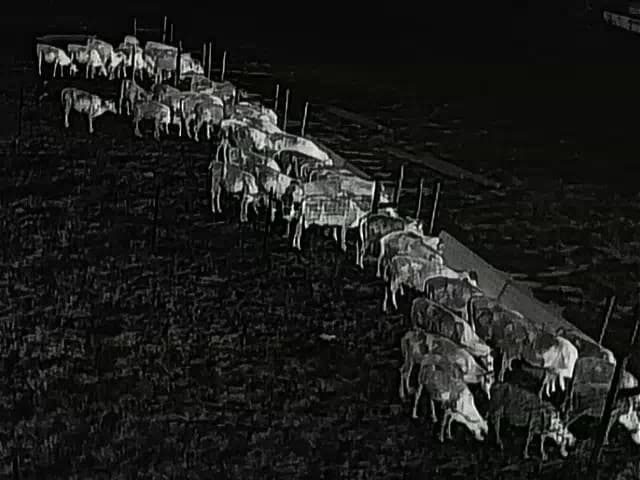
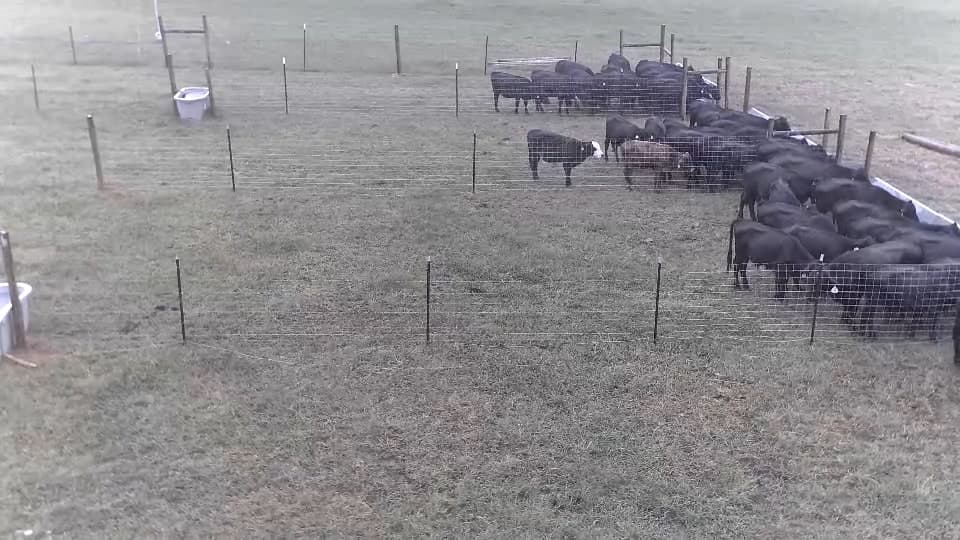
The two channels answer different parts of the review. Color imagery provides visible context such as animal position and scene detail. Thermal imagery preserves surface-temperature and presence patterns when visible-light conditions change.

The value comes from pairing each observation with its time, location, configured zone, and supporting evidence for the people reviewing the operation.

See the Tuskegee field deployment
Digital camera view of cattle gathered along a feed bunk

Digital camera view

Visible scene context and configured zone activity.

Thermal camera view of cattle positioned along a feed bunk at night

Thermal camera view

Surface and presence evidence in low visible light.

From signal to action

A monitoring workflow people can see and inspect.

The source observation stays connected to the count, movement candidate, identity reference, or study measure it supports, so a person can understand why it deserves attention.

  1. Field-installed camera view of cattle gathered along a feed bunk at Tuskegee University
    Documented field camera view
    01Capture

    Cameras observe the operation

    Fixed color and thermal cameras preserve time-stamped views of pens, gates, bunks, alleys, and the chute.

  2. Computer-vision output showing detected cattle in an overhead pen view
    Computer-vision detection output
    02Measure

    Software turns pixels into observations

    Computer-vision models, geometry, time, and thermal values organize detections into count, presence, movement, and reference observations.

  3. Review requestedPen 4 · 6:20 AM

    Observed count differs from the yard record

    Expected

    60

    Observed

    Review

    Illustrative interface—not a reported field result.

    03Compare

    Site rules surface what changed

    Expected records and observed activity are compared so the team can focus on a pen mismatch, movement event, or identity review.

  4. Source evidence ready

    Review the moment, then choose the action.

    1. 1Open the source frame or clip
    2. 2Compare with the operating record
    3. 3Confirm, correct, or investigate

    Illustrative workflow; deployment outputs are scoped to the site or study.

    04Decide

    A person reviews the source evidence

    The operator or researcher sees the relevant time, location, and source imagery before deciding what happens next.

Direct observations come from captured imagery and time. Counts, movement exceptions, identity associations, and study measures are produced through deployment-specific models, geometry, rules, and validation.

Common questions

Clear answers before a site assessment.

Does the system replace EID, RFID, or feedlot management software?

Livestock Technologies works as a camera-based observation layer alongside EID, RFID, inventory systems, manifests, and the operating software a team already trusts.

How do behavioral and thermal observations support review?

A change in activity, zone use, visible appearance, or surface-temperature pattern gives animal-health professionals and operations teams time-stamped evidence for review.

Can the same platform support university research?

Yes. Research teams can define species, study zones, observation windows, labels, validation methods, evidence retention, and exports around a specific protocol.