Why Livestock Technologies
Built around cattle work.
Backed by a view you can check.
Reconcile a pen. Review a transfer. Connect a chute image to an animal record. Our cameras and on-site infrastructure are built around those jobs.
Discuss a feedlot deployment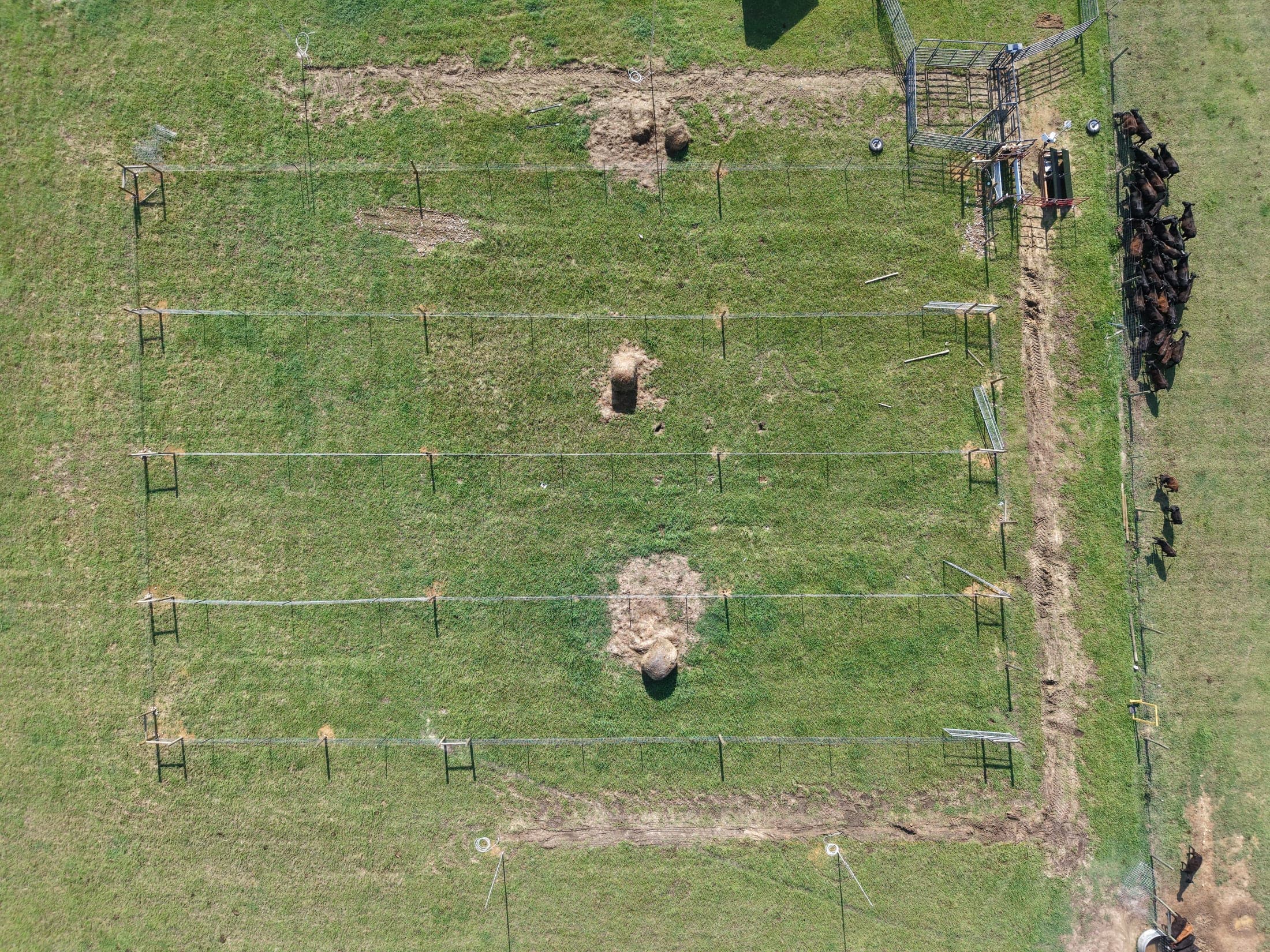
The practical difference
What makes the approach different?
A camera view becomes more useful when it answers an operating question and stays connected to the records your crew trusts.
Explore the technology- What is in each pen?
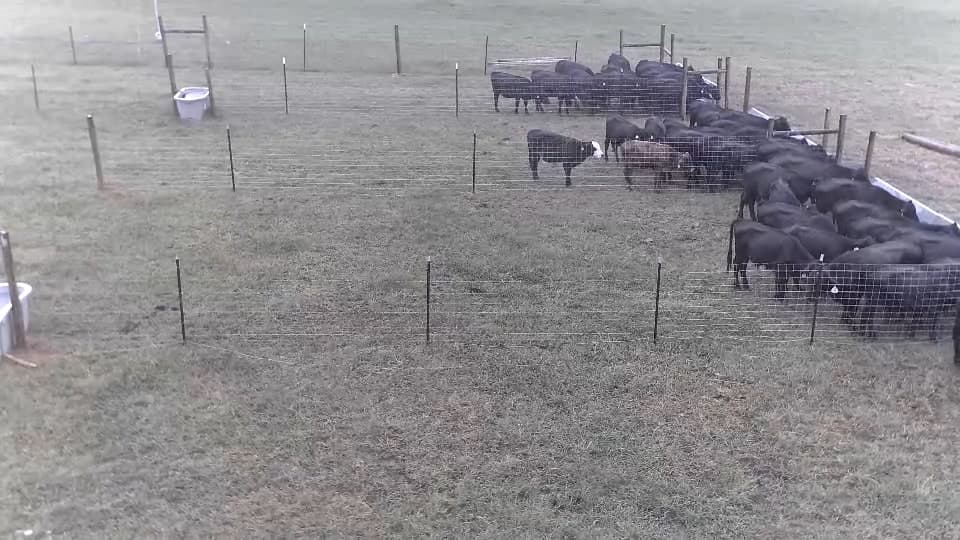
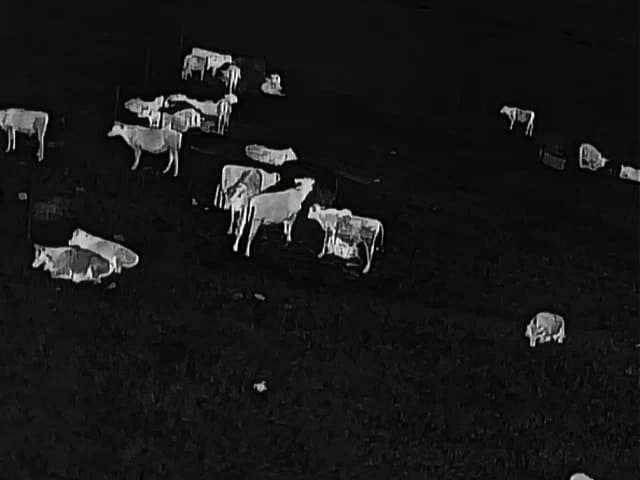
- Fixed color and thermal cameras provide reviewable pen observations alongside the yard record.
- What changed between counts?
- Time-stamped imagery around gates, alleys, processing points, and pen transitions supports movement review.
- How is identity connected?
- Controlled chute capture connects visible ear-tag, face, and muzzle reference views with EID or RFID records.
- What happens at night?
- Color and thermal channels provide complementary presence and movement evidence across day and night.
- Where does the data go?
- Solar nodes, wireless backhaul, and on-site AI and storage keep the platform under the operator's control.
Documented field deployment
See it in the field at Tuskegee.
The documented deployment is installed and recording 60 cattle across four pens under a Sponsored Research Agreement.
Fixed color and thermal cameras, solar nodes, wireless networking, on-site AI and storage, and chute-reference workflows form the field platform.
Passive re-identification and automated health performance are measured for the specific deployment or study.
Read the documented field deployment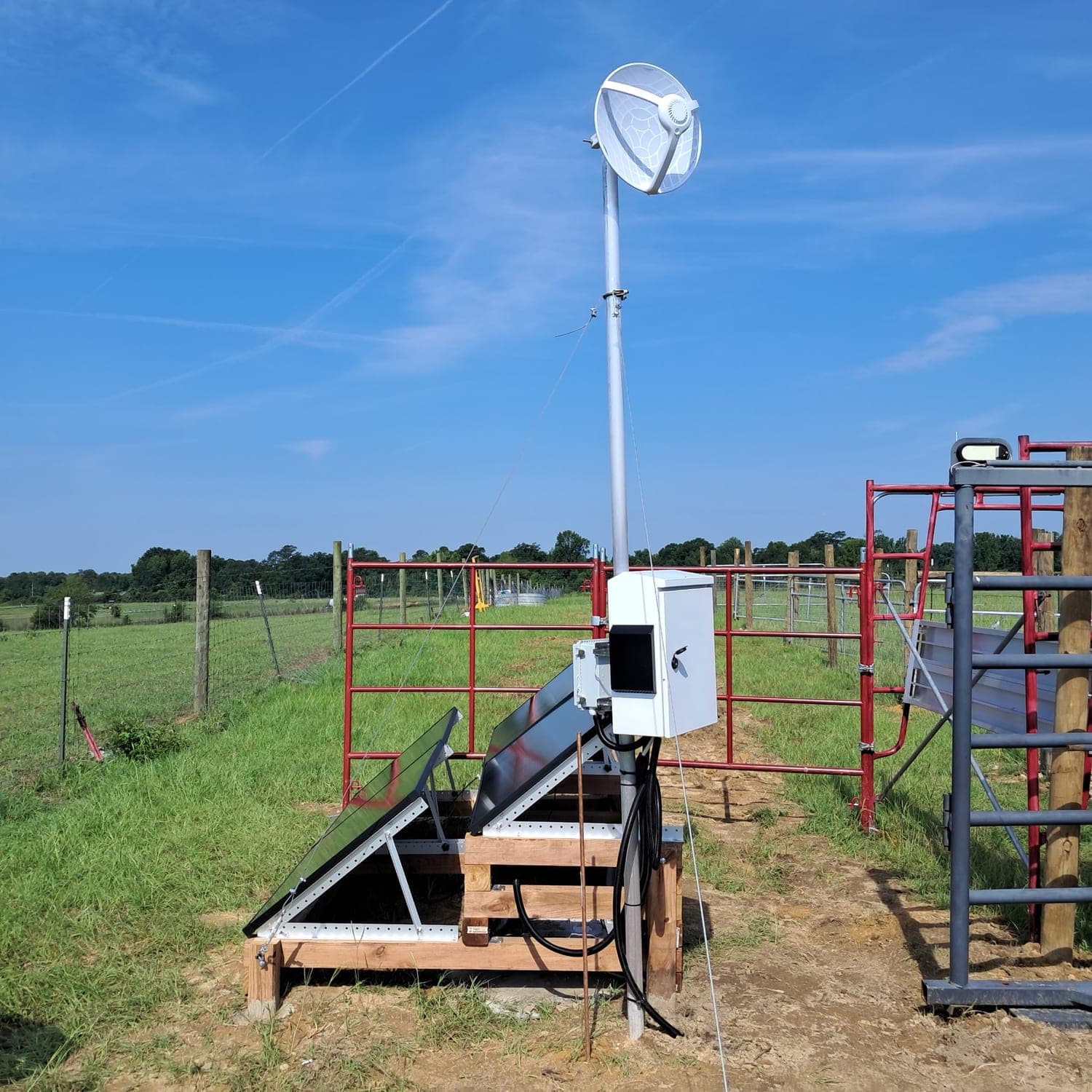
A few details before we talk.
What infrastructure is field built?
The platform combines fixed color and thermal cameras, solar-powered nodes, wireless backhaul, and on-site AI and storage for livestock operations.
What does the Tuskegee deployment document?
It documents an installed and recording deployment for 60 cattle across four pens with field hardware, networking, on-site computing, storage, and chute-reference workflows.
How does the system fit existing livestock records?
Reviewable inventory, movement, and identity evidence can be used alongside EID, RFID, manifests, and feedlot software.
Bring us the question your crew is asking.
Inventory, movement, identity, or a research study—we'll discuss how the field platform fits.