For research teams
Precision livestock research.
Built around your next question.
Follow cattle behavior beyond an observation round. Our computer vision platform uses fixed RGB and thermal cameras at the pens and bunks, with on-site storage that keeps footage available for your team to revisit.
Discuss your studyA working research deployment at Tuskegee University. Designed for little to no routine maintenance.
Read the research capabilities brief →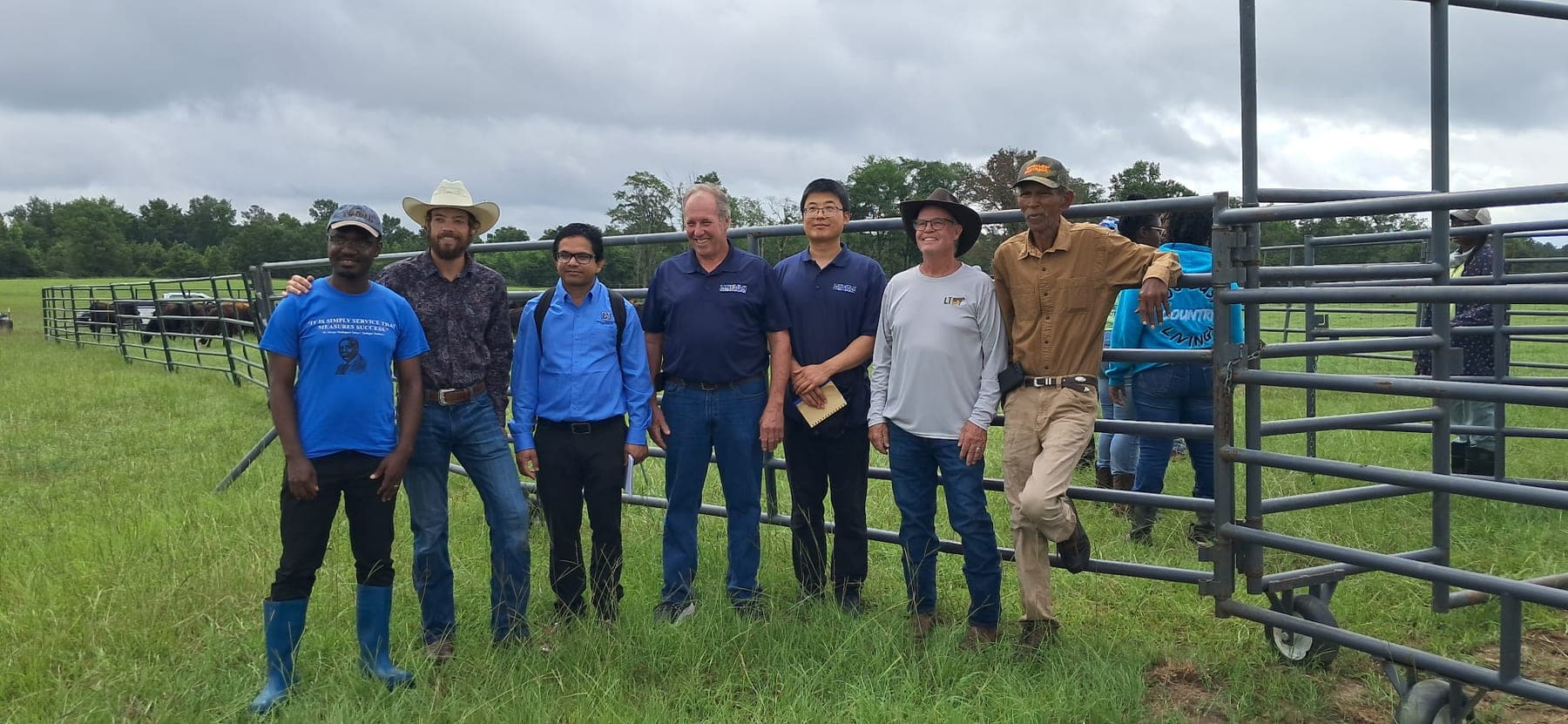
Documented field deployment
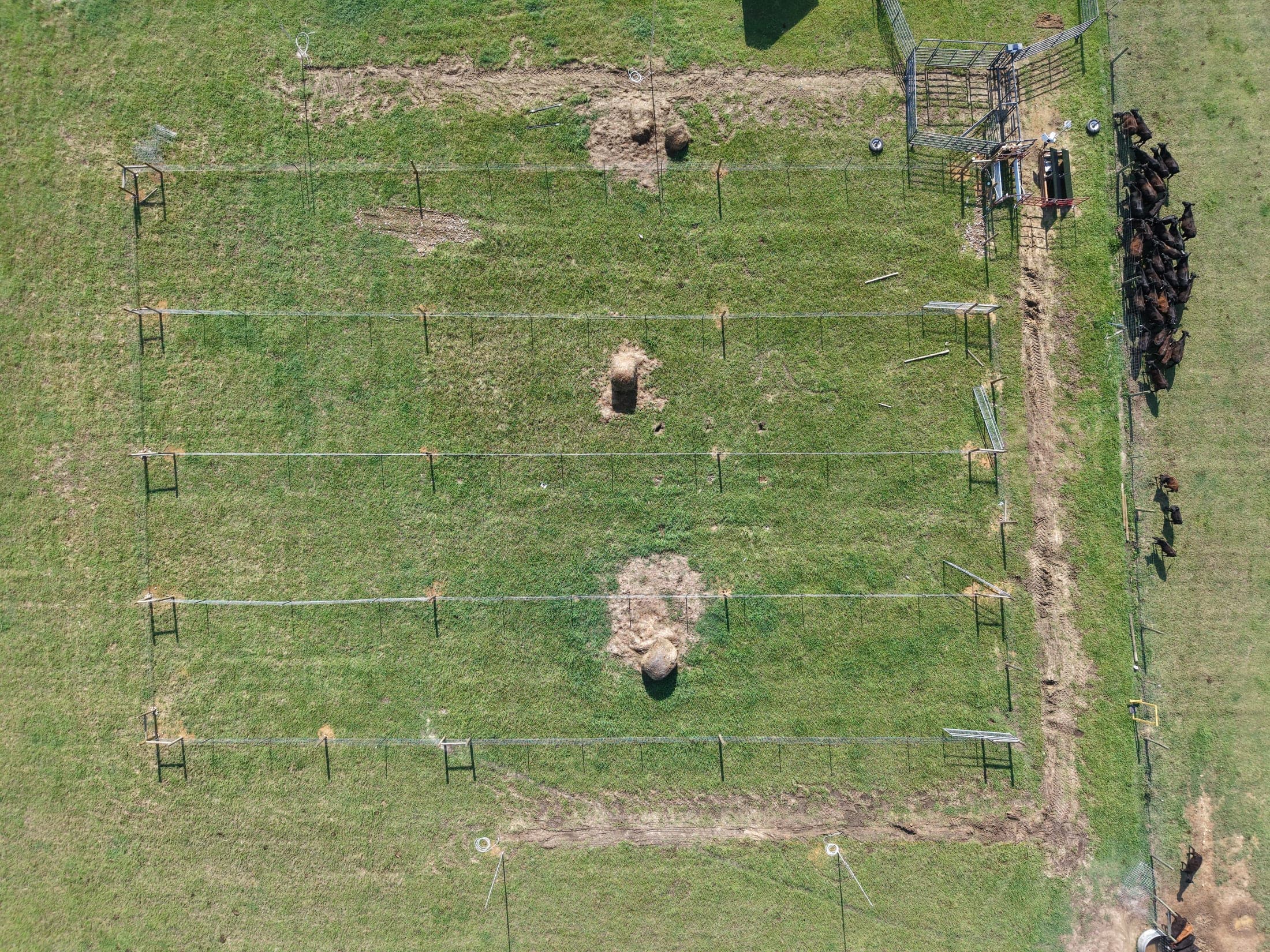
A working research setting at Tuskegee.
Under a Sponsored Research Agreement, the installation records 60 cattle across four pens. Paired RGB and thermal nodes, solar power, wireless links, and on-site computing capture the field. Controlled chute passage adds face, muzzle, and visible tag reference views.
Watch the deployment and read the field reportFrom question to evidence
Turn a field question into a record you can revisit.
Cameras preserve the pen view beyond a single observation round. Your team defines the behavior, review method, and data it needs; we scope the capture and on-site system around that plan.
See the capture technologyPlanning equipment for a facility? University projects can be scoped as a one-time deployment with on-site software and storage.
Share the capabilities brief with your teamExample study plan
How does bunk use change across the day?
- Define the observation. Agree on the time window and what counts as a visit.
- Keep the field view. Capture footage at the bunk with the fixed camera system.
- Review the evidence. Revisit the relevant footage and plan the annotations and data export the study needs.
Your team chooses the measurement method and deliverables; we shape the field and data scope around them.
Bring your research question. We’ll scope the field setup.
Tell us the species, setting, question, and intended timeline. We can talk through camera coverage, data access, and a practical equipment scope. A finished specification can come later.
Discuss your research projectPrefer a direct conversation? Email Steve or call 719-342-5683.