Latest guideResearch & PLF
What Hay Changes for Milk-Fed Dairy Calves
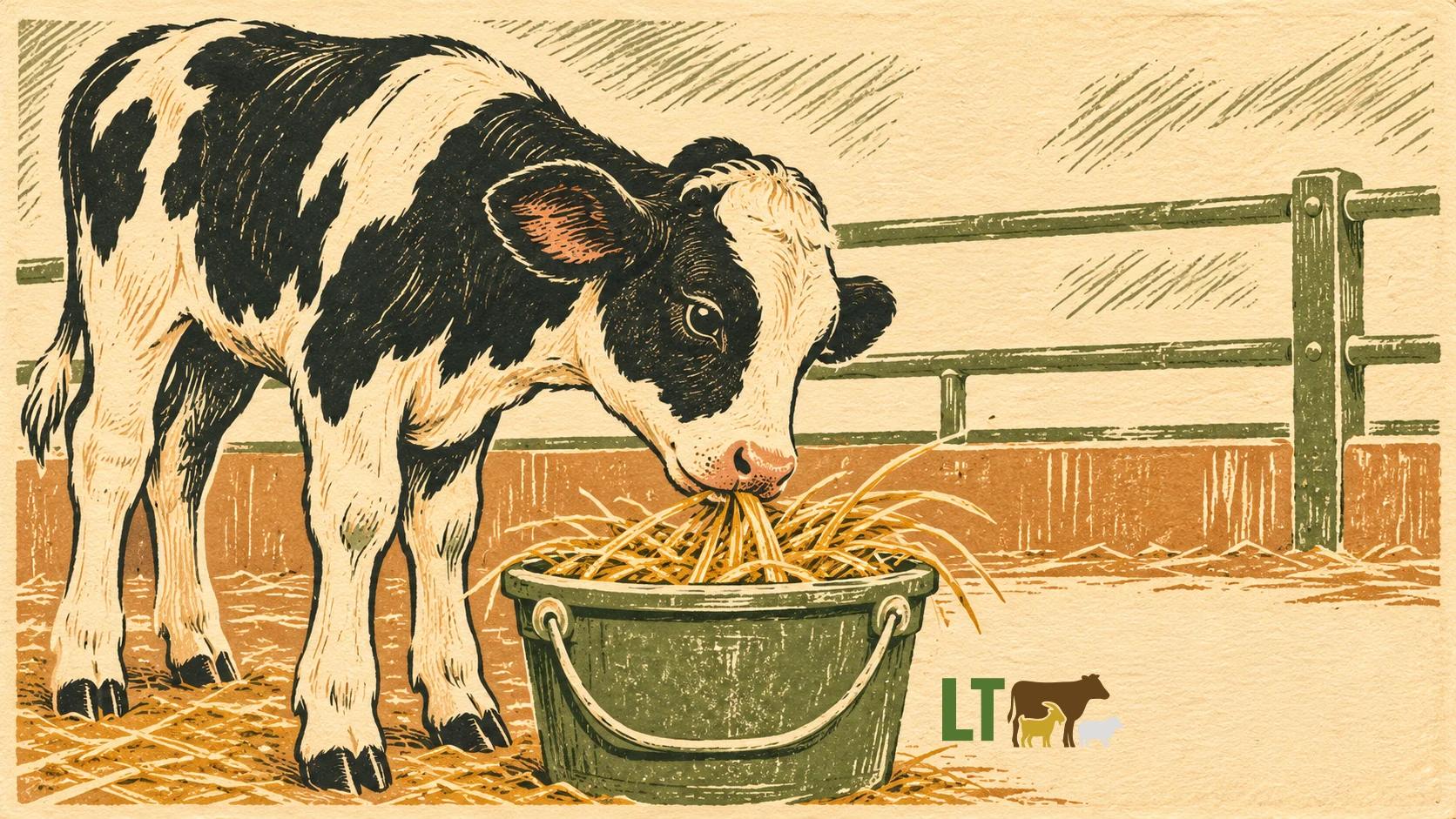
A UC Davis comparison shows what long hay changed for milk-fed calves, and why a novel pipe feeder did not beat a bucket on one measure.
From the yard and the lab
Clear answers about cattle monitoring, feedlot operations, and livestock research.
1–9 of 102 articles
A UC Davis comparison shows what long hay changed for milk-fed calves, and why a novel pipe feeder did not beat a bucket on one measure.
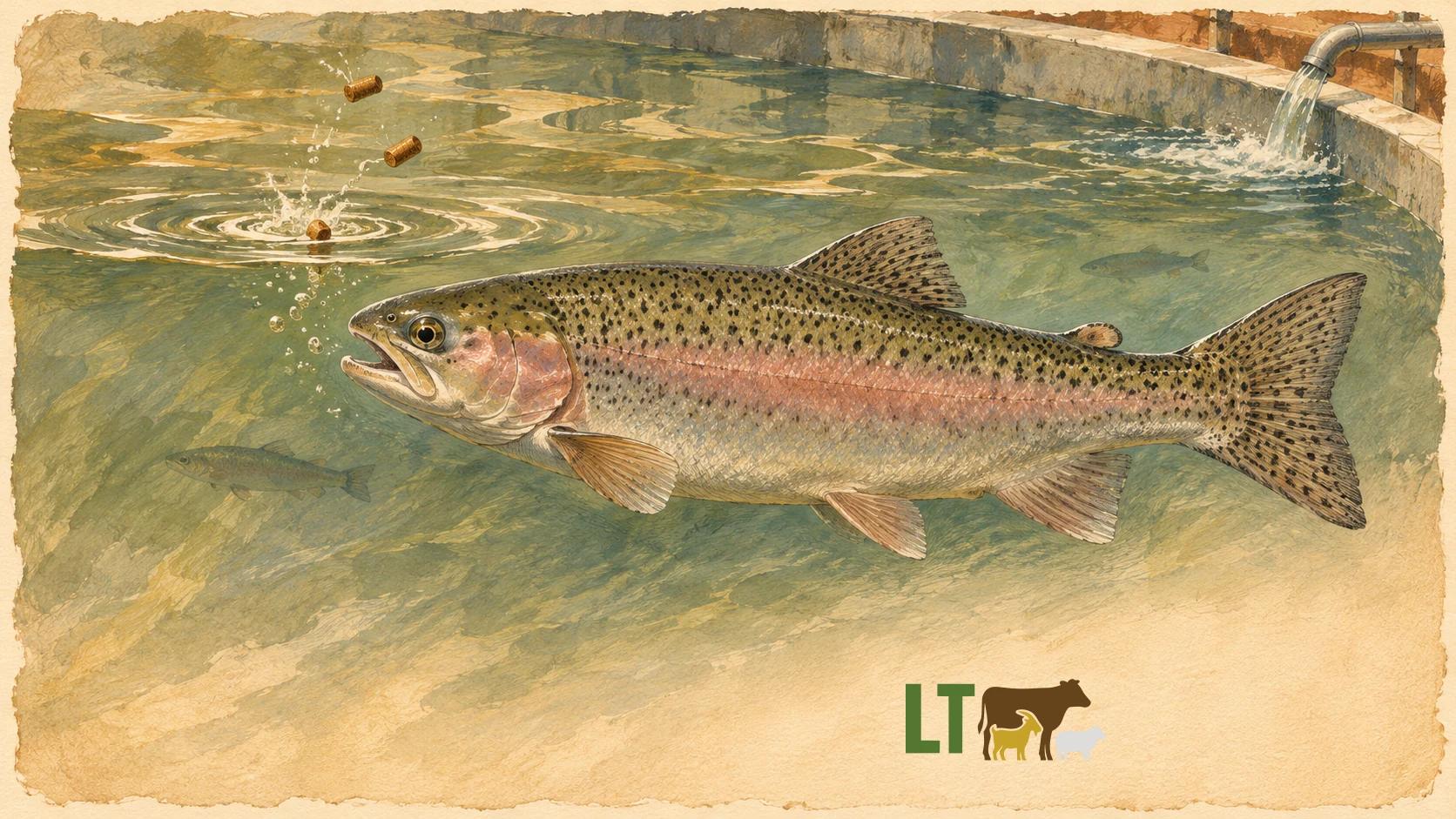
Growth tells only part of the story in rainbow trout feed trials. A U.S. study shows why gut tissue and trout strain deserve a look, too.
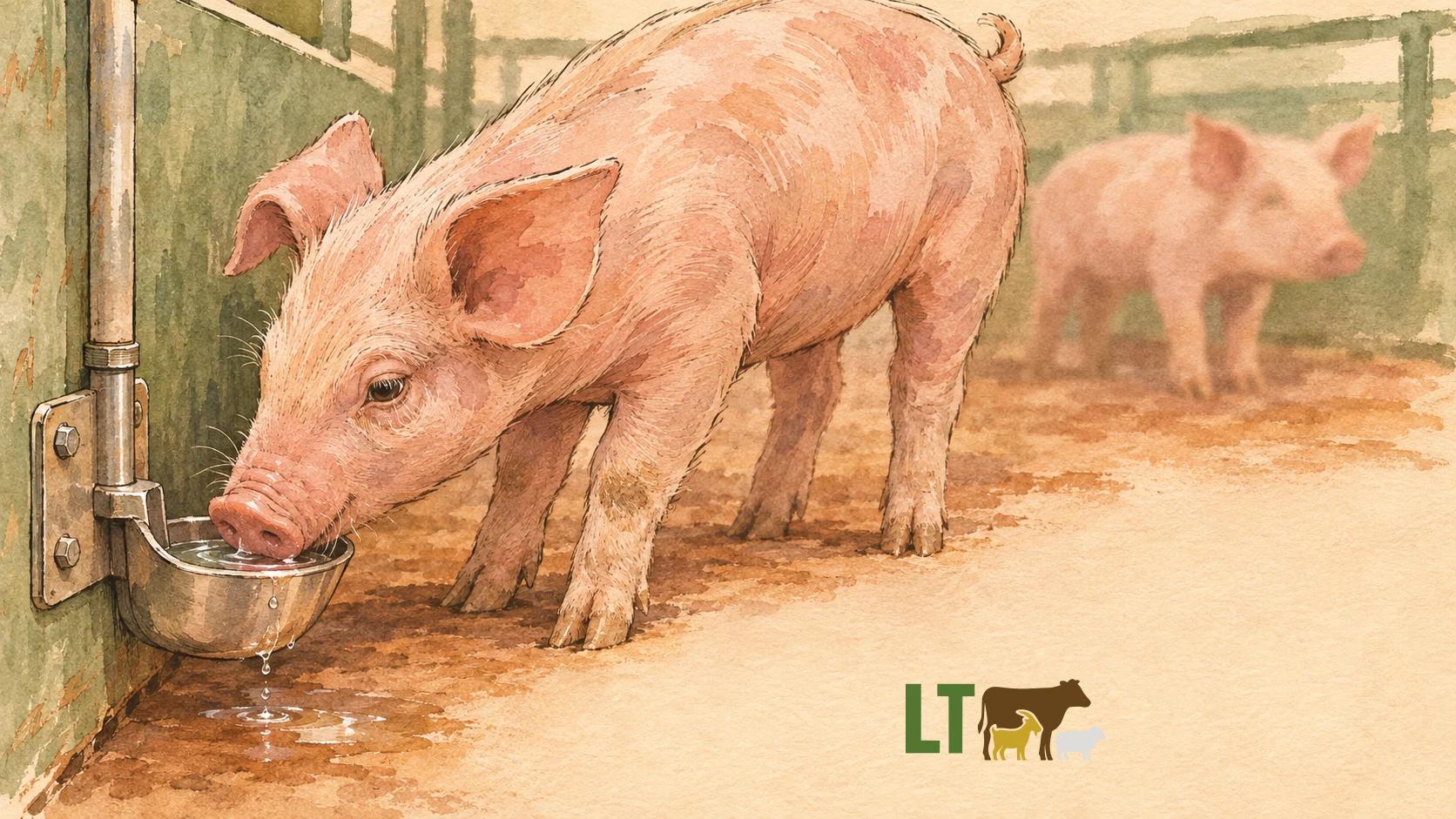
A lower swine barn water meter reading may mean less spillage or less water reaching pigs. Here’s how to tell what changed after a drinker swap.
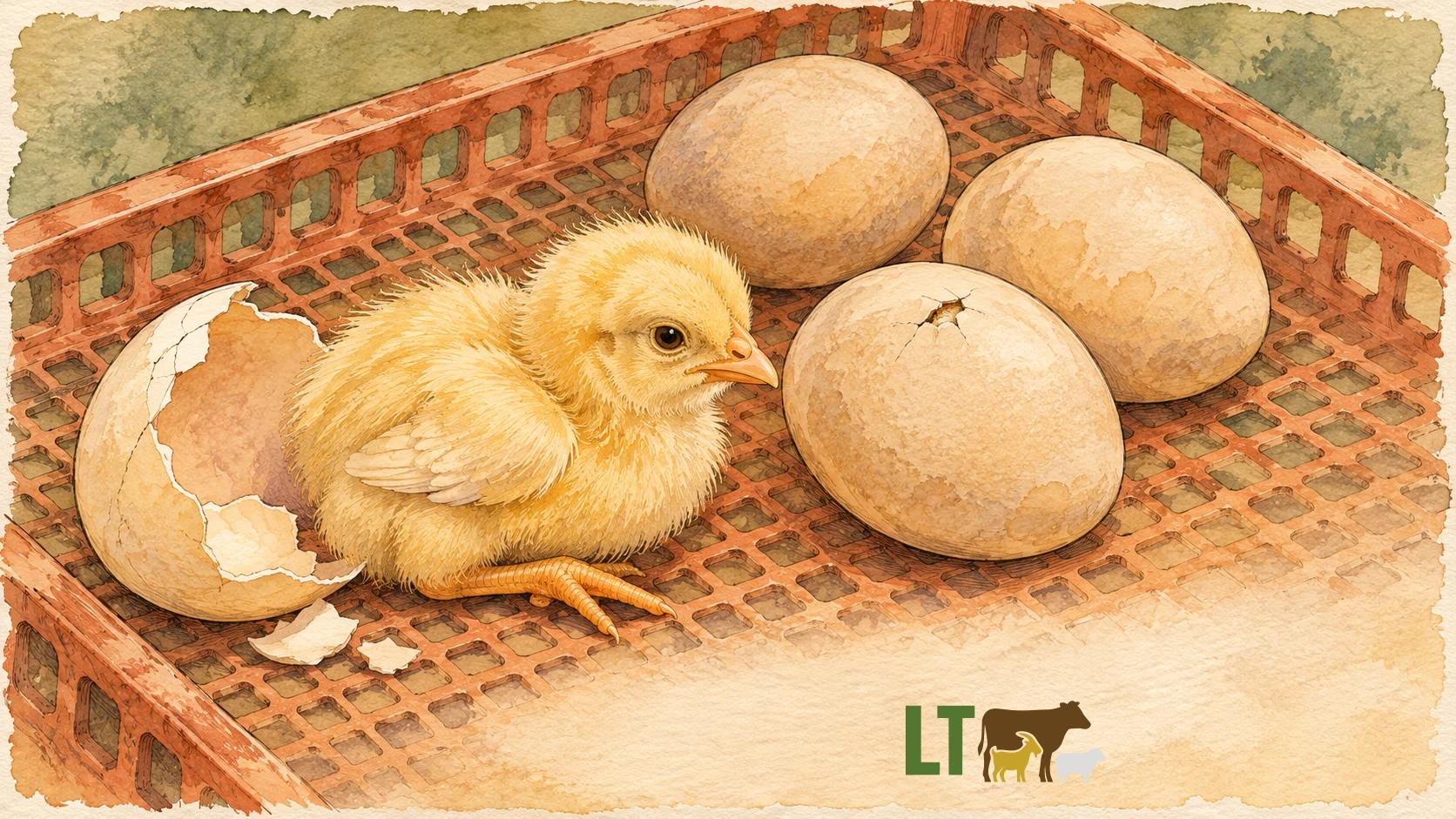
An earlier hatch does not always mean chicks hatch closer together. Learn what to measure when comparing incubation and chick age at placement.
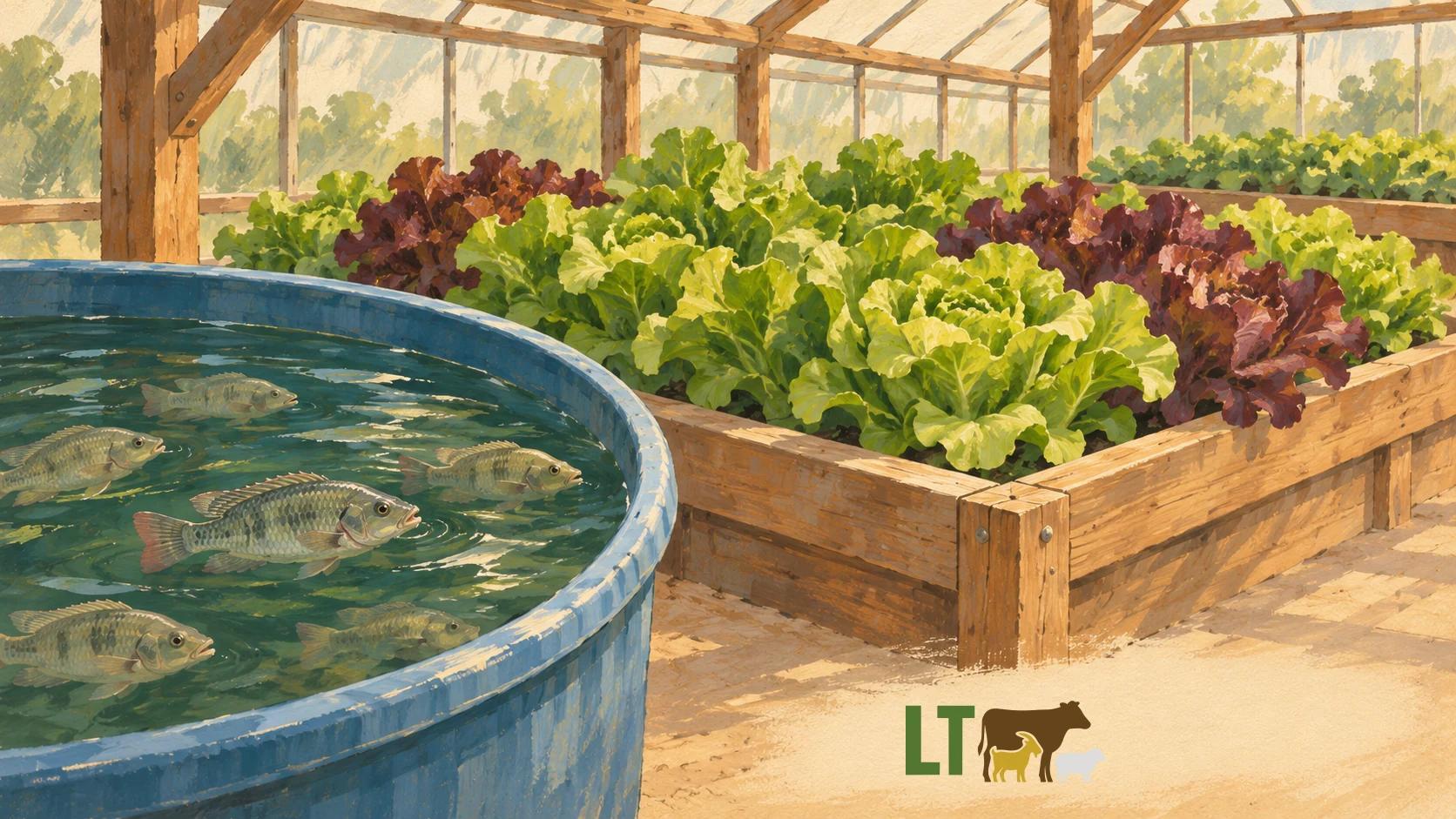
Cornell’s working fish-and-lettuce facility shows how aquaponics gives university teams a second way to study nutrients from fish feed.
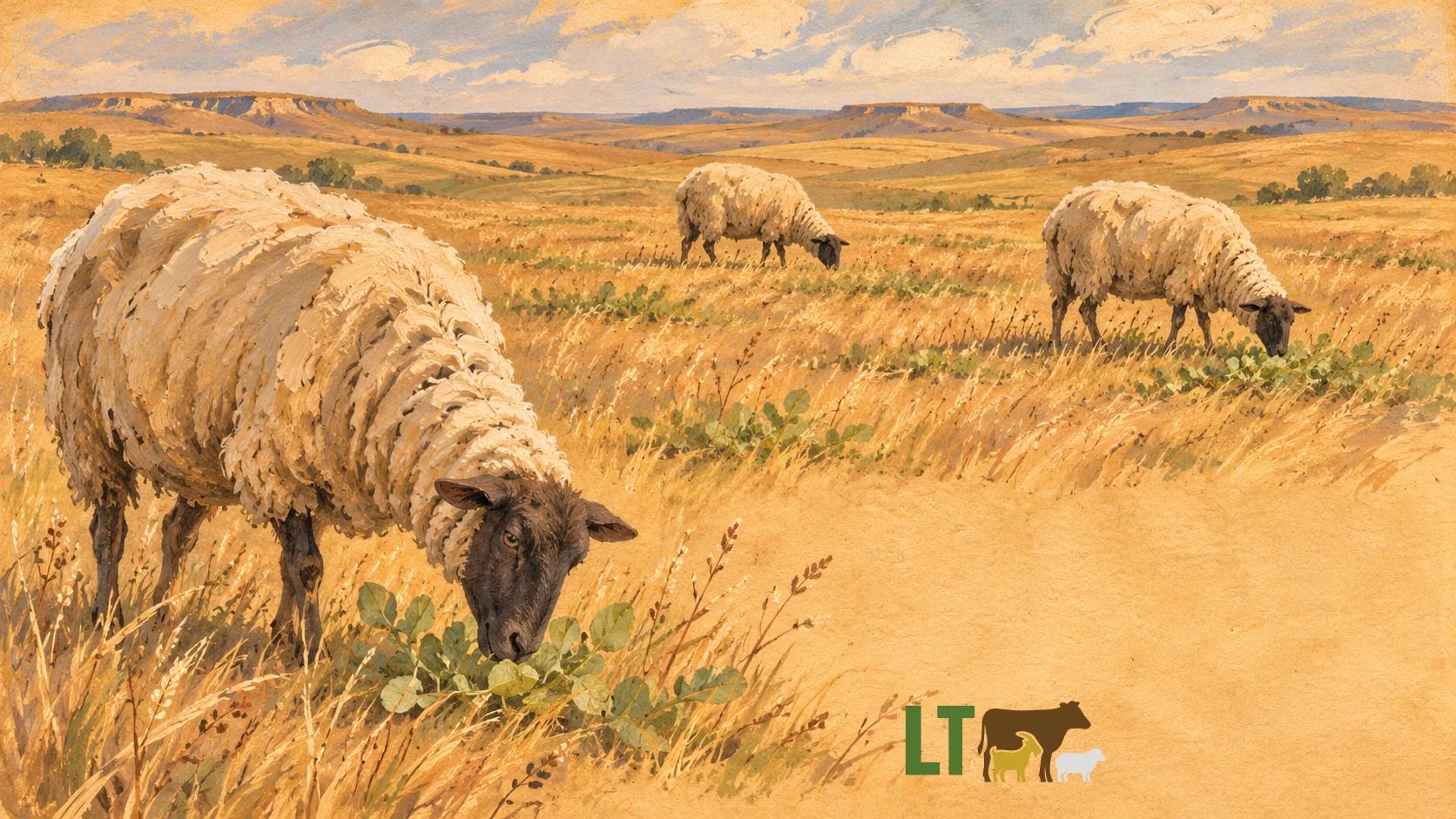
A sheep’s route shows where it went. For grazing research, connect that route with the forage animals can find, choose and eat.
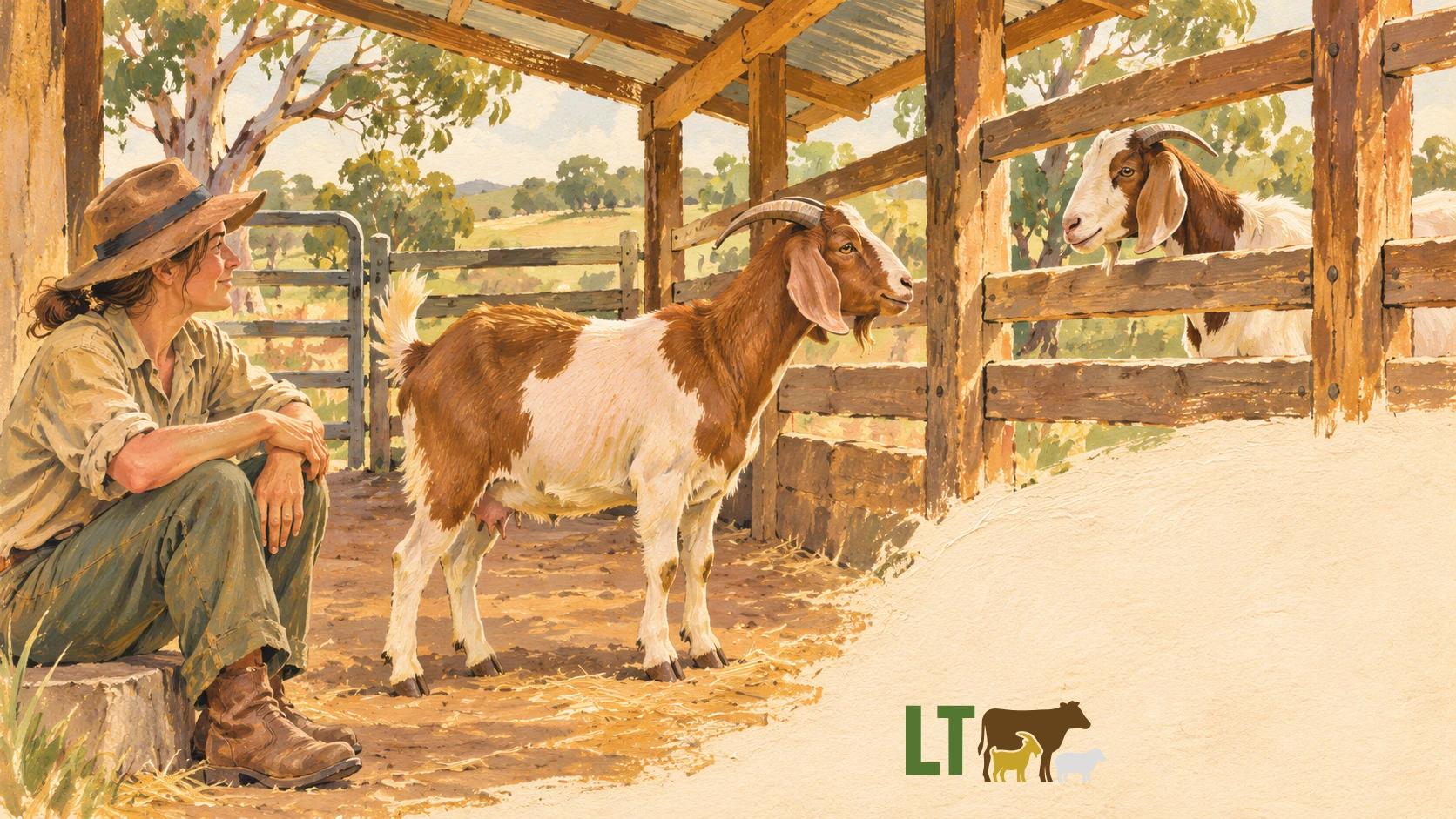
A person or another goat can change behavior during brief separation. Learn what that means for university goat research and observation.
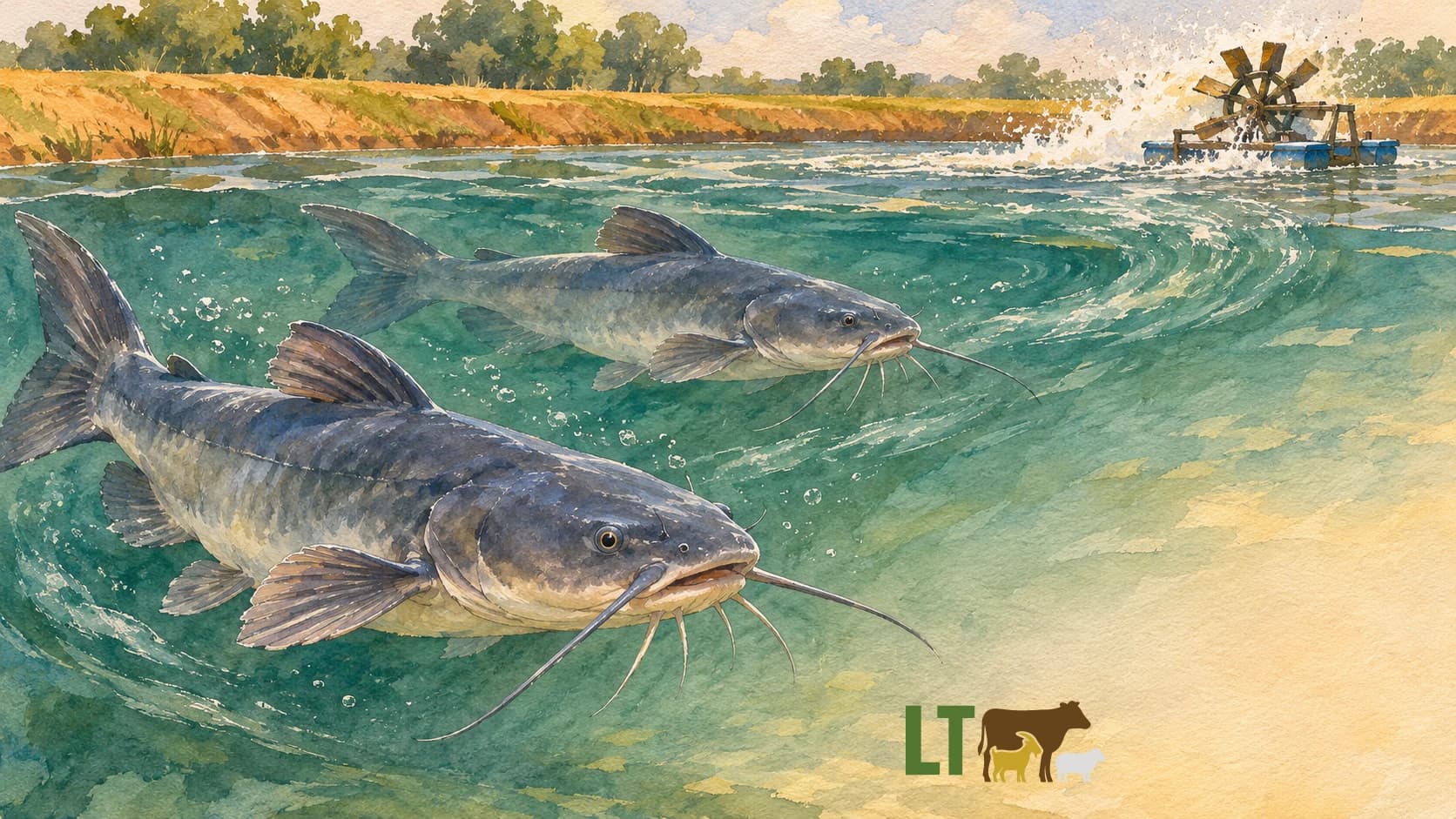
Faster water turnover did not clearly improve a recent catfish trial. Learn why university pond studies should compare flow with fish and feeding load.
Fewer eggs in one floor area may hide a shift elsewhere. Learn how hen-house observation can help egg producers understand nest use.