Research & PLF
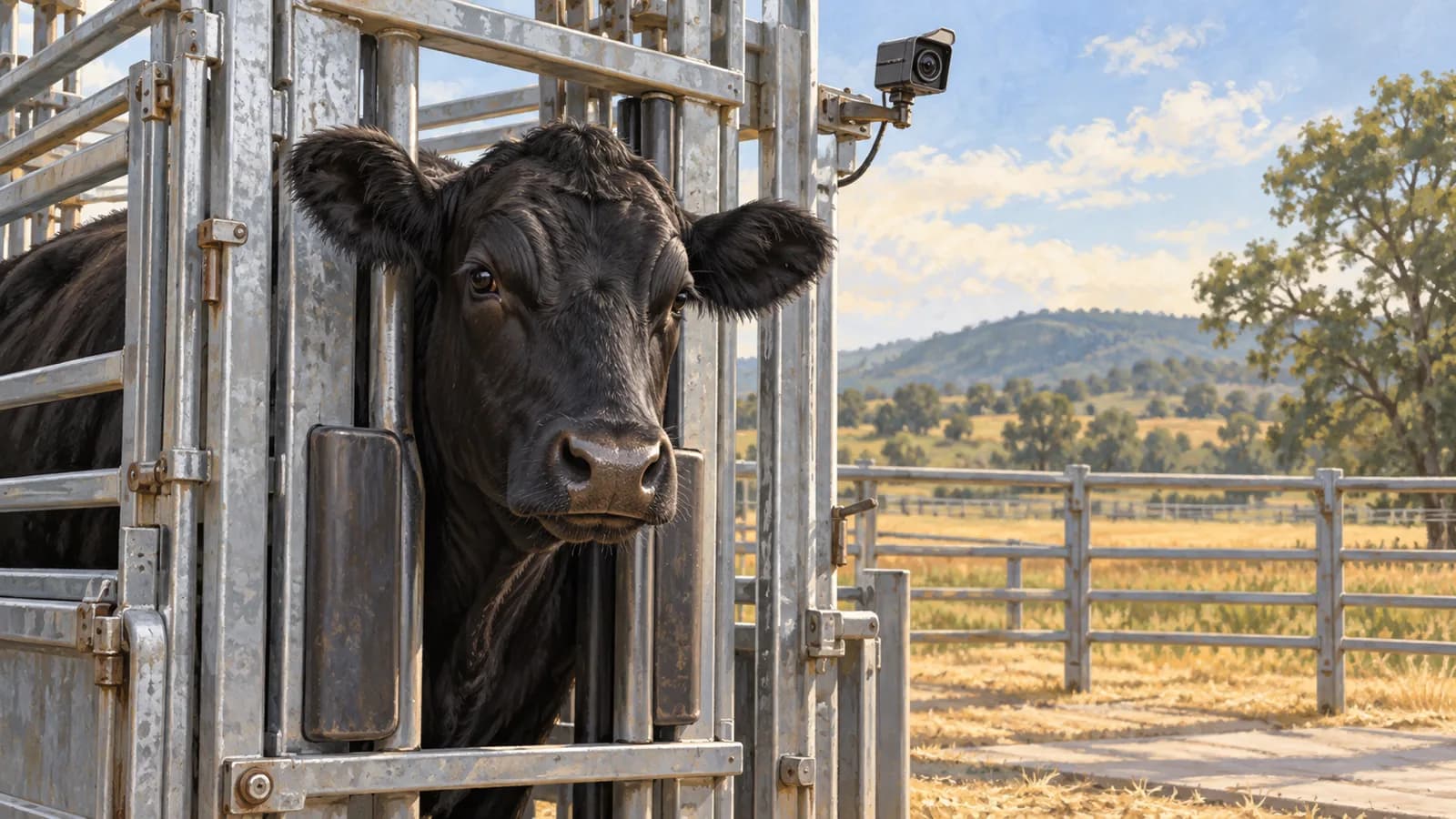
Cattle Nose ID for Research Across Repeated Visits
How chute-based muzzle images and official IDs can help a cattle research team connect repeated observations to the right animal.
From the yard and the lab
Clear answers about cattle monitoring, feedlot operations, and livestock research.
37–45 of 102 articles
How chute-based muzzle images and official IDs can help a cattle research team connect repeated observations to the right animal.
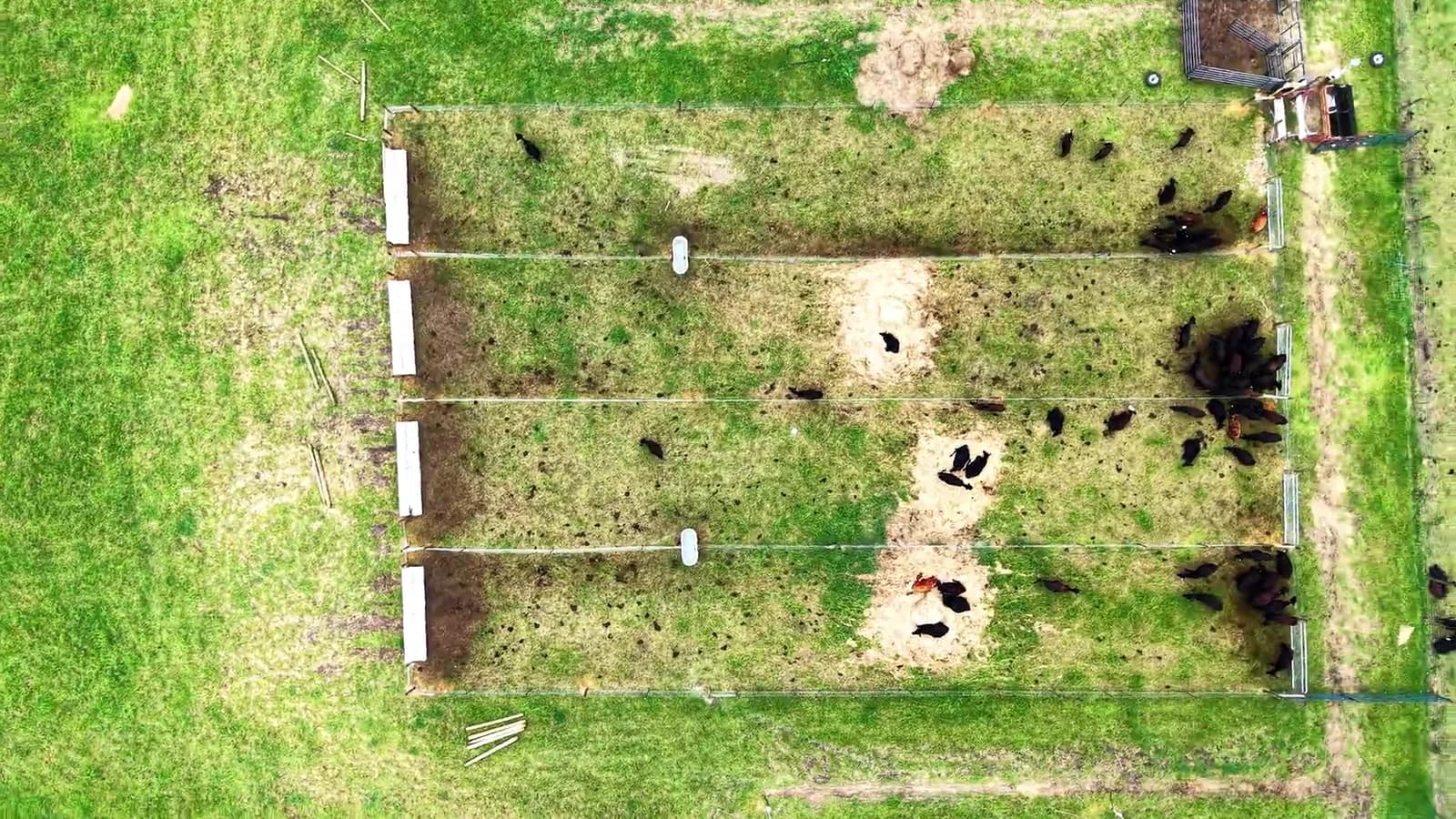
See how a university can scope an installed cattle observation platform for a first study while planning for future research questions.
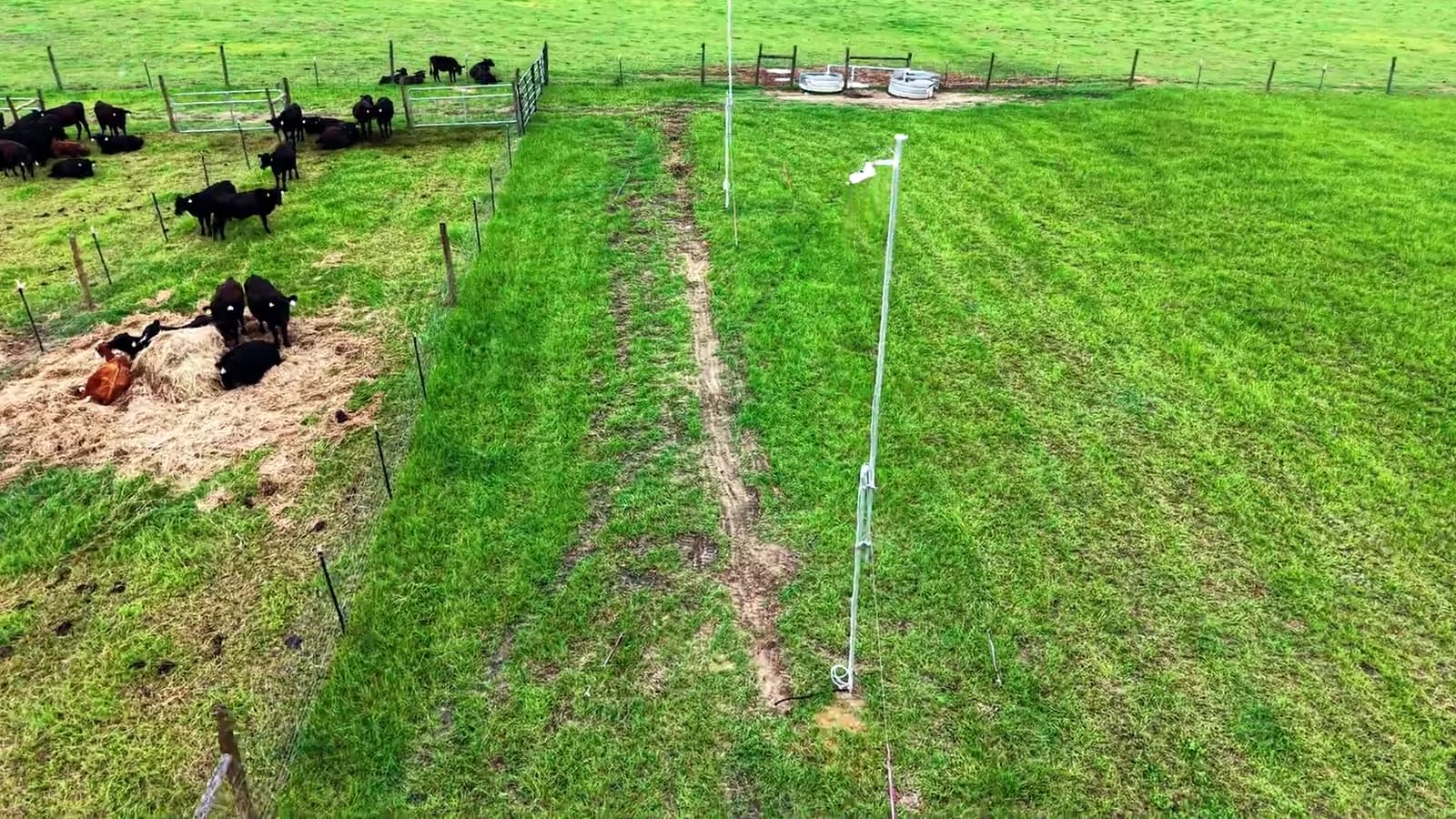
See real RGB and thermal cattle views from Tuskegee and learn how a university can turn continuous field observation into a focused study.
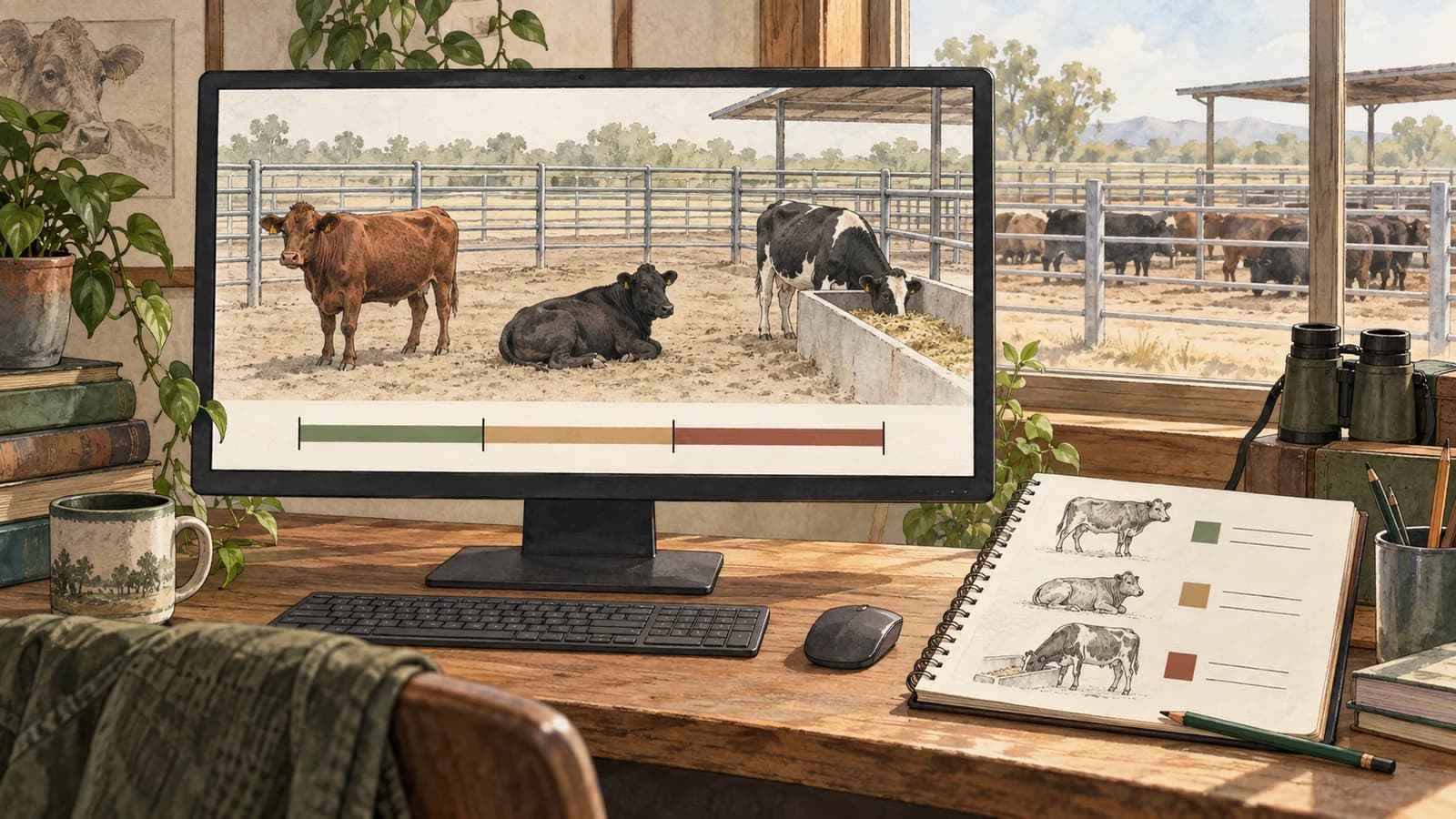
See how continuous cattle video, clear behavior labels, and linked footage help research teams study activity across the day.
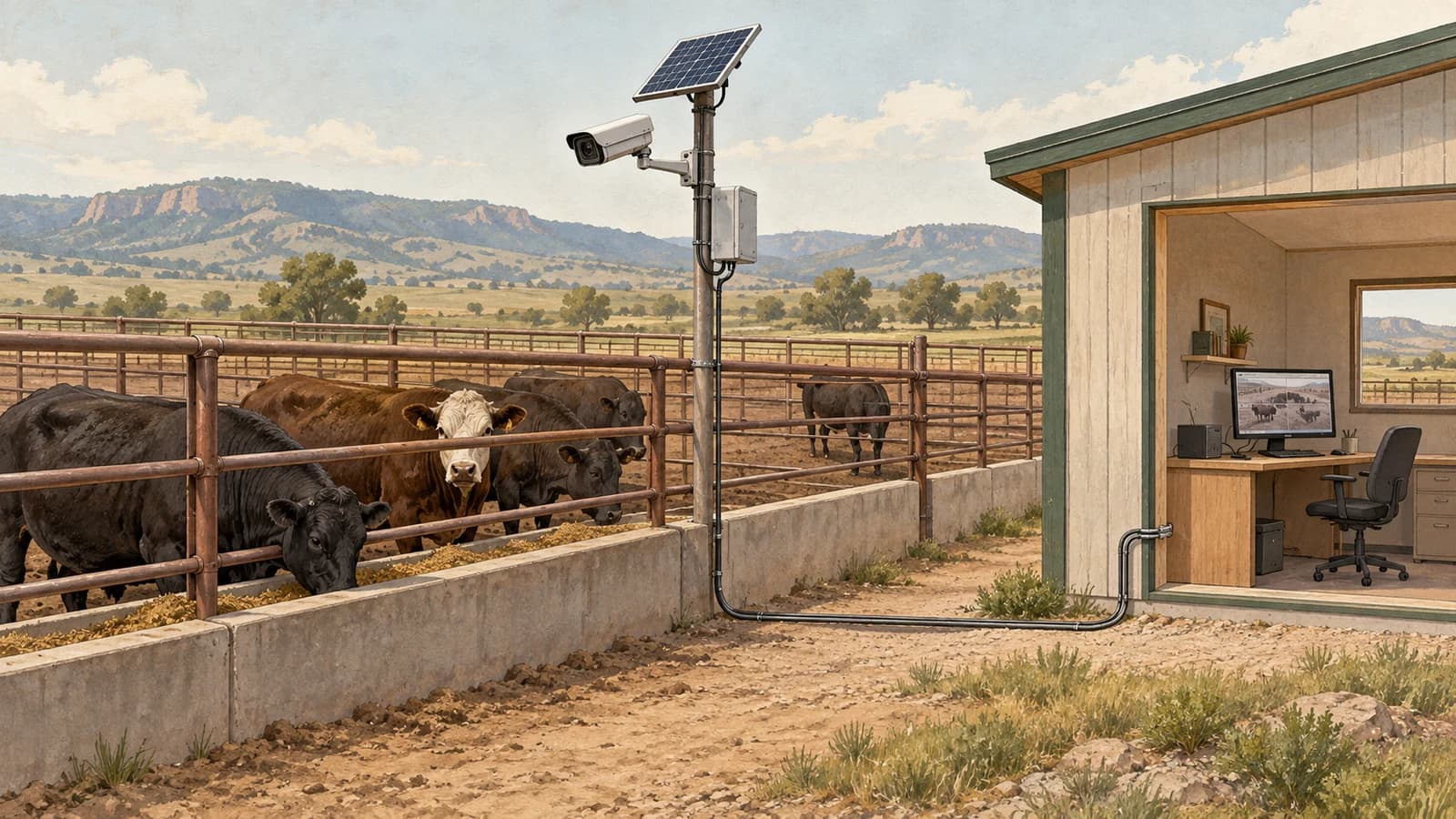
Understand feedlot camera system costs: coverage, power, installation, software, storage, and support. Compare the full scope before you buy.
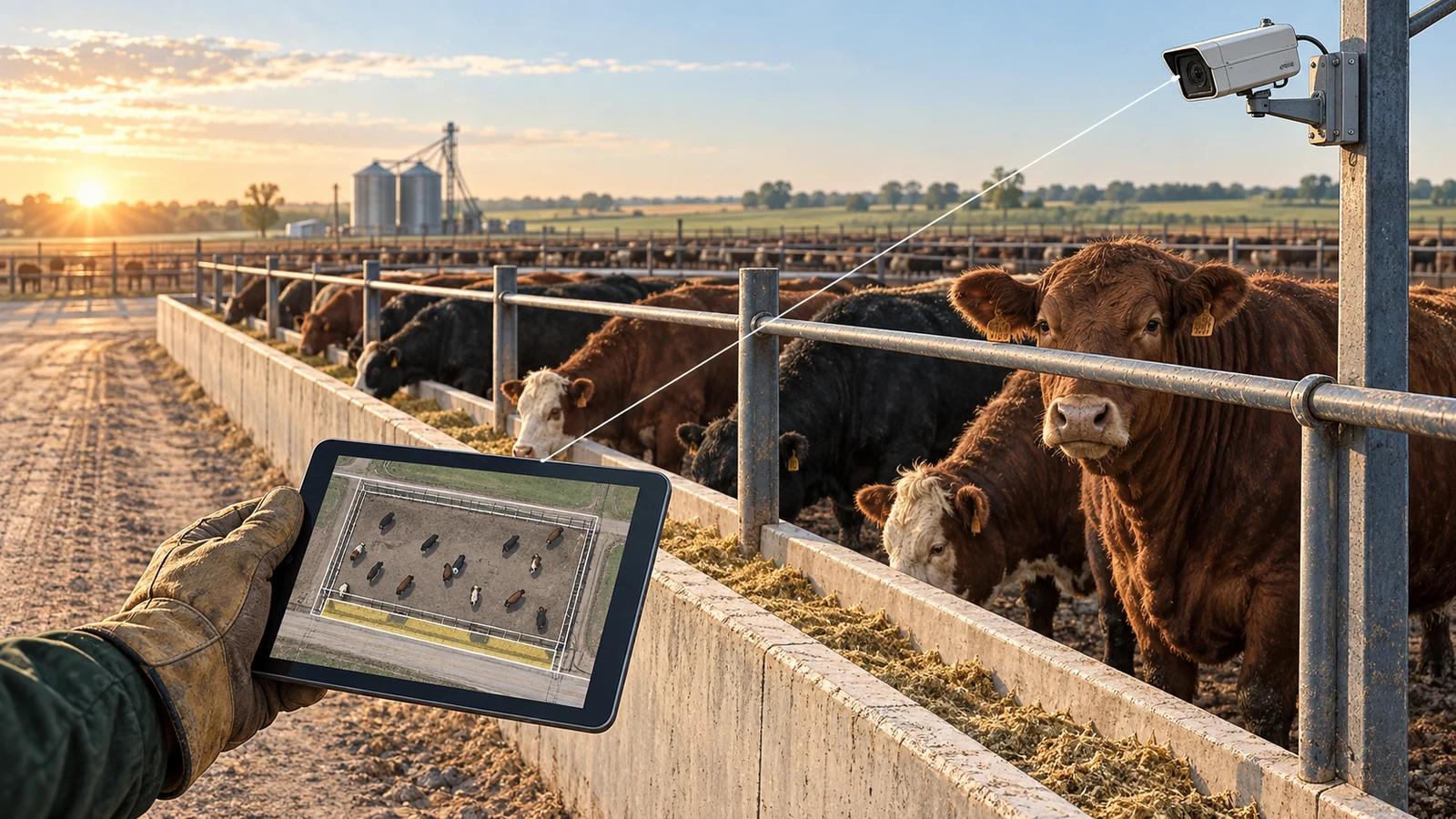
See what cattle monitoring adds to security video: bunk and water activity, useful review tools, and a practical way to assess cameras you already own.
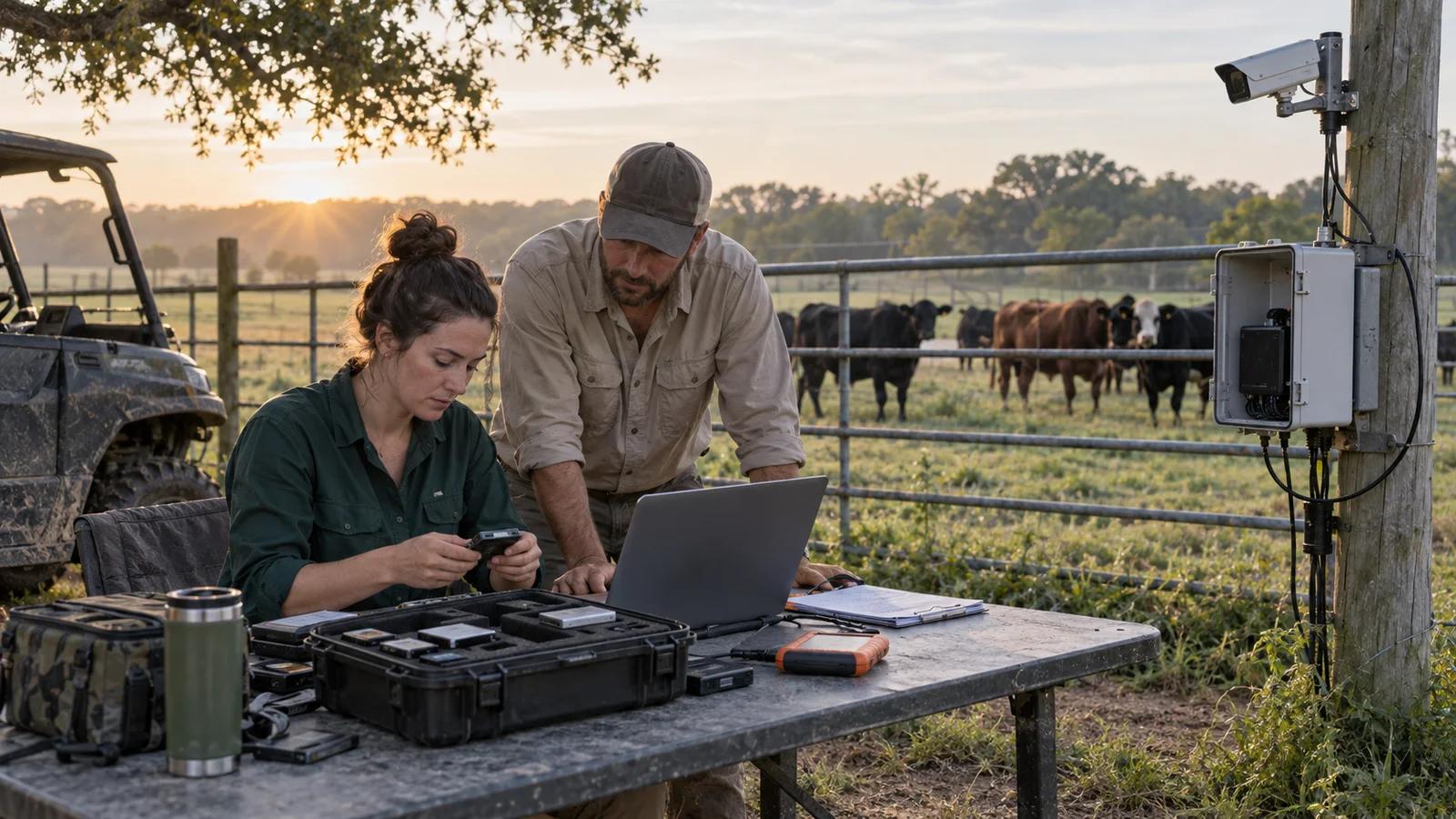
Plan a cattle-camera data export with source files, labels, animal IDs, timestamps, coverage states, versions, and a clear data dictionary.

See actual nighttime cattle footage from Tuskegee and how Livestock Technologies combines RGB, thermal cameras, and local recording.
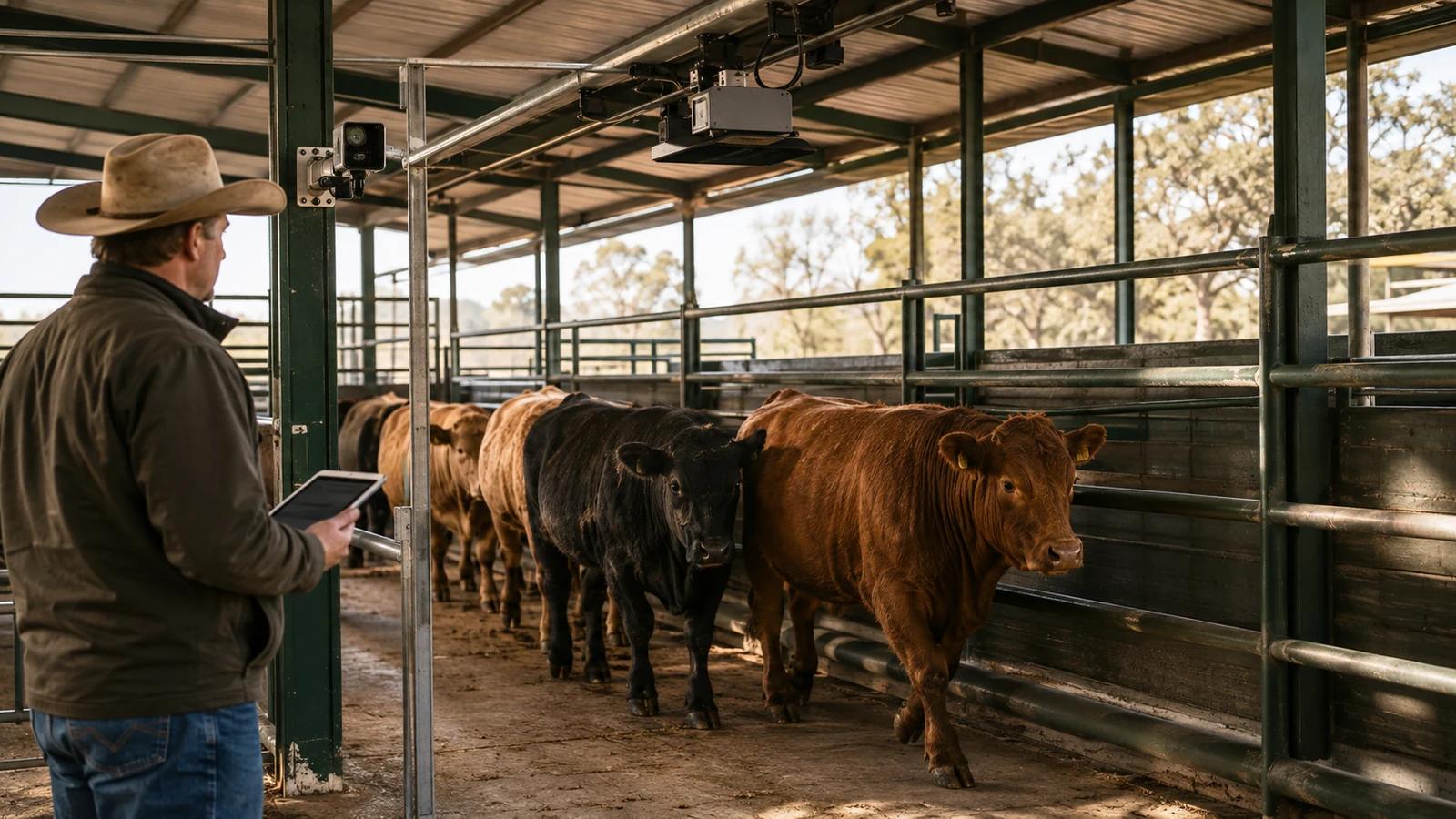
Learn how USDA's AI Feeder Cattle project uses LiDAR and machine learning—and how it differs from cattle ID, health, and feedlot camera systems.