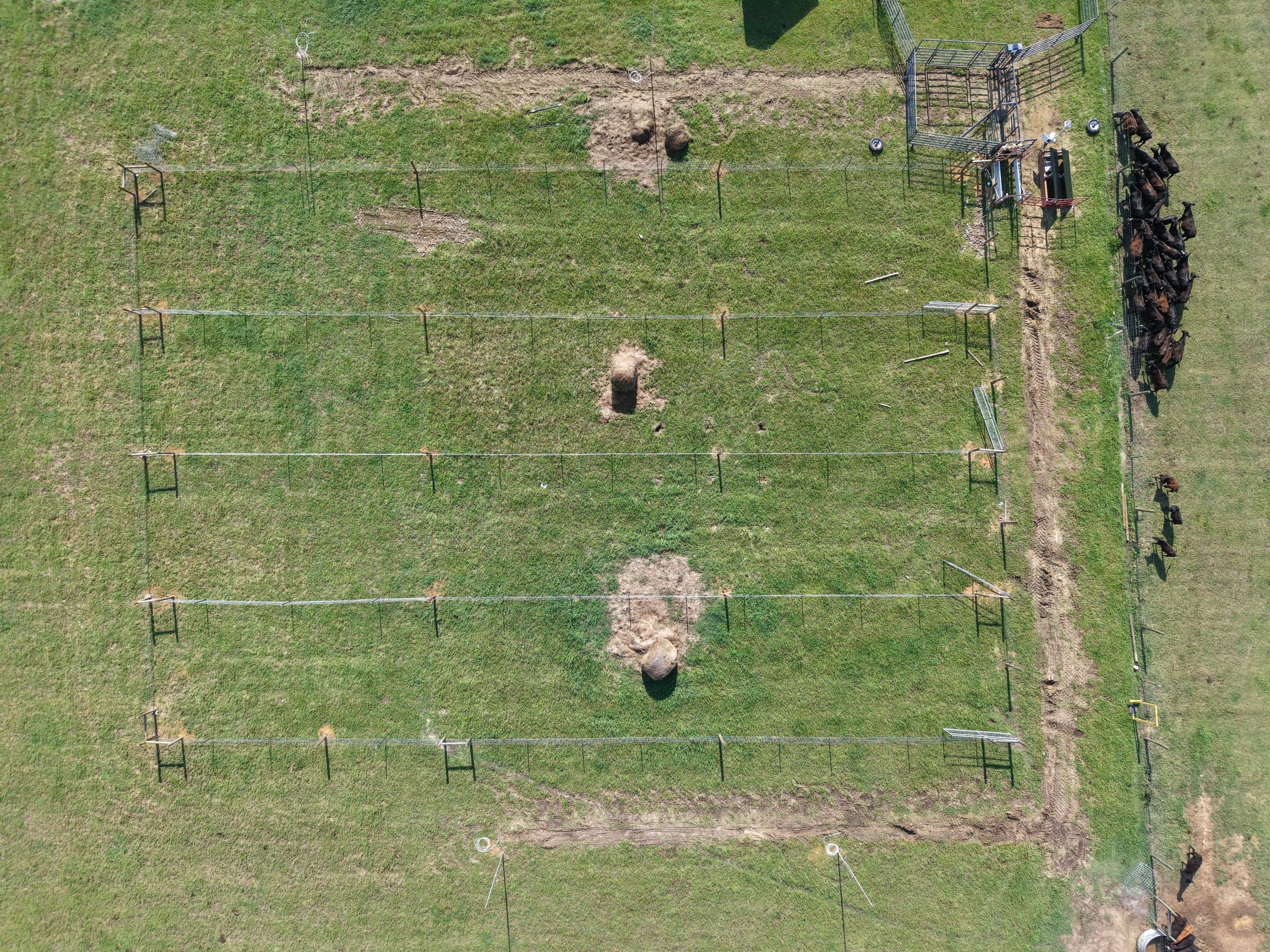
Cattle inventory. Research data.
Know What Is in Every Pen.
Camera-based counts, movement records, and day-and-night monitoring. See what changed and review the footage that explains it.
Installed at Tuskegee University 60 cattle across four pens
From a camera view to a useful record
Know where to look.
See why it matters.
Your crew does not need another wall of video. It needs the pen, the time, and the evidence behind a change.
Observe the yard
Color and thermal cameras capture pens, bunks, gates, and the chute.
Compare with your records
Software organizes counts and movements, then flags differences for review.
Review the moment
Open the relevant imagery. Your team decides what needs a closer look.
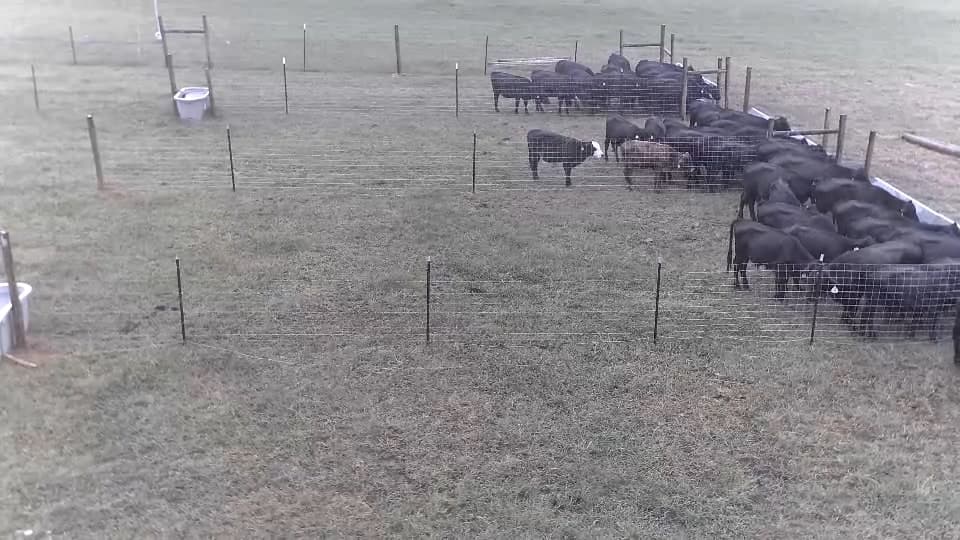
Counts and review rules depend on camera coverage, pen layout, and validation—not a one-size-fits-all camera setup.
See the installation
Field-built, not just a presentation.
Our Tuskegee field report shows the cameras, solar nodes, wireless links, and on-site processing behind the platform.
- 60
- Cattle in the field deployment
- 4
- Pens in the installation
- Day + night
- Color and thermal capture
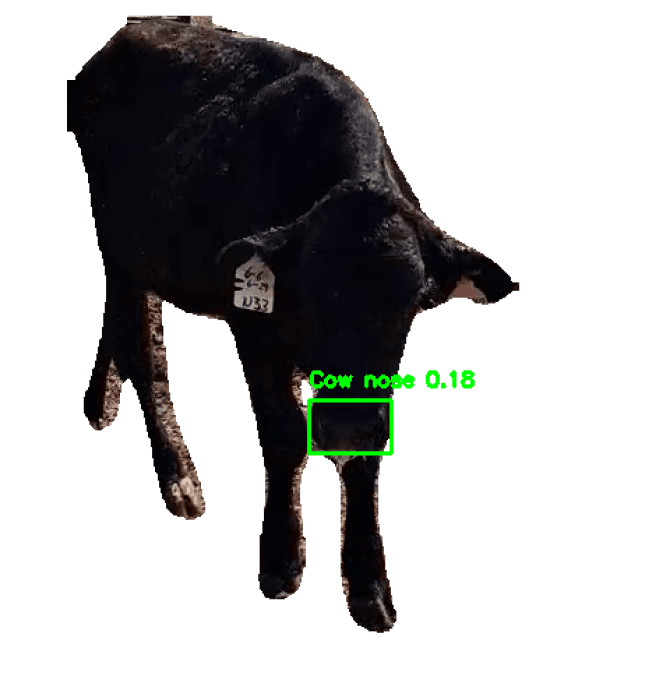
Nose ID Chute
Connect a chute passage to an animal record.
Capture face, muzzle, and ear-tag views in one controlled workflow. Build identity references and evaluate them against known animals.
Explore Nose IDOur north star
Never lose an animal.
Grace, mercy, and stewardship over God's creation guide our work. We build tools that help people see what needs care—and act with better information.
Meet the people and purpose“Be thou diligent to know the state of thy flocks, and look well to thy herds.”
Before you get in touch
Practical questions.
Straight answers.
Can we review the yard at night?
Yes. The Tuskegee installation pairs color and thermal cameras for day and night capture. Camera placement and image quality determine what can be observed at your site.
Does the site need constant internet access?
Core processing and storage run on site. Connectivity, remote access, retention, and backup are planned for each installation rather than assuming every yard has reliable broadband.
Do you identify animals in the pen or at the chute?
The platform provides pen inventory and movement evidence. Nose ID captures face, muzzle, and ear-tag references at the chute. Passive open-pen re-identification is being evaluated.
What would you need to plan our installation?
Start with the problem you want to solve. We can then review your pen or study layout, existing records, camera views, power, and connectivity together. Only your name and email are required to start a conversation.
One useful conversation
What do you need a clearer view of?
Tell us about your yard or your study. We'll work through the fit together.