Reconcile a pen. Review a movement.
Compare the yard record with camera-observed presence, then check time-stamped evidence at covered gates, alleys, and pens.
Inventory and movement workflows · Configured per site
See the feedlot workflowThe technology behind the work
See what is in a pen, review a movement, or preserve an identity reference. Our platform turns color and thermal imagery into evidence your team can use.
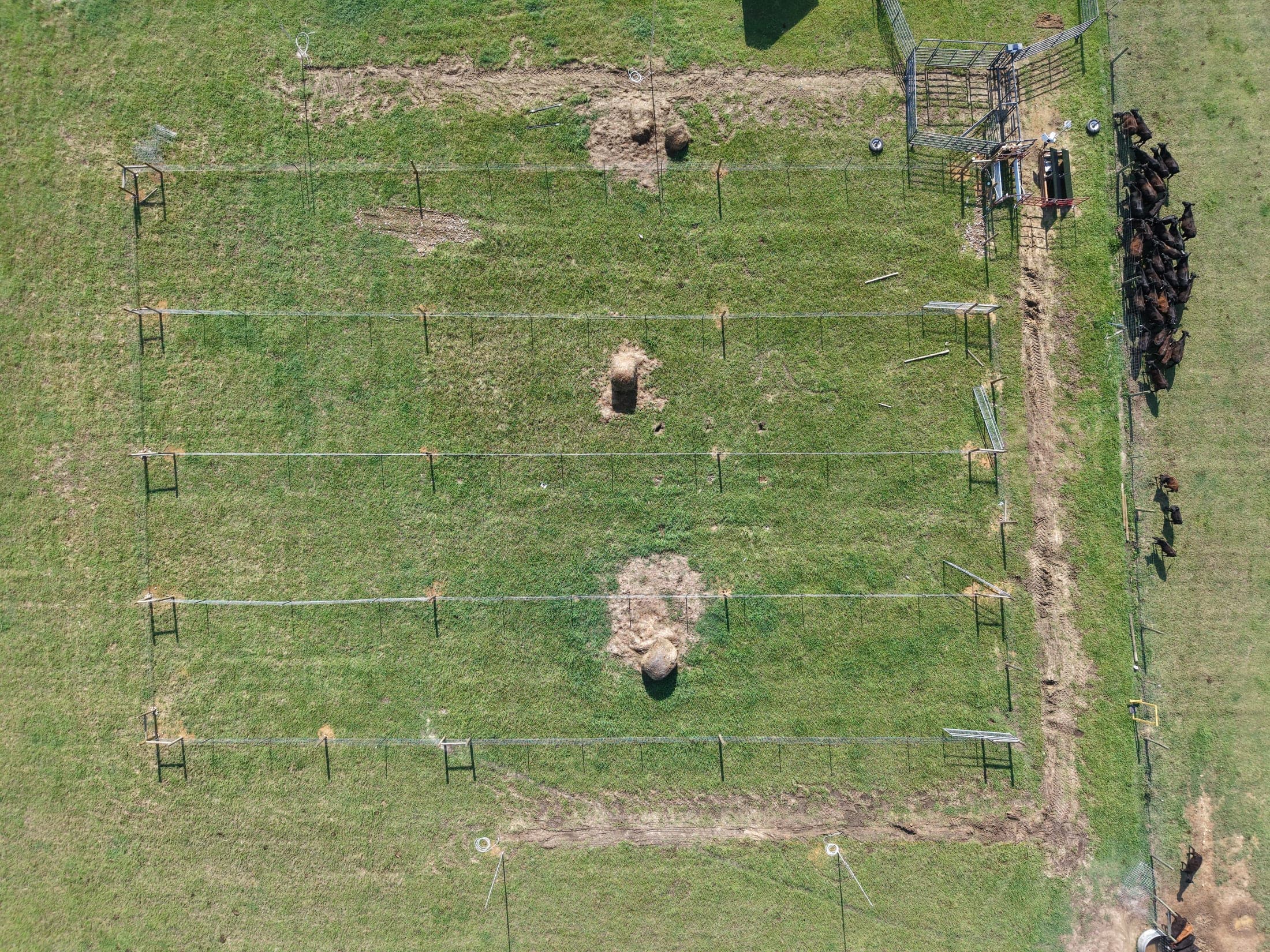
Start with the job
Continuous camera coverage is the foundation. The workflow is built around your facility or study.
Compare the yard record with camera-observed presence, then check time-stamped evidence at covered gates, alleys, and pens.
Inventory and movement workflows · Configured per site
See the feedlot workflowCapture face, muzzle, and visible ear-tag views during processing. Connect those references to known tags and manifests.
Nose ID · Controlled chute workflow
How Nose ID worksSet the zones, time windows, labels, and exports your research needs, with source evidence available for review.
Research data infrastructure · Configured per study
Explore a research partnershipHow the platform works
Camera placement, pixels, geometry, and time turn a field view into a count, movement record, or study measure—with the source evidence attached.
Models, camera geometry, site rules, and validation are configured for your operation or study.
Cameras record what happened, where, and when.
Software organizes counts, presence, movement, and thermal observations.
Site rules highlight a count mismatch, movement event, or identity to review.
Your team checks the image or clip and decides what to do next.
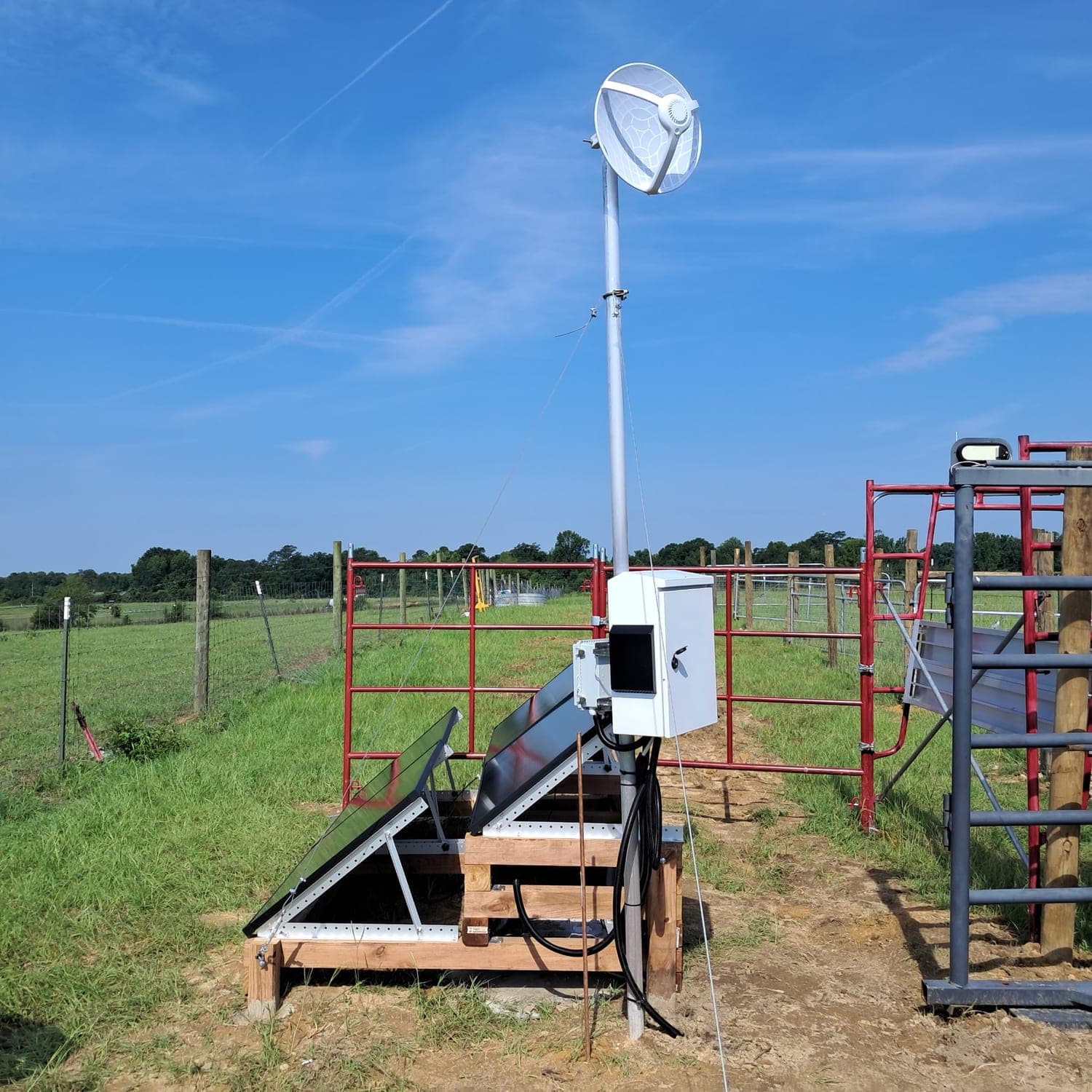
Field-built infrastructure
Dust, night coverage, sightlines, power, and handling flow all affect what a camera can see. We plan around the yard—not the other way around.
Nose ID Chute
Build an identity reference while cattle are already being processed. Face, muzzle, and visible-tag imagery stays connected to known tags and manifests.
Record face, muzzle, and ear-tag views at the chute.
Segmentation organizes the muzzle region from the chute imagery.
Matching performance is evaluated by protocol.
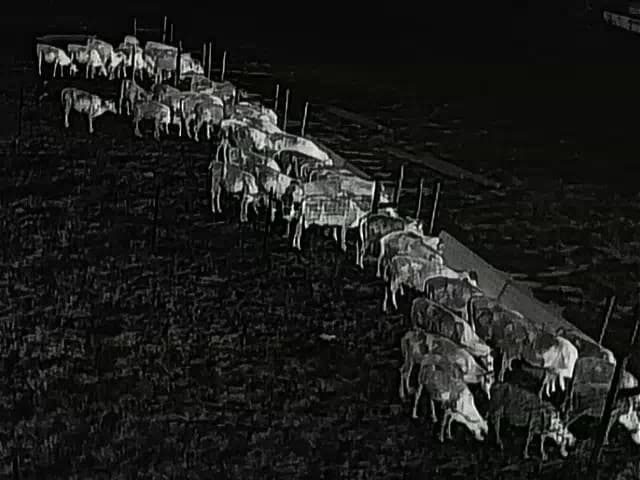
The screwworm and wound-review study pairs RGB imagery of visible wound-like regions with thermal surface-temperature patterns. Veterinary diagnosis and response remain with animal-health professionals.
Review the RGB + thermal approachField-deployed foundation. Camera, connectivity, and evidence-capture infrastructure operates in the Tuskegee research environment.
Site-specific workflows. Inventory, movement, and zone monitoring are configured around camera coverage and agreed success criteria.
Active R&D. Radar research and RGB + thermal studies can be scoped with field infrastructure and research partners.
Bring a pen-count question, a chute workflow, or a research plan. We'll talk through the right setup.
Proverbs 27:23–24 calls for diligent attention to flocks and herds. That stewardship guides our work: useful observations, reviewable evidence, and people in control. Our mission and values