Research & PLF
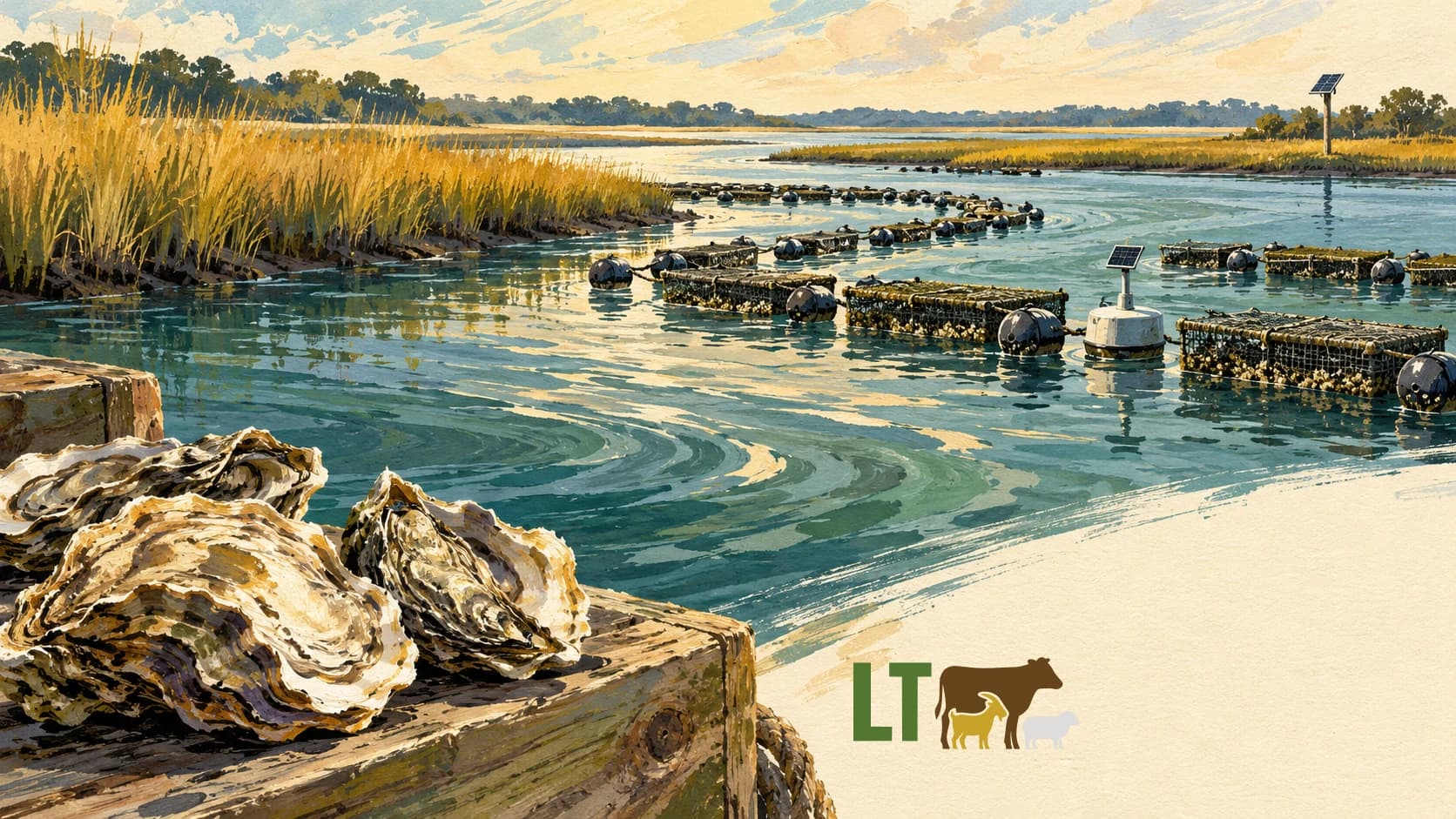
An Oyster Farm’s Lesson in Off-Grid Monitoring
A North Carolina oyster-farm project joins water sensors, current-powered charging and a radio relay. See what it teaches about off-grid research.
From the yard and the lab
Clear answers about cattle monitoring, feedlot operations, and livestock research.
19–27 of 102 articles
A North Carolina oyster-farm project joins water sensors, current-powered charging and a radio relay. See what it teaches about off-grid research.
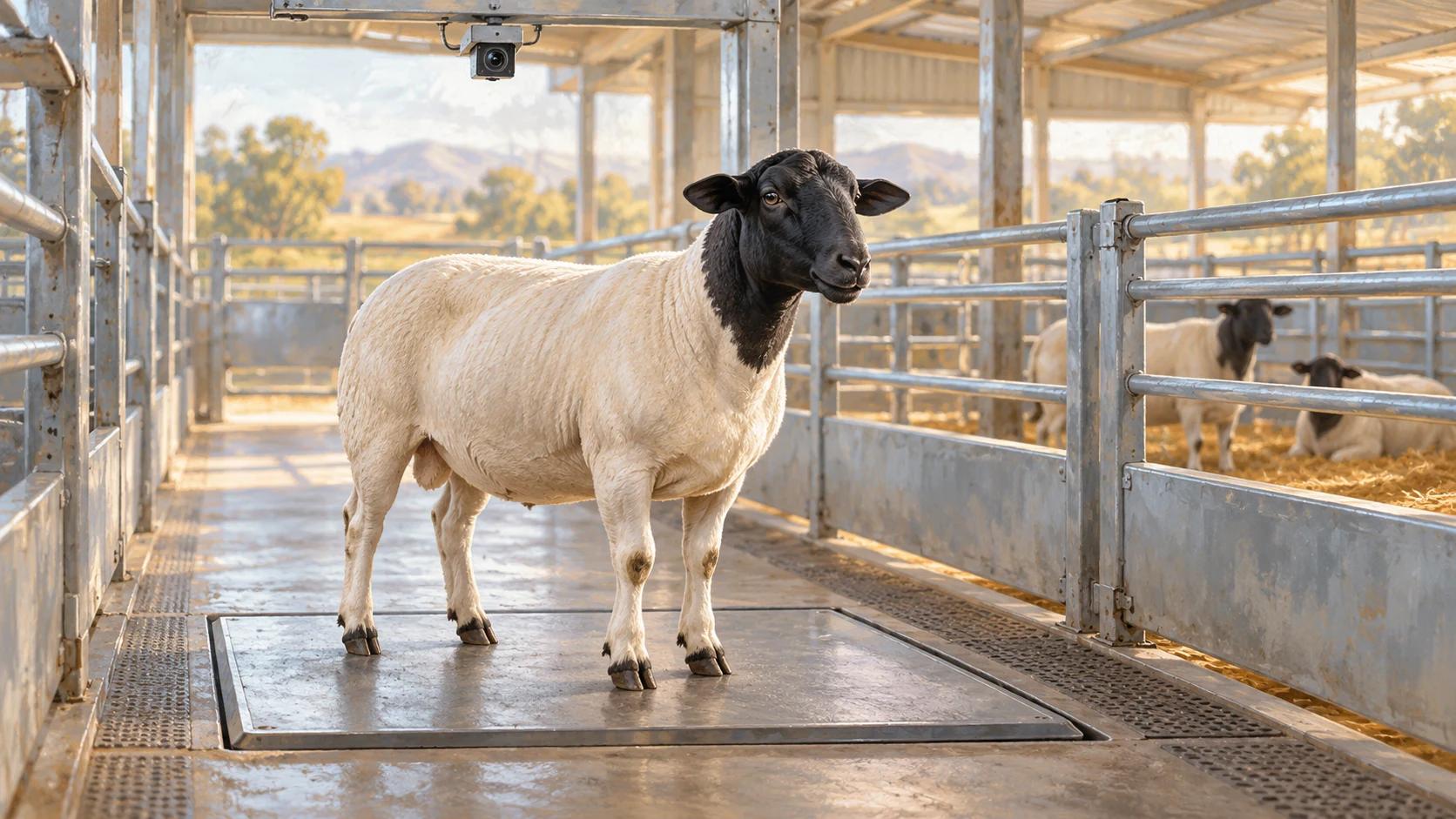
Do sheep images add predictive value beyond starting scale weight? Compare future-weight forecasts with a simple baseline before scoping new equipment.
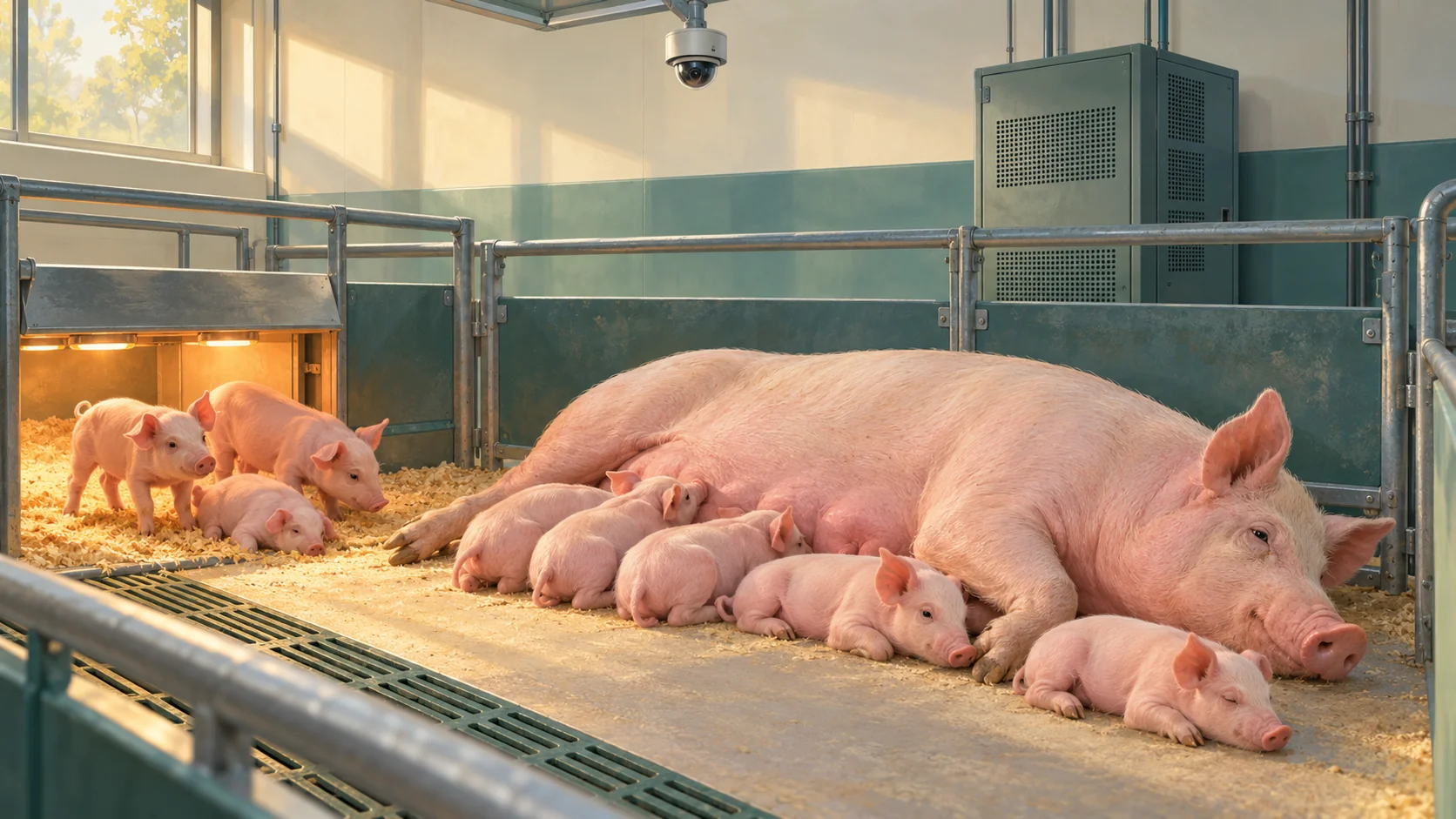
Size a swine camera workload from analyzed frames, queue growth and result age. Use a U.S. sow study to plan a realistic university GPU benchmark.
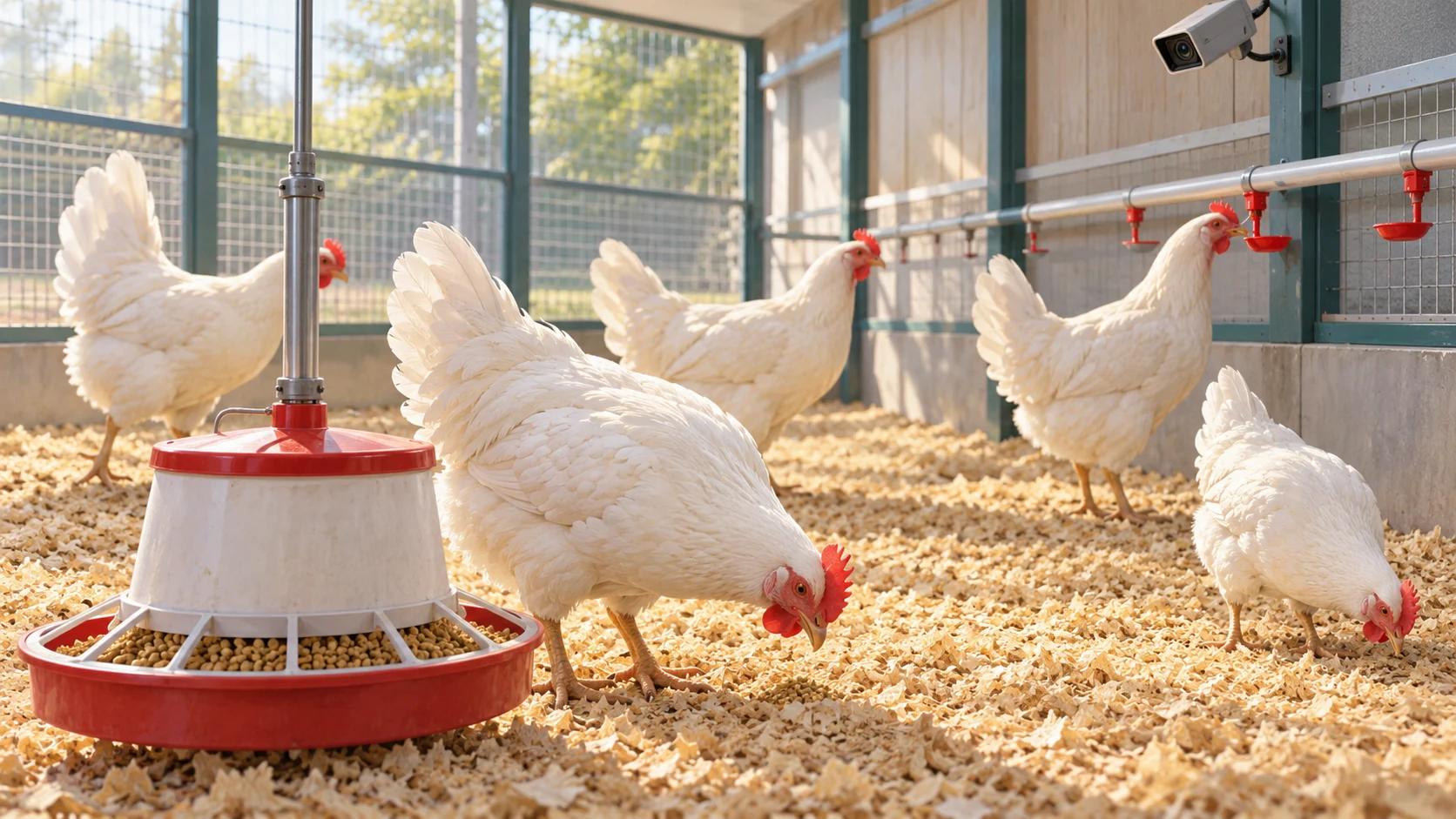
A new UGA poultry study shows why detecting feeding and drinking is one step toward a useful respiratory warning. See what a research trial should measure.
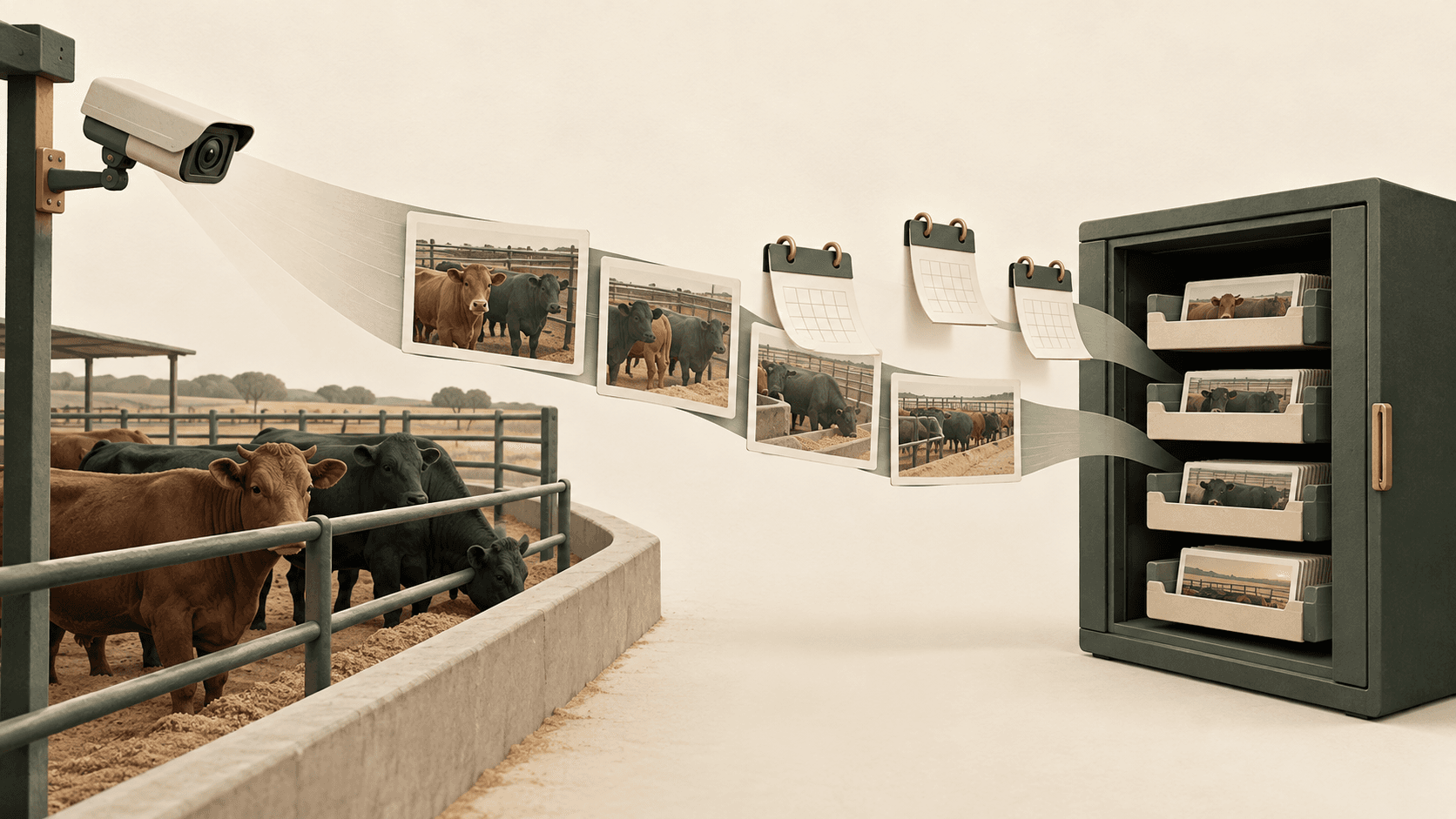
Work out camera-video capacity from recorded bitrate, stream count and retention days, with a four-stream example and the questions that turn raw disk space into a useful feedlot archive.
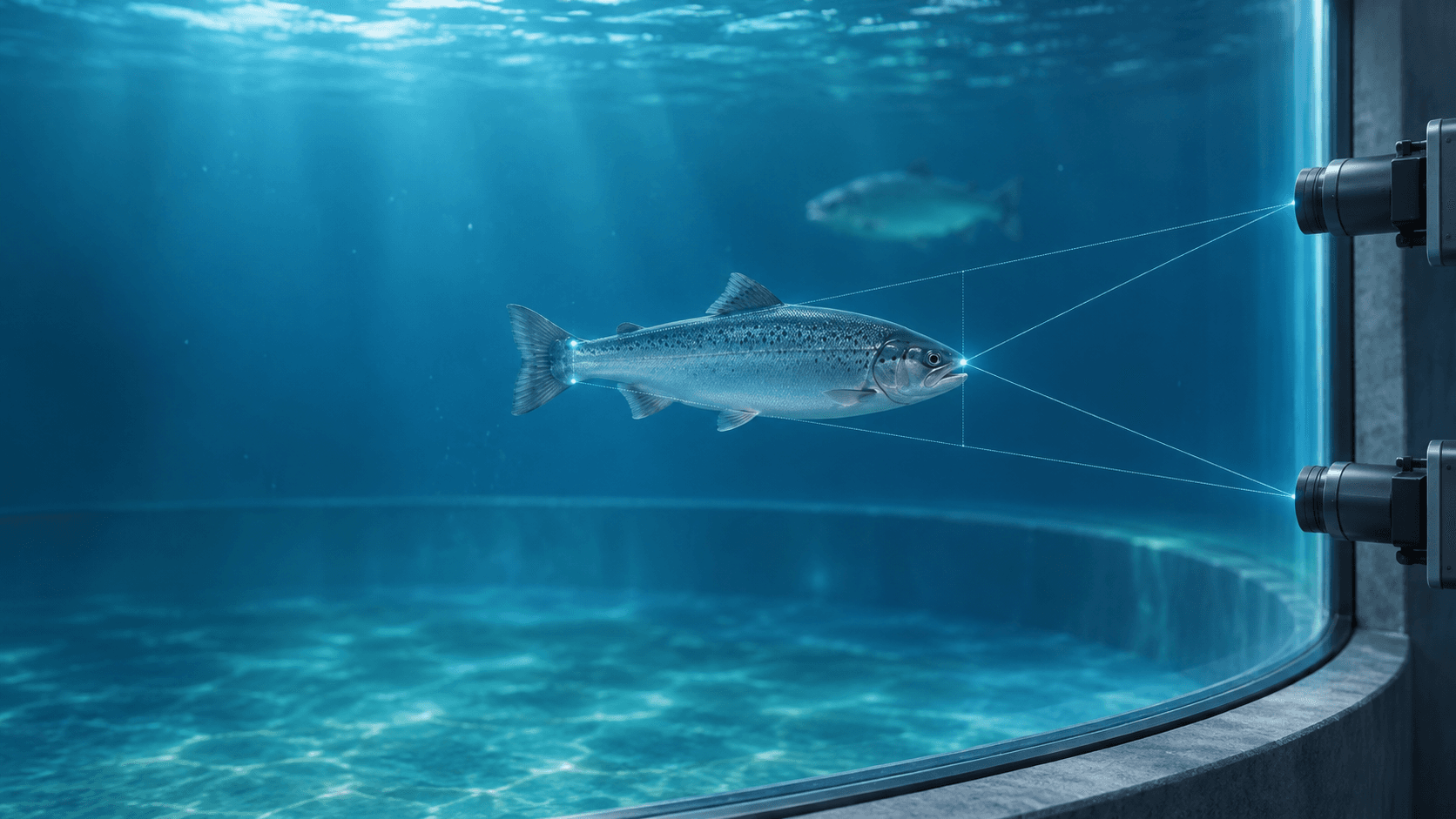
A 2026 aquaculture study used paired underwater views, fish landmarks, and reference measurements to estimate length. Here is what researchers should check before treating video as a measurement.
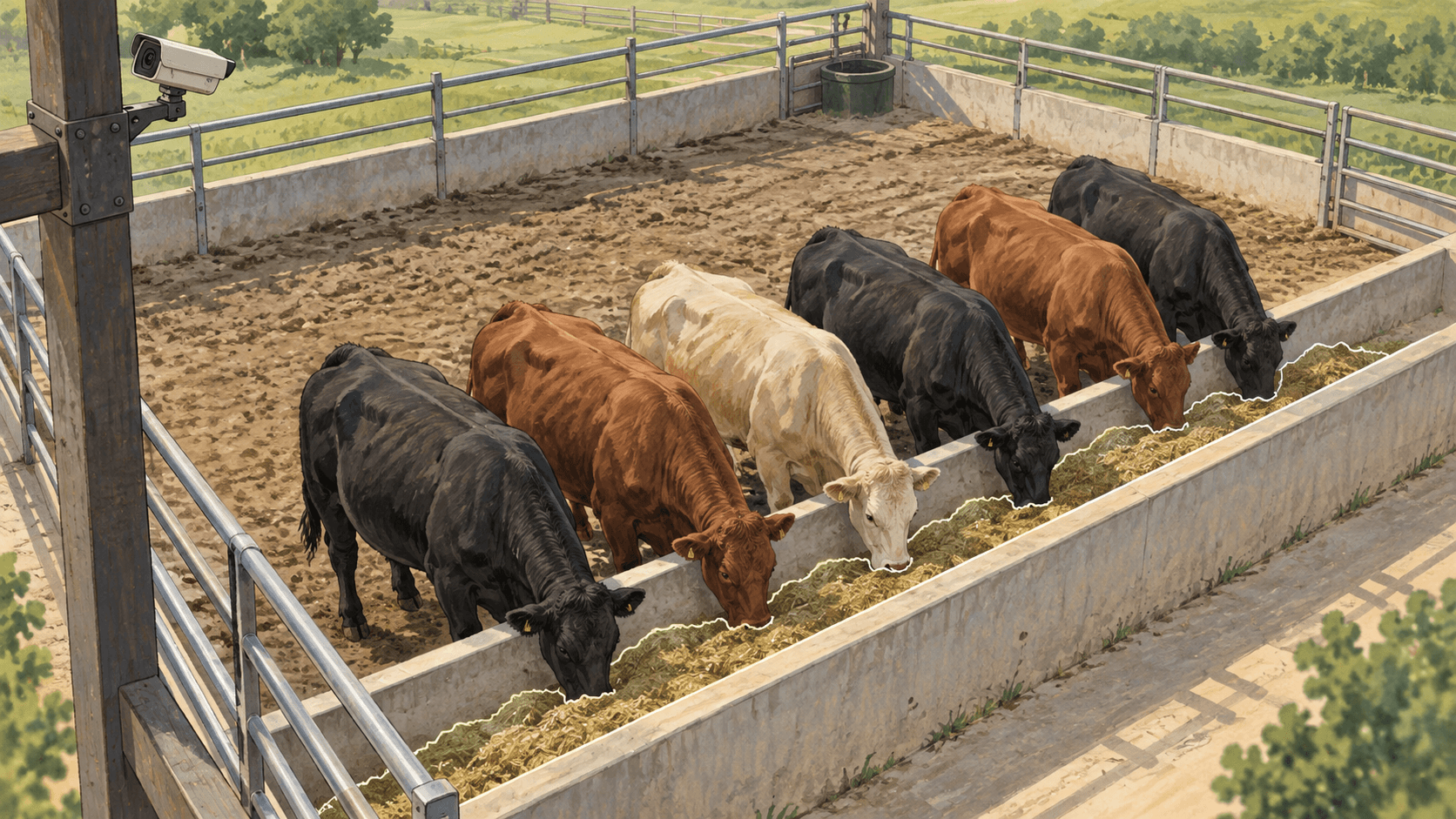
A Journal of Animal Science case trained a six-grade bunk model with 183 labeled images, then checked it on a separate 7,905-image set. Here is what the result means for a research plan.
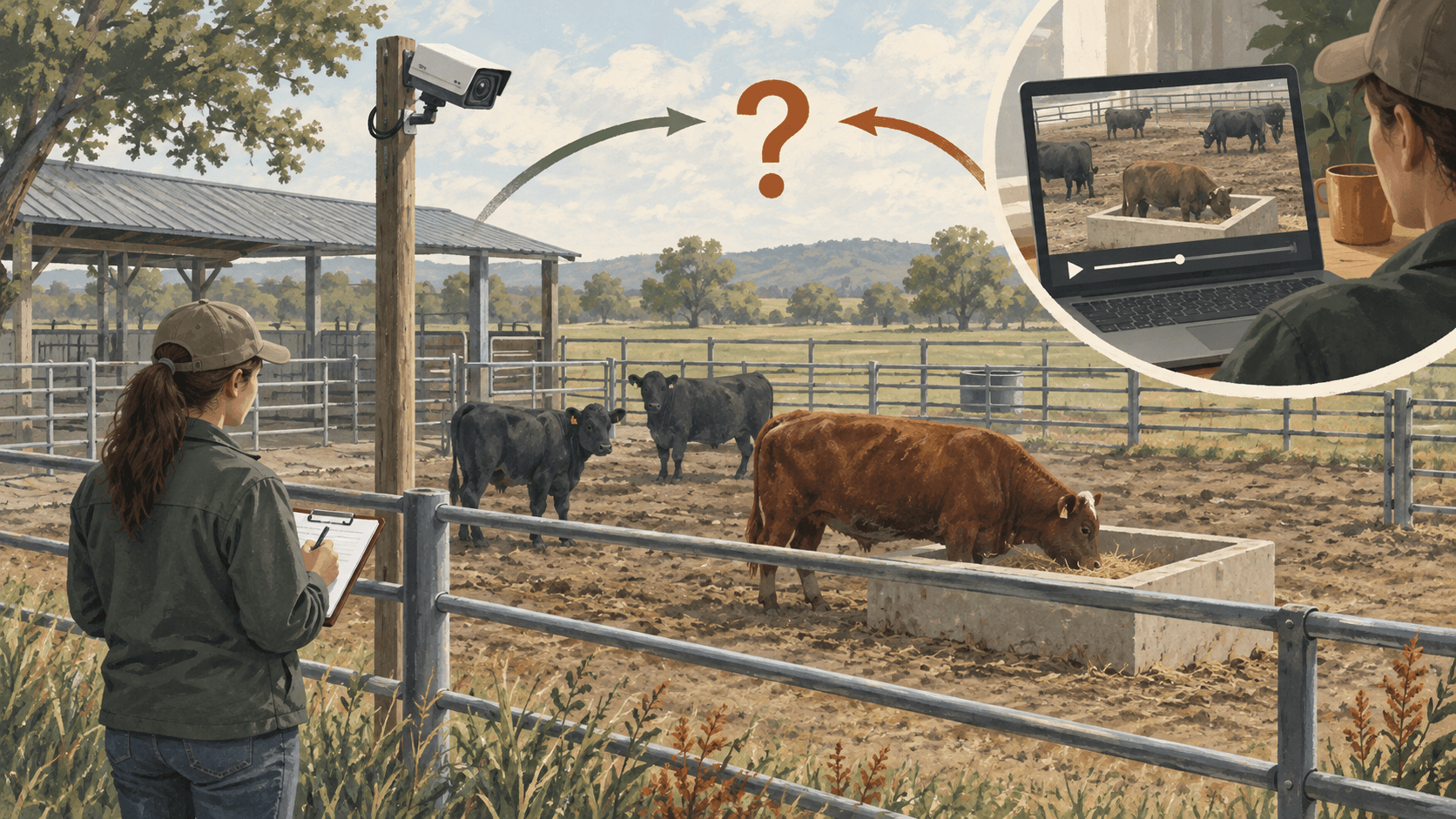
A cattle-video study found agreement depended on the behavior being counted. See what researchers should validate before treating recorded footage and live observation as interchangeable.
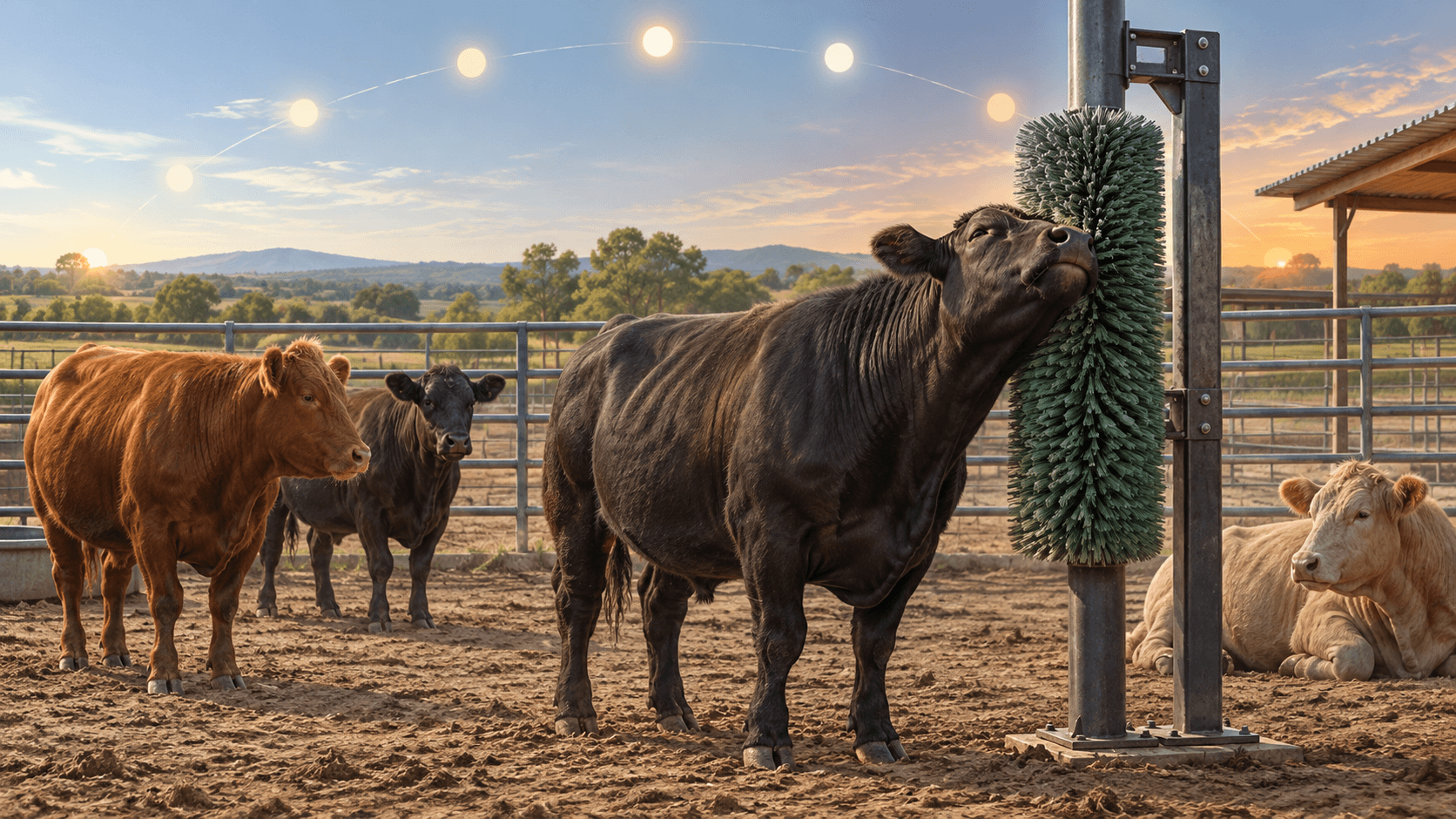
One feedlot study recorded brush use across 107 days without a decline. Learn how researchers can distinguish an early peak from repeated group-level use, and what video can and cannot contribute.