Research & PLF
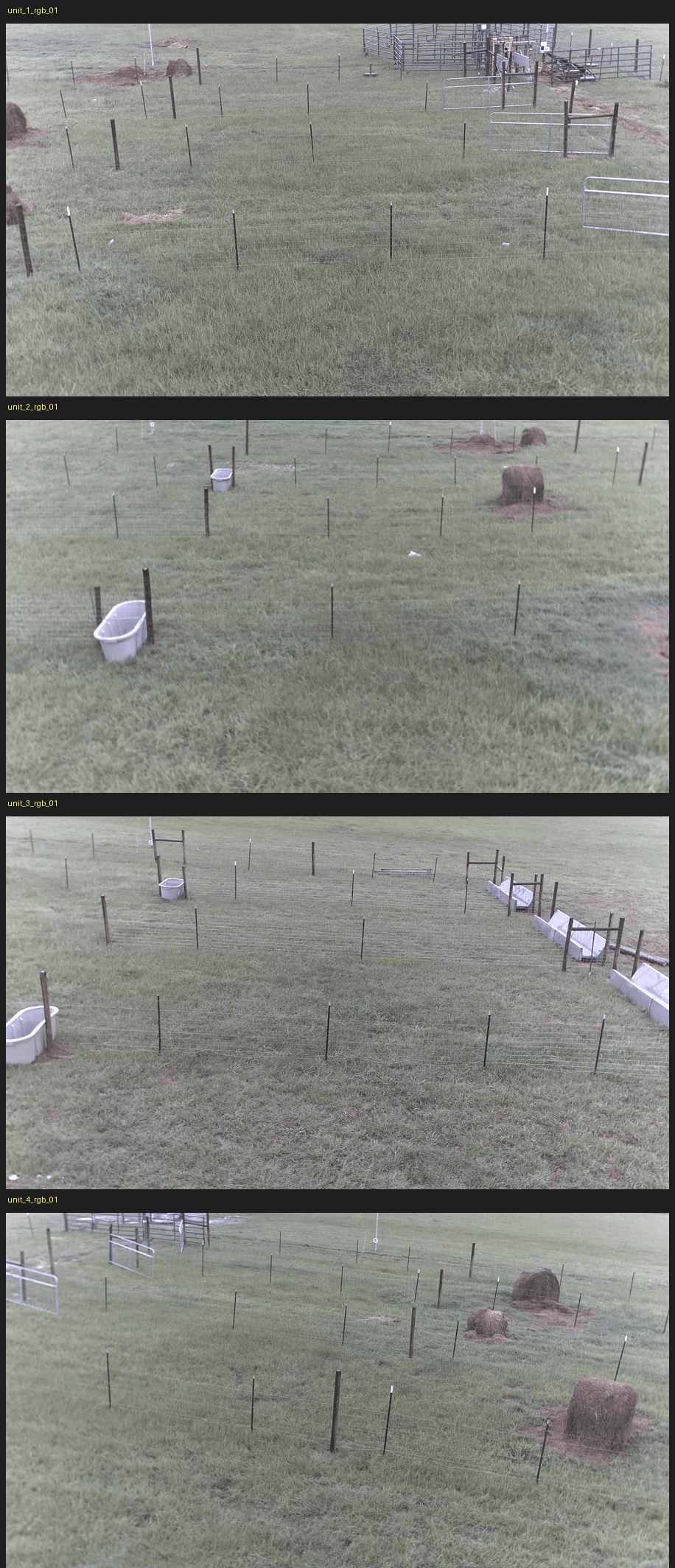
Cattle Camera Setup: Match the View to the Study
Choose RGB, depth, stereo, or multi-view cameras for cattle research, then preserve placement, calibration, timing, coverage, and reference measurements.
From the yard and the lab
Clear answers about cattle monitoring, feedlot operations, and livestock research.
28–36 of 80 articles
Choose RGB, depth, stereo, or multi-view cameras for cattle research, then preserve placement, calibration, timing, coverage, and reference measurements.
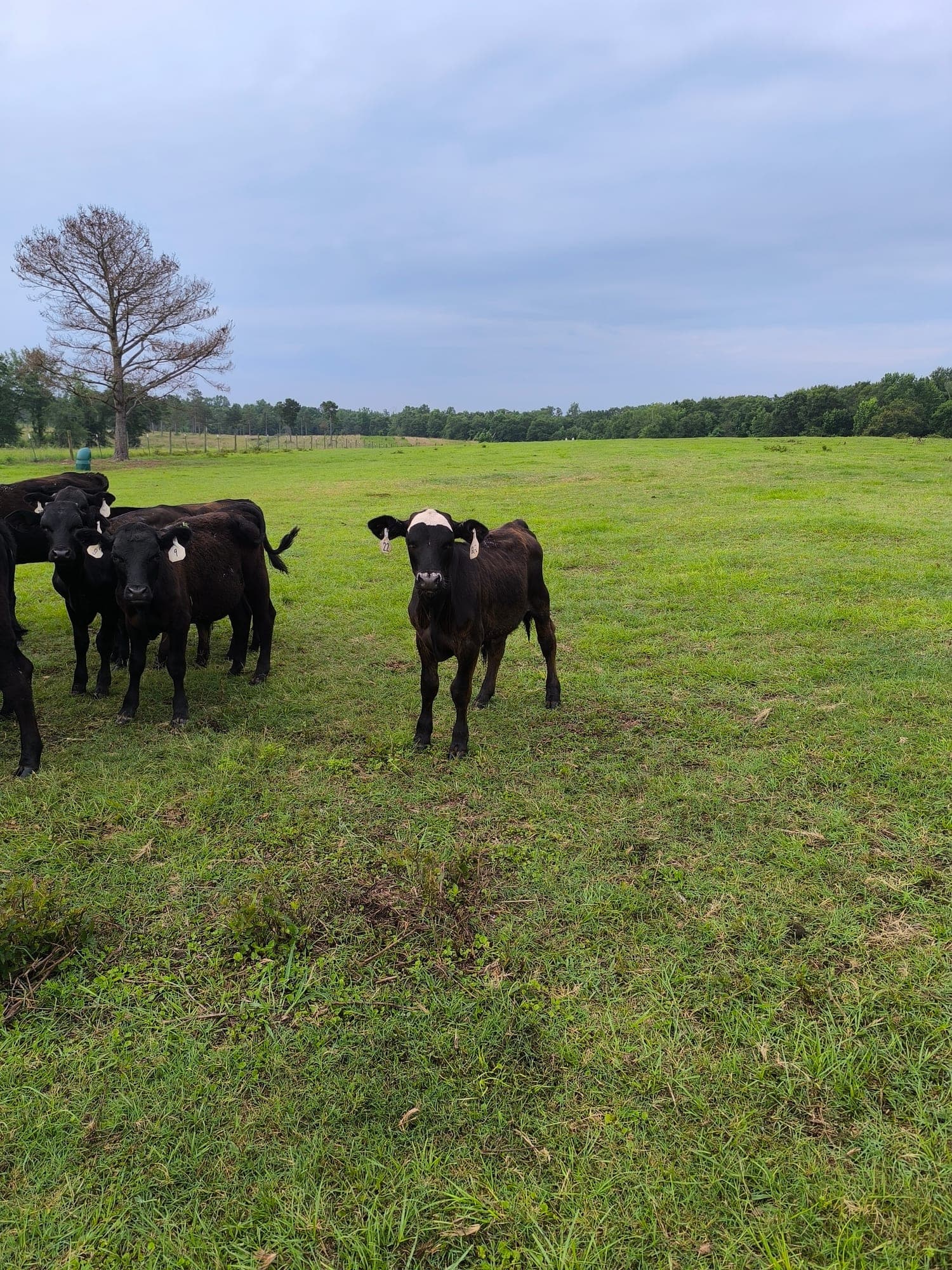
Track calf identity, weaning date, bunk and water use, health work, direct checks, and shipping readiness through preconditioning.
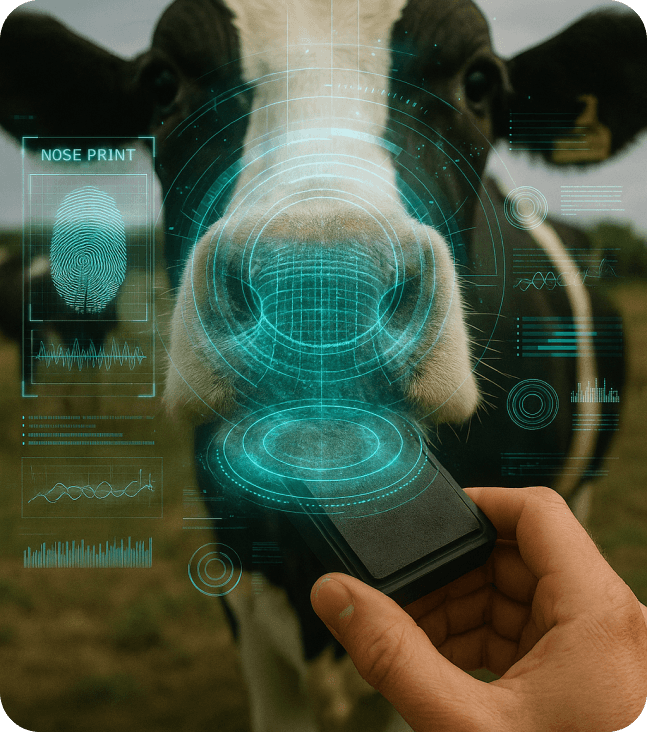
Learn what to preserve when a cattle tag, visual reference, or camera track is unclear before correcting feedlot identity records.
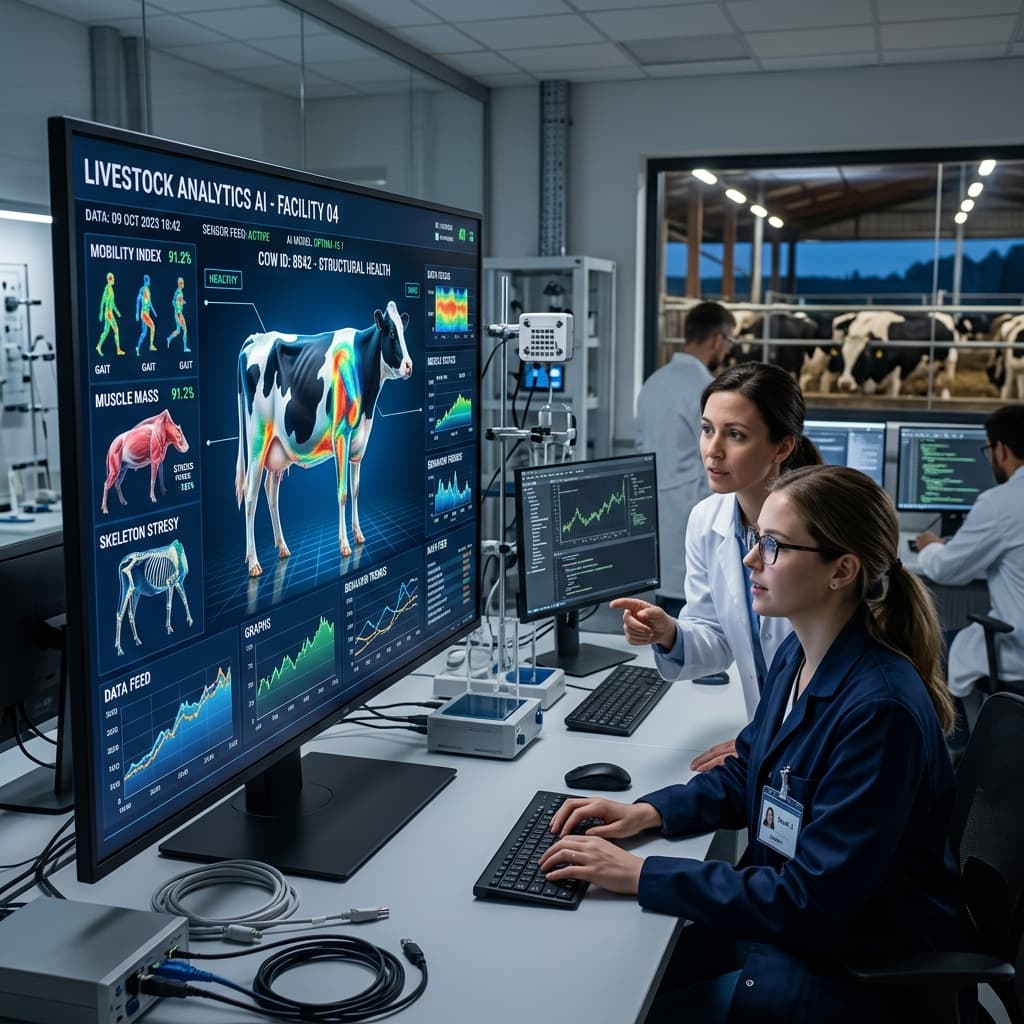
Plan a cattle pose-estimation study around the biological question, camera view, landmarks, occlusion, labels, holdouts, and source evidence.
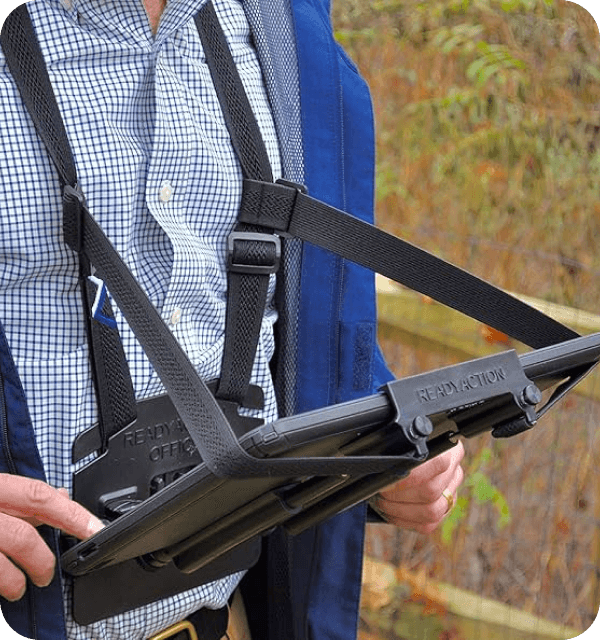
Match expected cattle, observed pen counts, movements, shipments, and unresolved exceptions before closing a feedlot lot.
Learn what fixed cameras can document for feedlot welfare review, including activity, zone use, coverage gaps, source clips, and follow-up.
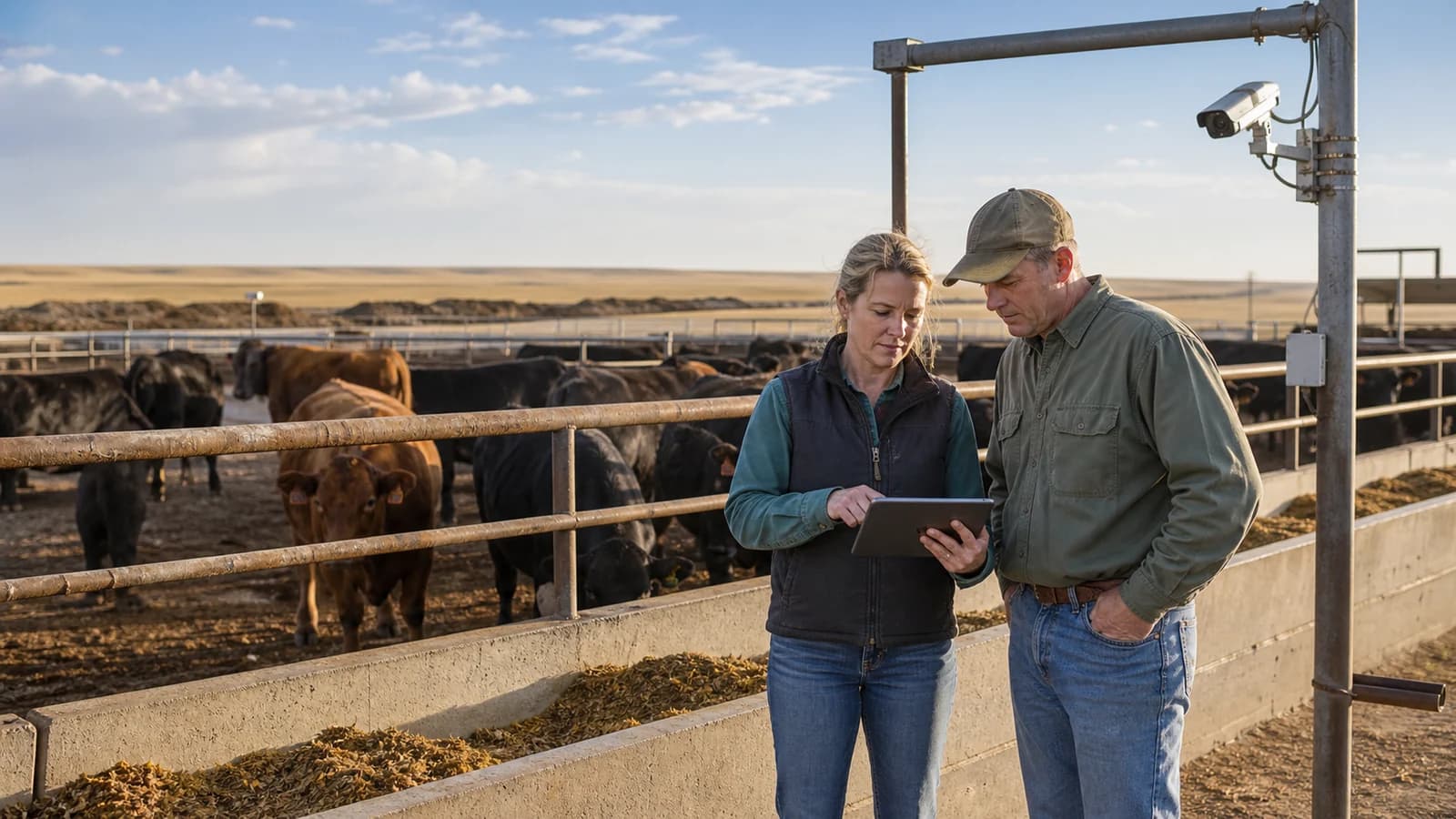
Connect cattle identity, pen history, camera observations, treatment records, weather, and necropsy findings for a clearer death-loss review.

Plan a multi-camera cattle study with synchronized views, calibration, identity records, coverage logs, source video, and independent validation.
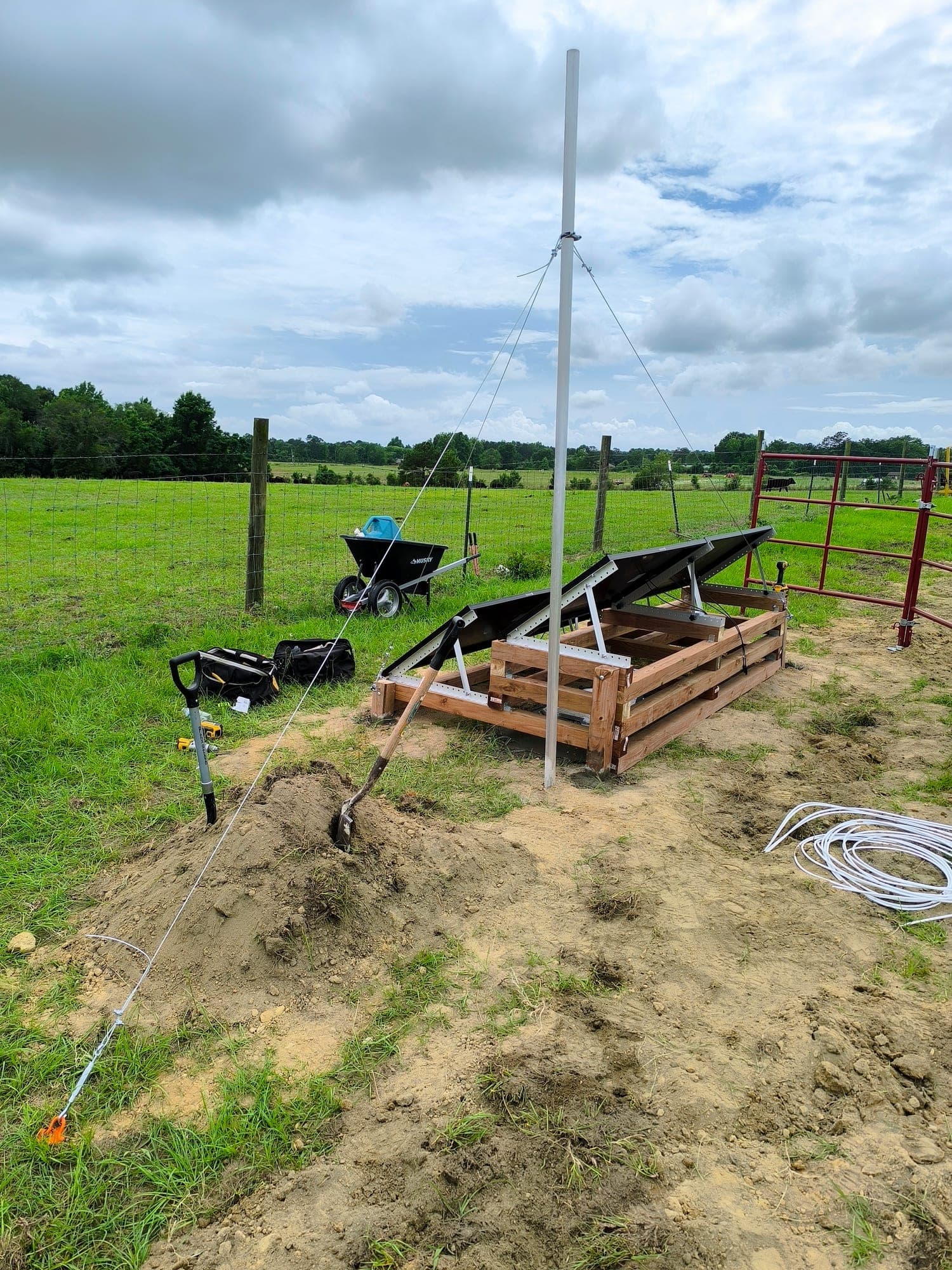
Plan feedlot camera coverage, power, cattle counts, and movement checks. See real field images and what to prepare before installation.