See the view from the yard
Real cattle. A real camera view. A clearer place to start.
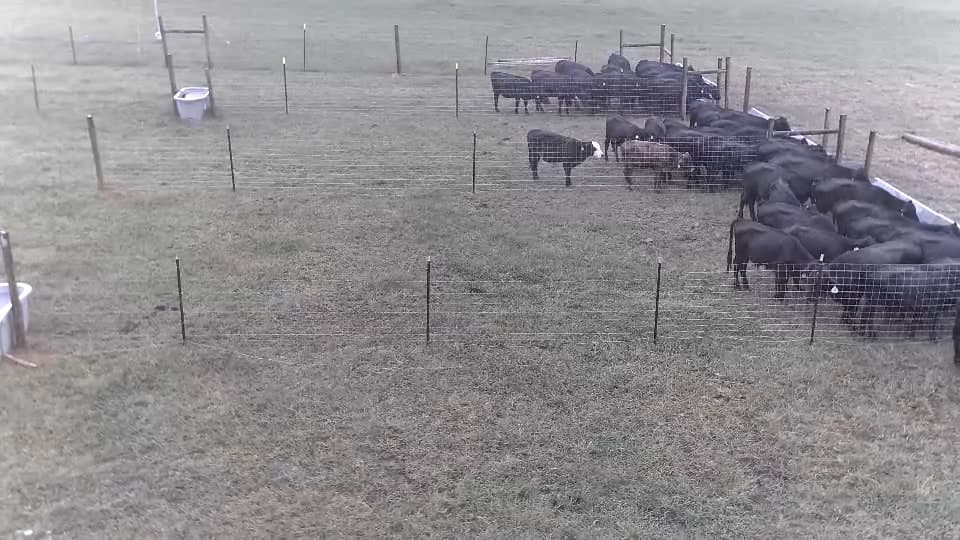
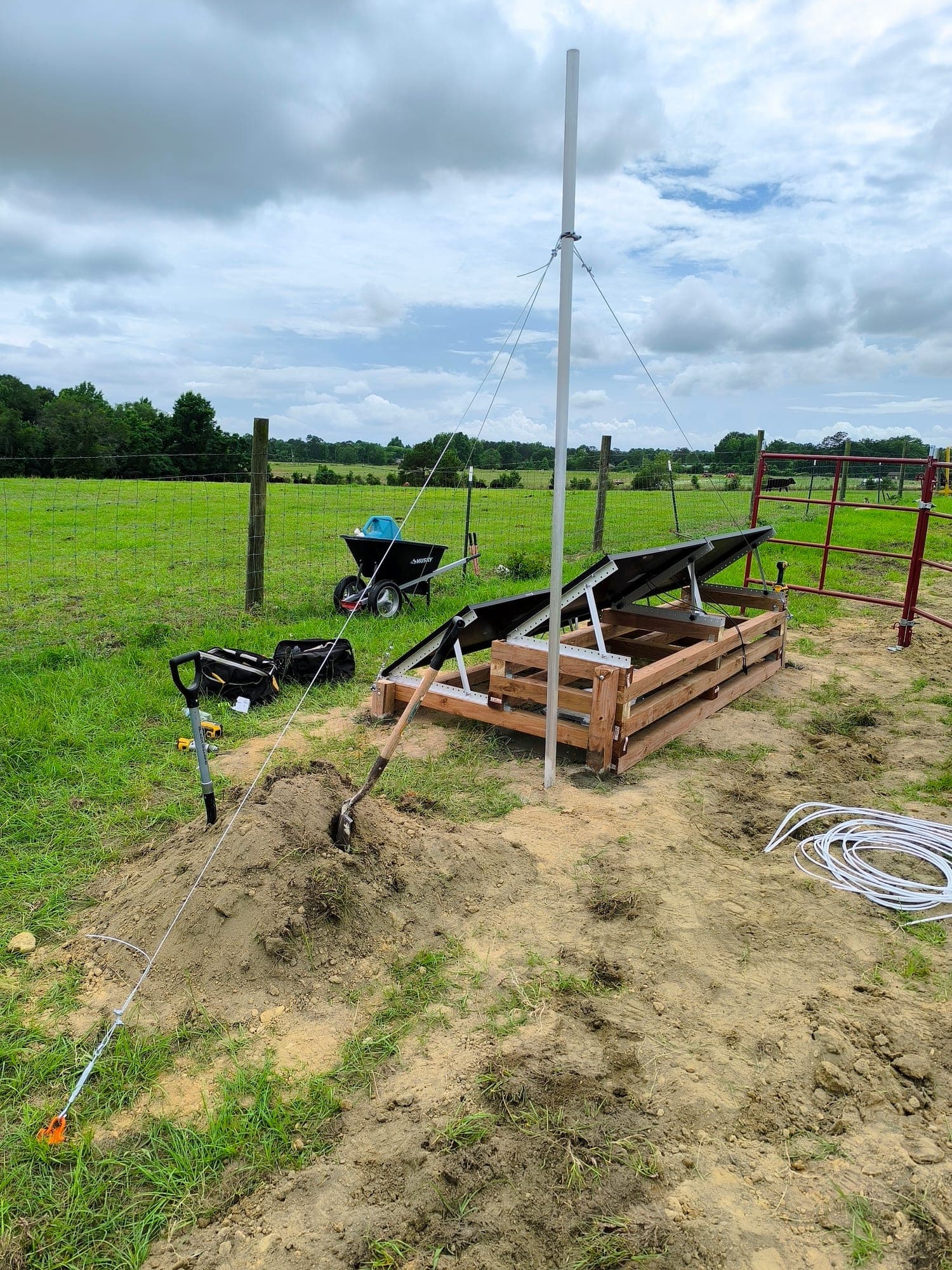
Our June 2026 Tuskegee University installation serves 60 cattle across four research pens. Fixed RGB and thermal cameras connect through solar-powered field nodes and wireless links to on-site processing and storage.
For a feedlot, the useful question is simple: can the crew bring up the right pen and time when something needs checking? Camera placement, current counts, and clear movement information make that possible.
Start with the job
What do you want the cameras to help your crew answer?
You may want to reconcile pen counts after morning moves, check a transfer through a gate, or review bunk and water activity between rounds. Pick the most costly or time-consuming question first.
That choice affects where cameras go, which views are needed, and what information the crew sees. A wide pen view and a close chute view do different jobs. Buying cameras before defining the job can leave the important area out of the picture.
You do not need to reorganize the whole yard before a conversation. A rough pen map, a recent inventory, and one real problem are enough to begin planning.
Your setup checklist
Five things to bring before installation
Mark the pens and routes the crew uses
Start with a yard map, even a marked-up aerial photo. Label receiving, home and hospital pens, gates, alleys, chutes, bunks, and water points. Use the same pen names in the office and on the camera screen.
Bring: a map showing where cattle enter, leave, and move between pens.
Choose the head count you will compare against
Use the count your team already maintains by pen and lot. Update it after receiving, transfers, pulls, returns, shipments, and confirmed losses. A camera count needs the expected count for the same moment, not yesterday's total.
Bring: one recent pen inventory and the moves that changed it.
Keep cattle IDs connected to the right lot
List the IDs already used in your yard: electronic ID (EID/RFID), visible tags, lot numbers, and arrival manifests. Decide where an individual animal needs to be identified and where a pen-level count is enough.
Bring: a sample of the tag, chute, or lot information you use today.
Put a time and destination on each move
For each transfer, keep the starting pen, destination, time, reason, and number actually moved. Set the camera system and yard software to the same time standard so the crew can find the right view quickly.
Bring: a morning transfer or hospital-pull example from start to finish.
Decide who checks a count that does not match
Name the person who checks a difference between the observed count and expected inventory. They should be able to open the source view, check recent moves, and document the correction or the need for a pen check.
Agree: who checks it, when they check it, and how the next shift sees the answer.
Walk the site before choosing equipment
Coverage, power, and access belong in the same plan
- Camera position
- Walk the likely mounting points with the crew. Check the pen edges, gates, and places where cattle bunch together. Decide whether a second view is needed to see behind cattle or structures.
- Power and connection
- Identify available power, possible solar locations, and the path back to the on-site computer. Check where wireless links have a clear route and how the crew will reach equipment for service.
- Day and night views
- Review the lighting and the hours that matter. RGB cameras provide a familiar visible-light picture; thermal cameras add a heat-based view. Select each view for a specific job.
- Storage and access
- Agree how long to keep images and clips, who can review them, and which yard records need to be imported or exported. Review your current software and data format to confirm how the information will move between systems.
These choices also drive the quote: number of views, mounting work, power, connectivity, computing, and installation. Ask for a site-based scope that explains what is covered and what the crew receives.
How Livestock Technologies helps
From a camera view to a useful count check
Livestock Technologies brings the field equipment and software together. Cameras capture the covered pens and movement routes. On-site processing organizes observations by place and time, with source images or clips available for review.
The inventory workflow compares observed cattle with the expected pen count. When they differ, the crew has a place to begin: that pen, its recent movements, and the supporting camera view. It directs attention to the question that needs an answer.
At the chute, face, muzzle, and visible-tag views add another reference alongside the cattle IDs already in use. The office and crew can review the evidence together before correcting a count or movement entry.
The setup also needs to show when a view is blocked or a camera is offline. An unclear view calls for another check, not a silent change to the yard's inventory.
See the complete feedlot inventory and movement workflow and cameras and on-site technology behind it.
A morning-move example
A pen starts with 160 head. Five move out. What should you see?
In this planning example, the crew moves five cattle from Pen 12 to the hospital pen at 8:10 a.m. The expected count in Pen 12 becomes 155, and the hospital count increases by five.
If a later camera observation does not match 155, the reviewer checks the move time and the covered gate view. Was the transfer entered late? Did all five complete the move? Is part of the pen hidden from that camera?
The answer may be a corrected entry, a second view, or a crew check in the pen. Keep the reason and reviewer with the result so the next shift does not have to start over.
That is the practical value of connected views and current counts: the crew can work through a specific difference instead of treating every mismatch as a whole-yard recount.
Make the first installation earn its place
Test the daily job before expanding across the yard
- Can the crew find the right pen, time, and source view without a long search?
- Do comparisons use a current expected count after cattle moves?
- Are blocked views or offline cameras visible to the reviewer?
- Can the next shift see what was checked and what still needs attention?
- How much crew time does each review take compared with the current process?
- What equipment, coverage, and training would the next group of pens need?
Pick the first pens and review period together. Compare observations with the crew's confirmed counts across the conditions that matter in your yard: routine moves, crowded bunks, changing light, and weather.
Judge the setup by whether it helps people do the job. The next phase should follow what the crew learns about coverage, review time, and the questions they can answer more clearly.
Useful references
Keep camera planning connected to sound yard management
The Beef Quality Assurance feedyard assessment uses current inventory and a yard map when planning observations. BQA also provides an animal-movement log for inbound and outbound cattle. Those are useful foundations to build on; the camera system adds another view of the work.
A practical next step
Let's map the camera setup for your yard
Tell us your approximate head count, the pens you want covered, and what takes the most time to check today. We'll discuss camera locations, power and connection options, the information your crew needs, and a practical first installation. A rough map is welcome; it does not need to be polished.
Discuss my feedlot camera setup