Answer first
A complete pull record follows the animal back to a pen
When a pen rider pulls an animal, record the ID, home pen, observation time, visible reason, route, destination, direct check, care, recheck, and return.
Cameras can preserve time and movement around that event. The crew and veterinarian still make health, treatment, and release decisions.
Why the record matters
Technology can flag a question, but people must resolve it
A 2026 University of Nebraska-Lincoln study compared pen-rider decisions with remote sensing tags in 638 newly received steers. The two methods often disagreed.
The authors found that the tag group treated more cattle. They concluded that the technology may help, but it does not replace experienced personnel.
Beef Cattle Research Council work reached a similar point. Researchers linked video, rider notes, treatment records, and direct measurements from cattle pulled for review.
The practical lesson is simple. Preserve what triggered the question, then keep the direct assessment and final action with it.
Pull-to-return record
Six steps that keep the animal and the record together
Name the animal and home pen
Record the animal ID, lot, home pen, observer, and time. If identity is uncertain, keep that uncertainty visible until the crew resolves it.
Write what the rider saw
Use concrete observations, not a guessed diagnosis. Note posture, movement, breathing, appetite, location, isolation from penmates, and any visible injury.
Record the pull and destination
Keep the departure time, covered gate or alley, destination pen, and arrival time. Note any identity or movement mismatch before the next transfer.
Complete the direct care record
Animal-health staff document the exam, veterinary direction, product, dose, route, lot number, person, and withdrawal date under the yard protocol.
Set the next check
Record the recheck time, care owner, response, and next disposition. Keep each retreatment connected to the same animal and original pull.
Close the pen return
Record the release decision, return time, destination pen, and updated expected count. Review any wrong-pen, missing-animal, or unmatched-movement exception.
Clear ownership
Give each part of the record to the team closest to the work
| Owner | Moment | Record |
|---|---|---|
| Pen rider | First observation | Animal ID, home pen, time, location, visible signs, and observer notes |
| Yard crew | Pull and move | Departure, route, destination, arrival, gate event, and identity exception |
| Animal-health team | Direct check and care | Exam record, veterinary direction, treatment fields, withdrawal date, and person |
| Care owner | Recheck | Scheduled time, observed response, retreatment, hold, release, or escalation |
| Inventory owner | Return or reassignment | Destination pen, return time, expected count, observed count, and resolution |
The current Beef Quality Assurance manual includes an individual cattle treatment record. It covers ID, home pen, date, diagnosis, temperature, dose, route, person, comments, and withdrawal.
When records disagree
Keep the difference open until a person resolves it
A disagreement is useful when the team can see both sources. Do not erase the first record or replace uncertainty with a guess.
The animal moved, but the pen record did not
Keep the original home pen and the observed destination. Route the difference to the inventory owner before another move hides where it began.
The camera shows a move, but identity is uncertain
Keep the event as an unmatched movement. Do not assign it to the nearest ID without a reviewable visual or record connection.
A tag alert and a rider observation disagree
Preserve both records with their times and sources. Send the animal through the yard's direct-check process instead of forcing one source to win.
The care record is complete, but the return is missing
Keep the animal open in the movement queue. Confirm its current pen and update the expected count before closing the event.
Low light, dust, blocked views, and animals outside camera coverage should stay marked as missing or uncertain. They should not become a false confirmation.
Close the event only when the animal, current pen, care status, withdrawal status, and next owner agree. Keep the correction time and reviewer with the final record.
How cameras help
Add a reviewable timeline around the crew’s record
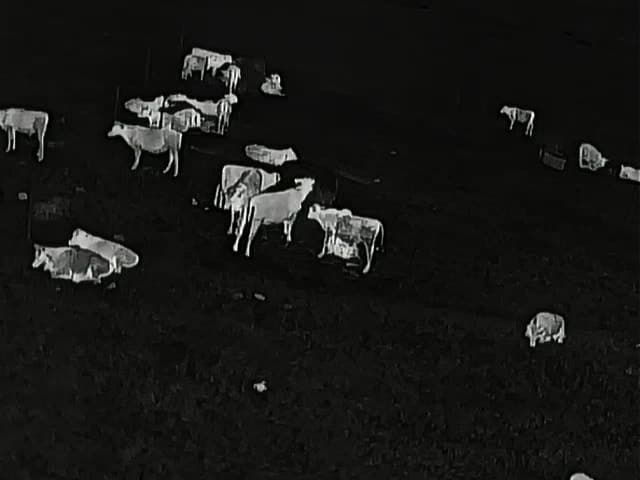
Fixed RGB and thermal cameras can preserve visible presence, movement, zone use, and covered gate activity. Source frames and clips help a reviewer return to the event.
Livestock Technologies can compare an expected pen assignment with observed presence. The system can also route a possible wrong-pen or unmatched-movement event for review.
Camera observations do not diagnose disease. Thermal images show surface patterns, not an internal body temperature. Direct examination and the veterinary protocol guide care.
At Tuskegee University, fixed RGB and thermal cameras record four research pens. The documented field deployment shows the installed capture system and reviewable source imagery.
Commercial teams can review the feedlot inventory and movement workflow or see what the cameras can observe.
End-of-round check
Five questions before the record closes
- Do all open pulls have a named animal, home pen, current pen, and care owner?
- Does every treatment record include the required product, dose, route, person, and withdrawal date?
- Are rechecks due today visible before the next pen round begins?
- Did each return or reassignment update the expected pen count?
- Are uncertain identities and unmatched movements still open for review?
Sources and current guidance
Read the records and research behind this guide
- University of Nebraska-Lincoln: Remote sensing tags and pen-rider decisions in newly received steers
- Beef Quality Assurance: National Manual and individual cattle treatment record
- Beef Cattle Research Council: What can we learn from good feedlot pen checkers?
- University of Nebraska-Lincoln: Late-summer feeder cattle receiving guidance
A practical next step
Bring one week of pull, hospital, and pen-return records
We can map where camera observations, movement events, and pen counts can support the records your team already trusts. Start with one yard area and one named review owner.
Review a pull-record workflow