Livestock Technologies · University capabilities brief
A field-built livestock platform for your next study.
Fixed cameras capture cattle at the pens and bunks. Paired RGB and thermal views, chute reference images, and on-site storage give your team a field record to build a study around.
Share this overview with your research team, department or equipment office. No sign-up required.
Installed at Tuskegee University
Start with a working field deployment.
Our documented installation covers 60 cattle across four research pens under a Sponsored Research Agreement. It brings together fixed RGB and thermal cameras, solar field nodes, wireless connectivity, on-site processing and storage, and chute reference capture.
Designed for little to no routine maintenance, with equipment and support scoped around the site.
Watch the deployment and read the field report →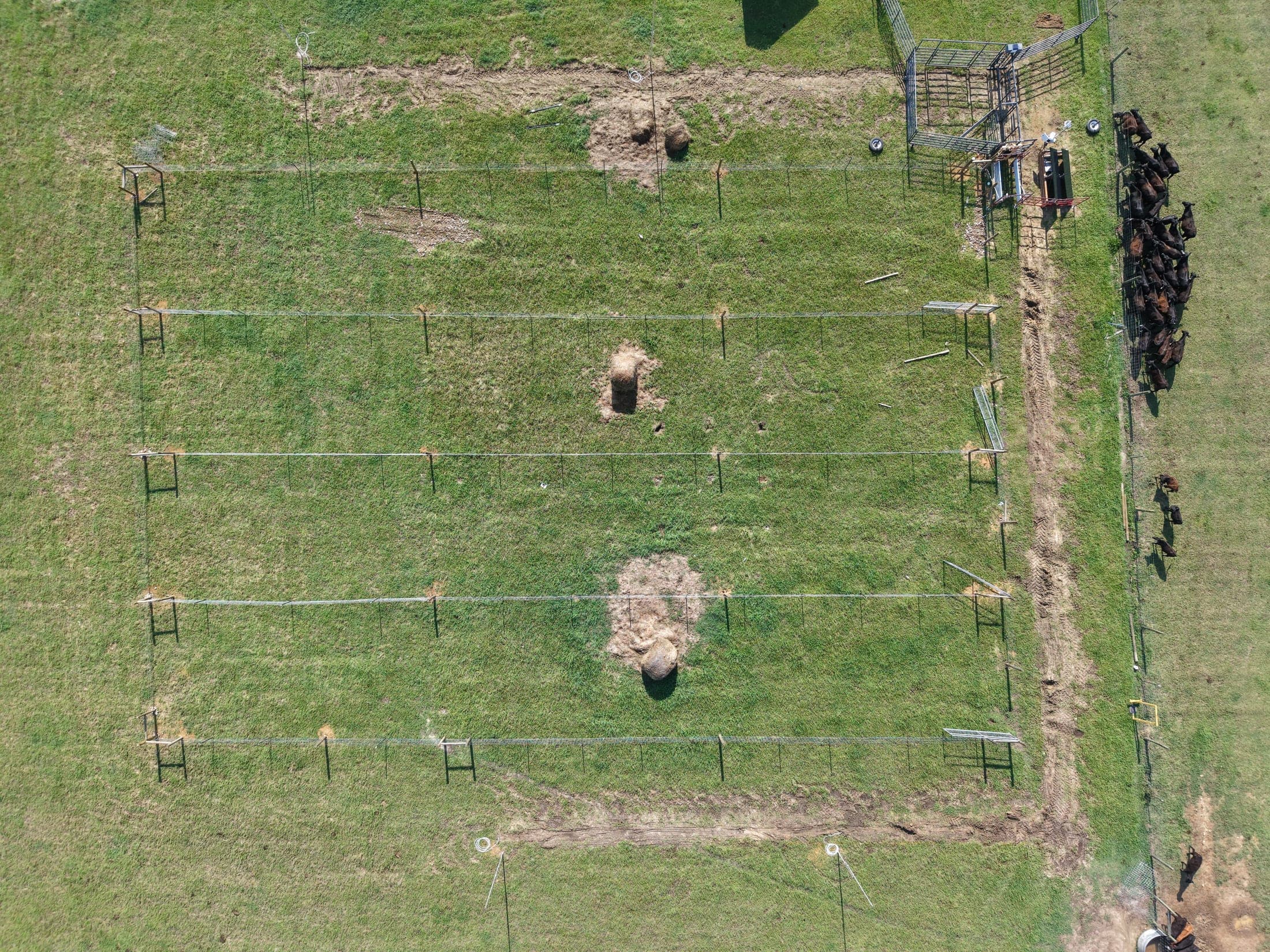
Example study workflow
Ask how cattle use the bunk across a day.
For a proposed study, define the time window and what counts as a bunk visit. The field cameras capture the pen; your team can revisit the footage and plan the annotations and data export needed for analysis.
From field view to research question
Choose the observations your study needs.
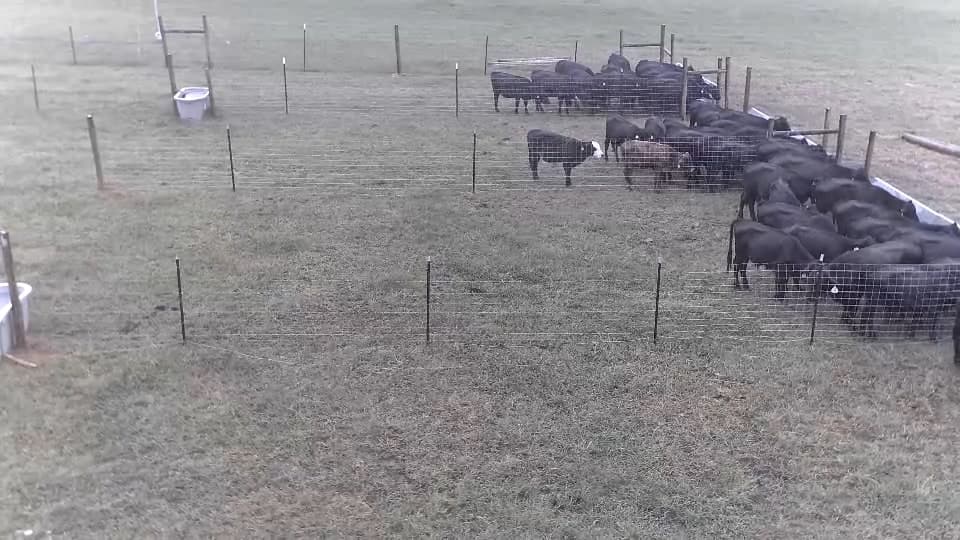
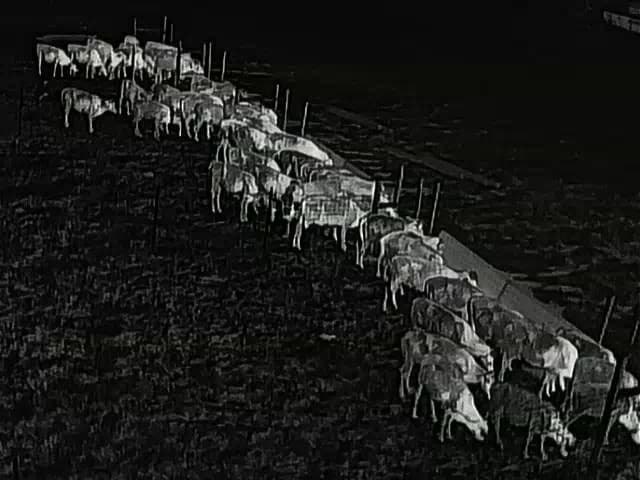
Installed at Tuskegee: paired field cameras, chute reference capture, and an on-site archive. Defined with your team: behaviors, labels, exports, and study deliverables.
- Behavior and activity
- Plan continuous capture around pen use, bunk presence or resting patterns, with behavior definitions and outputs agreed for the study.
- RGB and thermal research
- Combine visible detail with thermal context. Thermal images show surface patterns; the research method determines what can be concluded.
- Chute reference capture
- Scope repeatable views of faces, muzzles and visible tags to support the study’s identity and imaging workflow.
- Data and infrastructure
- Define on-site compute and storage, access to time-stamped footage, model-version context and the export formats your team needs.
These are study-planning areas. The proposal defines the configured outputs, species, measurement methods and deliverables for your project.
For the principal investigator and equipment team
A clear scope before a purchase.
Academic projects can be scoped as a one-time equipment deployment with on-site software and data infrastructure. We can discuss hardware ownership, installation, training, support, updates, storage and optional services together.
- Start with the science. Share the species, setting, research question and intended study dates.
- Map the equipment and data. Define coverage, power, connectivity, storage, outputs and responsibilities.
- Prepare the institutional scope. Request an equipment scope for your internal planning, proposal or purchasing review.
If a grant is involved, bring the current notice and deadline. Your institution confirms eligibility and allowable costs; we discuss the equipment and technical scope.
Never lose an animal.
What would you like to study?
You do not need a finished equipment list to begin. Tell us the question and we can discuss the next step.
Request a research equipment scopesteve@livestock.tech · 719-342-5683
Grace in how we serve. Mercy in how we care. Stewardship over God’s creation.
Updated September 25, 2026 · livestock.tech/researchers/capabilities
First-party documentation: Tuskegee deployment field report · Technology overview