One animal, several visits, one connected record
Picture a study that observes an animal at enrollment, after a management change and again weeks later. The useful question is not just whether the camera sees cattle. It is whether the team can connect each image and observation to the right animal without quietly carrying an identity mistake through the dataset.
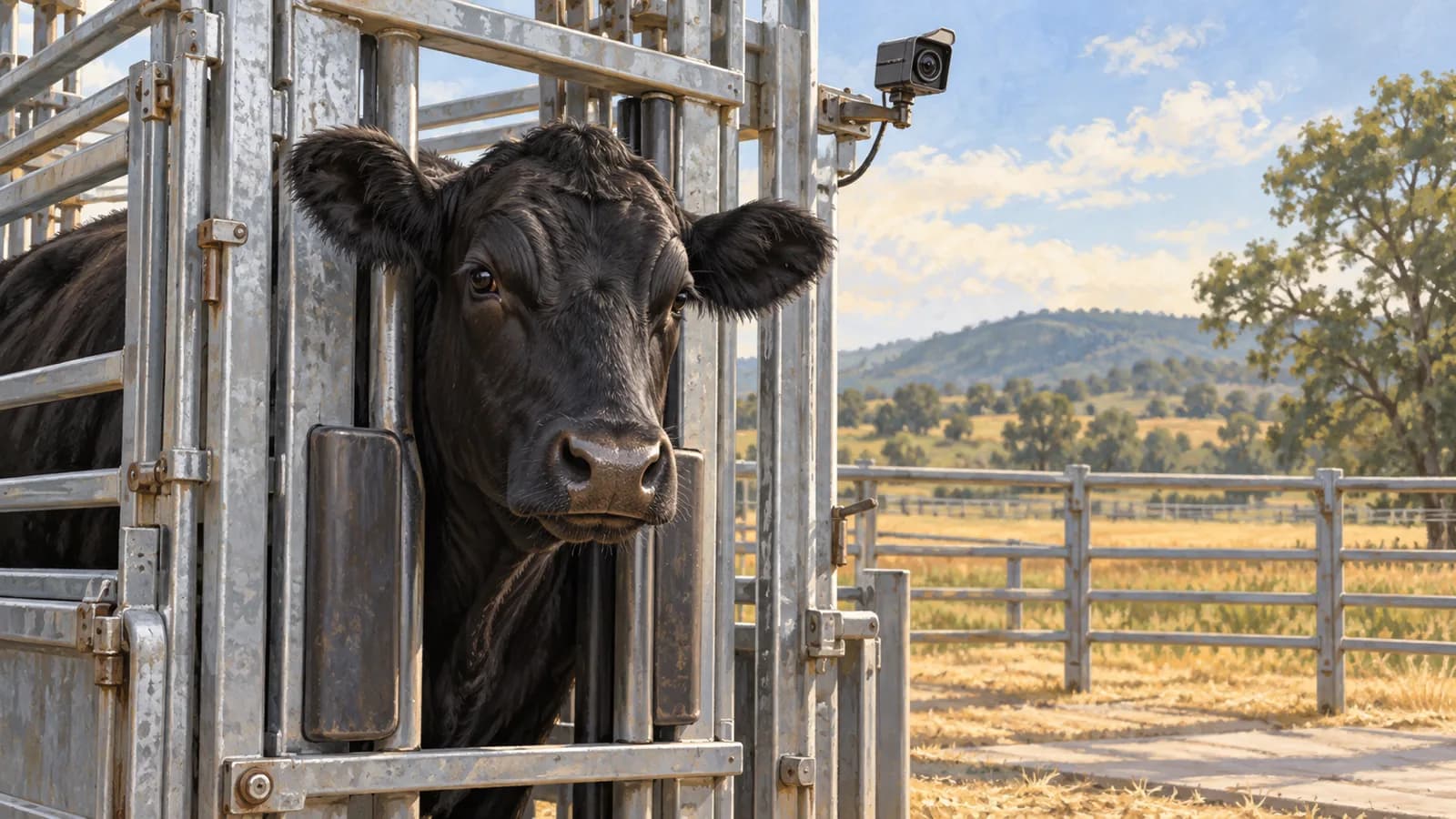
At the first chute passage, the team already has a known tag or electronic ID. Nose ID can save face, muzzle and visible ear-tag imagery beside that record, plus the time and source image. The result is a reference a person can inspect later. Our technology overview shows how controlled capture and working muzzle segmentation fit together.
What the next visit can reveal
On a later visit, the animal's pose, light, age or muzzle condition may differ. The study can keep the new image, its tag reading and the original reference together, then ask whether a proposed image match agrees with the known record. If the evidence conflicts or an animal has no reference, the answer should be “unknown” until a person resolves it.
For example, imagine animal 42 enters the chute at enrollment and again after a defined study period. A reviewer can compare both source images and the ID record. A research model could then be evaluated on whether it retrieves the right earlier reference, how often it rejects a different animal and when image quality makes the answer uncertain. That is a proposed study design, not a reported outcome from our installation.
Independent research shows why time matters
A 2026 Penn State dairy-cattle study tested computer-vision identification across growth phases and included animals unknown to the system. Separately, University of Nebraska researchers published a beef-feedlot muzzle-image dataset and evaluated identification models. They show two useful research directions: recognizing an animal over time and finding the useful detail in a muzzle image.
For a new beef-cattle field study, define the time between visits, the known and unknown animals, the image conditions and the official ID used as a check. The independent papers offer methods to learn from; a new herd and our Nose ID workflow need their own results.
Where Nose ID fits in a university project
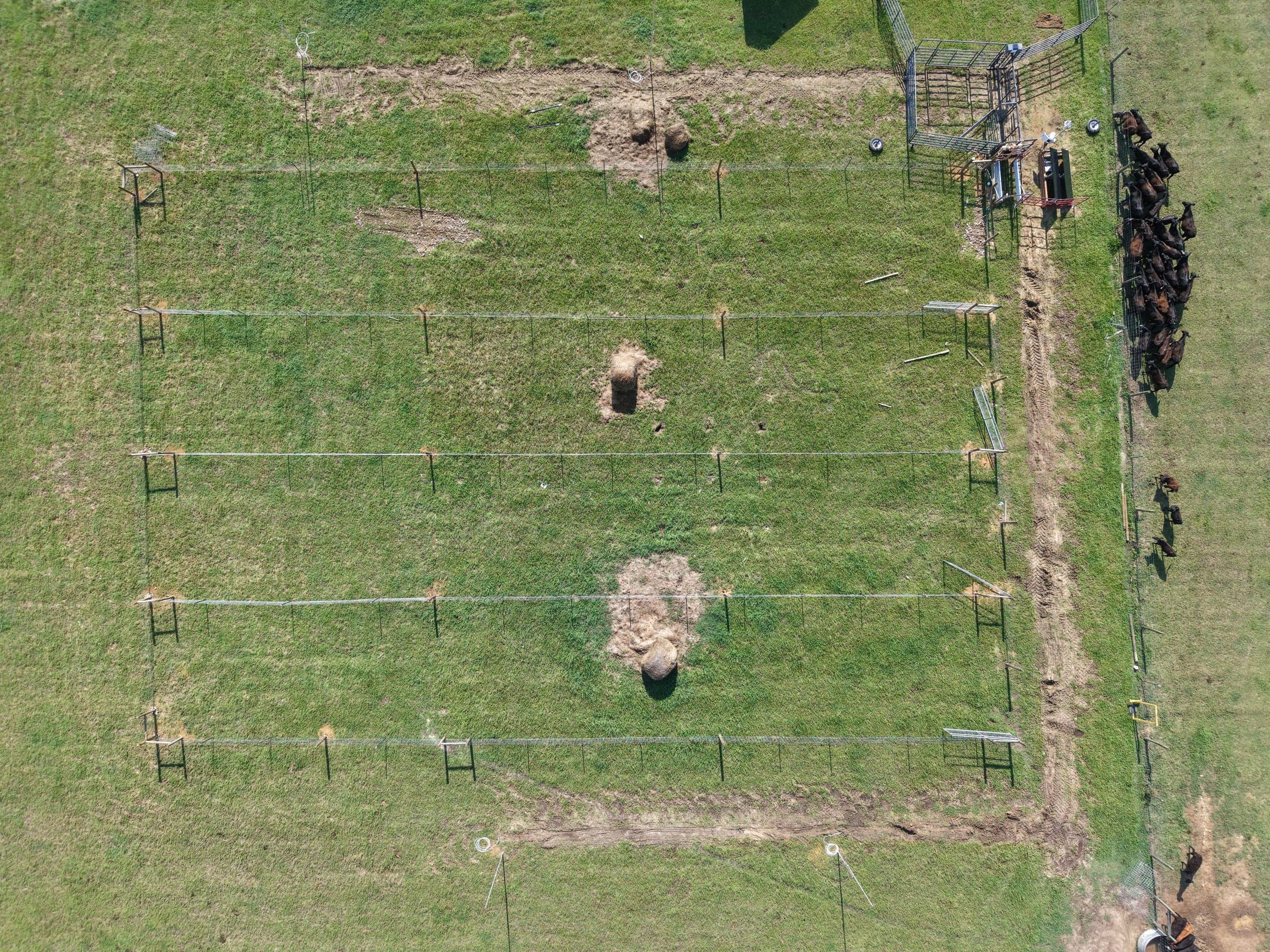
Livestock Technologies contributes the controlled-chute capture workflow and an on-site cattle observation platform. Tuskegee's documented installation gives a research team a real field setting with fixed digital and thermal cameras, local processing and chute-reference capture. A new project can scope which cattle are enrolled, when repeat images are collected and which field observations need an individual identity.
The visual reference supports research and record review; it does not replace official identification. USDA APHIS guidance says to record every form of identification present. Keeping the tag, image, timestamp and reviewer decision together helps the research team explain which animal each result represents.
If the study also needs footage, labels or data exports, define those outputs with the research question. Our ungated research capabilities brief gives an equipment starting point, and the researcher page explains how to discuss a site-specific project.
Start with the identity question you need answered
A first conversation can begin with one concrete question: do you need a visual record to review alongside official ID, or do you want to test automatic recognition between visits? Those are different scopes. Bring the species and herd, the expected visit interval and the observations you want to connect. We can discuss the chute setup and shape a focused research protocol together.
Never lose an animal.
Connect the animal to the research question.
Tell us what your team wants to follow across visits. We'll walk through the Nose ID reference workflow, our Tuskegee field installation and the scope your study would need.
Discuss a cattle research project →