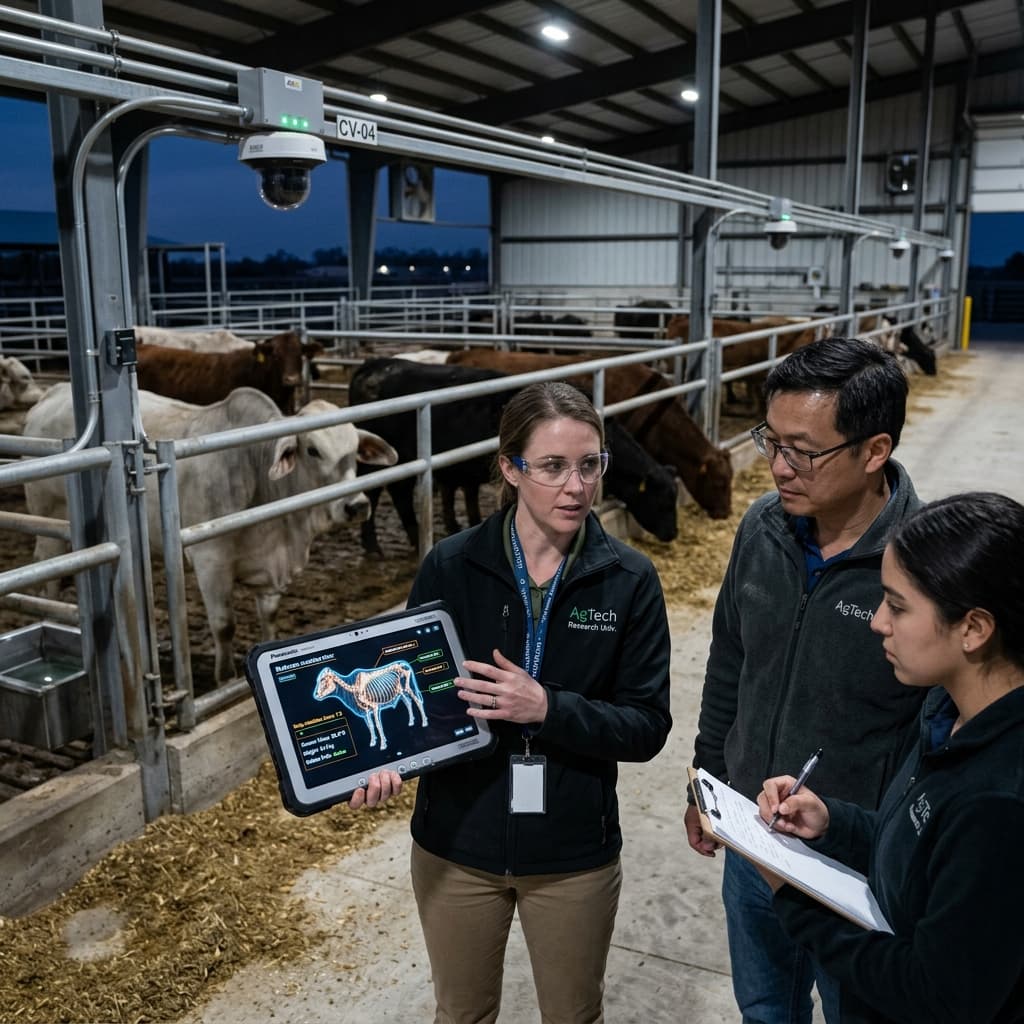
Livestock computer vision uses cameras and image analysis to turn visible animal activity into observations researchers can study. Livestock Technologies brings RGB and thermal capture, on-site processing, and animal ID references together. University teams can build studies around behavior, bunk visits, movement, and the questions that matter to their animals.
See what the cameras capture at Tuskegee
These are real source images from our Tuskegee University installation, documented with 60 cattle across four pens.
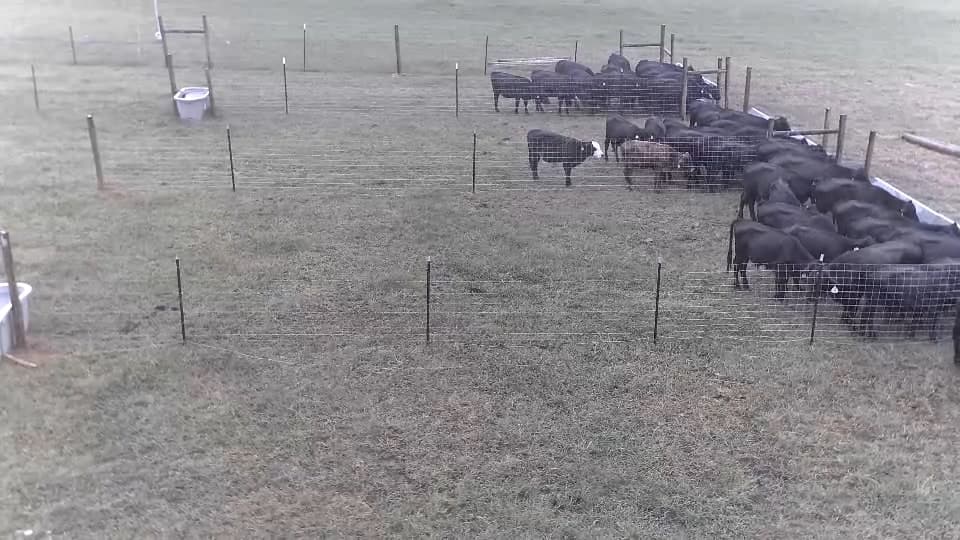
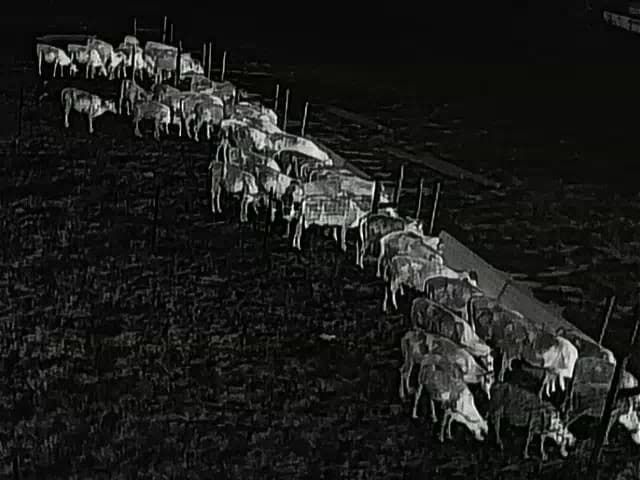
Solar-powered camera nodes send imagery to on-site processing and storage. The team can return to a pen and time, then compare observations with study records.
Explore the installed system and field images →Start with the question, then choose the measurement
A feeding study might ask when cattle reach the bunk after feed delivery. A behavior study might compare resting or movement across pens.
Start at the level your question needs: the group, the pen, or a known animal. That choice shapes camera positions, identity checks, and the data your team needs to export.
- Name the event. Define what counts as a bunk visit, a water-zone visit, or a period of rest.
- Choose the comparison. Decide which pens, animals, treatments, or time periods you will compare.
- Keep the source image. Let a researcher check the observation against what the camera actually saw.
For example, a bunk visit shows presence at the bunk. Measuring feed consumed requires an intake reference and a study designed for that measurement.
How the research platform fits together
The useful result is more than a video archive. It is a way to connect the animal, place, time, observation, and supporting image.
Capture the activity
Fixed RGB cameras record visible detail. Thermal cameras add surface-heat patterns and night views. Map each camera to the area it needs to observe.
Connect animal references
Controlled chute views capture the face, muzzle, and visible tag. Match these with the study’s EID, RFID, or enrollment records when individual identity matters.
Keep data close to the study
On-site computing and storage hold the working archive. Agree on retention, backups, access, and camera timing before recording begins.
Make the results reusable
Scope exports that connect observations with timestamps, pen or animal references, source images, and model versions. Your team can trace a result back to its source.
See the research platform, equipment options, and services, or explore how the camera and chute technology works.
Cameras and wearables can answer different parts of the question
A camera records what happens in its view. An animal-mounted sensor can record another signal as the animal moves. Scales, tags, and direct observations add useful comparisons.
A review in Animal Frontiers describes computer-vision research in identification, feeding, body measurements, and behavior. Those applications help a study team decide what to measure; they are not interchangeable results.
Choose the combination around your question. For a bunk-use study, connect the camera timeline with feed delivery and direct observations. For individual measurements, include a trusted animal reference.
Build a study that another researcher can repeat
Agree on ground truth: the independent observation or measurement you will use to check the system. Keep those checks with the study data.
- Use one clock. Align camera times with feed delivery, animal handling, and other sensors.
- Keep the definitions. Write down event labels, inclusion rules, and how reviewers resolve disagreements.
- Show gaps clearly. A hidden animal or an offline camera is missing information, not a zero.
- Test on separate data. Evaluate the method on animals or periods not used to develop it.
- Keep the version. Save the model, settings, source images, and corrections behind the reported result.
This gives faculty and students a practical route from field capture to analysis. Our multi-camera cattle study guide covers the capture details.
What to bring to a research conversation
You do not need a finished camera plan. Bring the study question, species, approximate scale, and the information you want at the end.
We can discuss the camera layout, power and connectivity, on-site storage, animal references, and export needs. For a grant or graduate project, include the project stage and timing.
Academic projects can be scoped around equipment ownership and on-site software. The proposal defines hardware, storage, support, updates, and any research services.
Let’s plan the cameras and data for your study.
Tell us what you want to learn. We’ll discuss the capture setup and data exports your team needs to get started.
Discuss Your Research Study