The short answer
Keep the government record and the yard record separate, but connected.
The official certificate records the shipment, origin, animal identification, and required health statements. The feedlot record starts when the load reaches the yard.
One shared load reference should connect both records. From there, every count, chute passage, pen assignment, movement, and correction needs a clear time and owner.
What arrives with the cattle
Start with the current APHIS documents.
USDA APHIS updated its Mexico cattle-import page on August 18, 2026. It lists the feeder-cattle protocol, an August model health certificate, and new screwworm documents.
Douglas, Arizona, is scheduled to reopen August 24. APHIS says other southern livestock ports remain closed until later decisions are made.
Shipment identity
The model certificate includes the consignor, importer, origin, destination, loading details, transport ID, entry point, total head, and animal identification.
Official animal marks
The feeder certificate describes official SINIIGA identification, state-of-origin tagging rules, and a permanent M brand for eligible cattle.
Health certifications
The certificate carries veterinary statements and required testing or treatment records. Separate screwworm documents support the current import process.
Use the live APHIS page for the actual requirement.
Forms, eligible regions, ports, and protocols can change. Importers should confirm the current APHIS instructions and work with the responsible officials and veterinarians.
The feedlot record chain
Add the arrival, identity, first pen, and every later move.
An official certificate can be complete while the yard record still has a gap. The handoff fails when the load, animal, pen, or correction cannot be followed forward.
Official shipment
Certificate reference, exporter, importer, origin, destination, transport ID, entry point, seal, and attached documents
Receiving event
Arrival time, truck, load, expected head count, observed head count, processing lane, and receiving owner
Animal identity
EID or RFID read, official tag, visible tag, chute reference images, and any unreadable or conflicting mark
First pen
First assigned pen, time, expected count change, observed arrival, and the person who accepted the handoff
Later movement
Origin, destination, time, animal or group, reason, expected count change, and source image or clip
Correction history
Original value, corrected value, reason, reviewer, time, and the record or image that supports the change
Nose ID chute workflow
Use one controlled passage to join the known records.
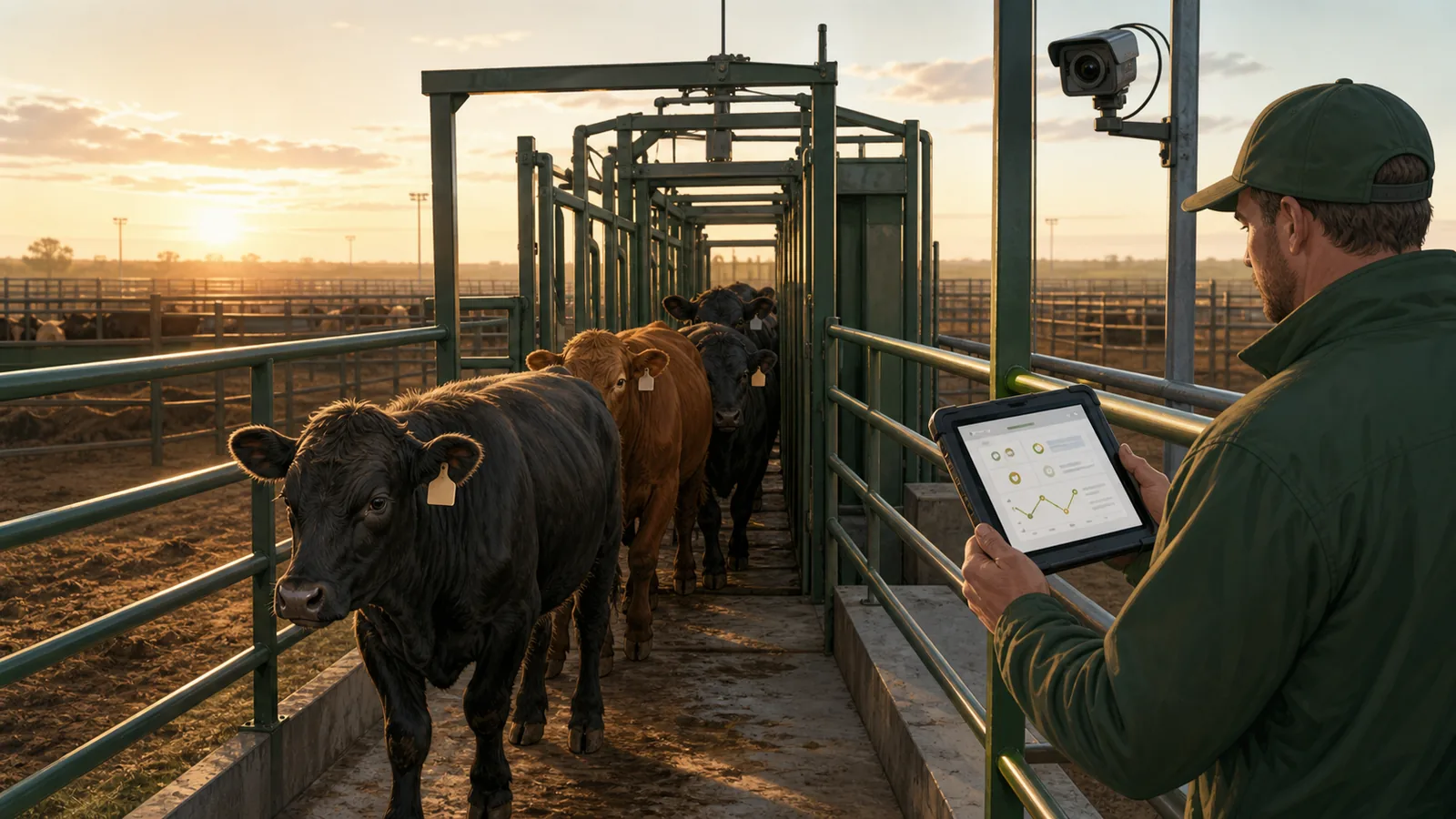
Livestock Technologies associates chute imagery with the EID or RFID and yard record already in use. The source views can include the visible tag, face, and muzzle.
01
Freeze the load record
Keep the official files unchanged. Give the receiving event one stable load reference that the yard can use.
02
Read the official ID
Capture the EID or RFID read and visible tag while the animal is controlled. Record failed or conflicting reads.
03
Capture the visual reference
Save the visible tag, face, muzzle, time, and chute lane beside the known read. Keep the original image available.
04
Post the first pen
Connect the animal or group to the first assigned pen. Update the expected count and preserve the observed arrival.
05
Close every exception
Send an unread tag, count mismatch, or wrong-pen event to a named reviewer. Keep the decision with its evidence.
Camera evidence supports identity and movement review. It does not replace official inspection, certificates, laboratory work, diagnosis, or veterinary decisions.
See the feedlot identity workflow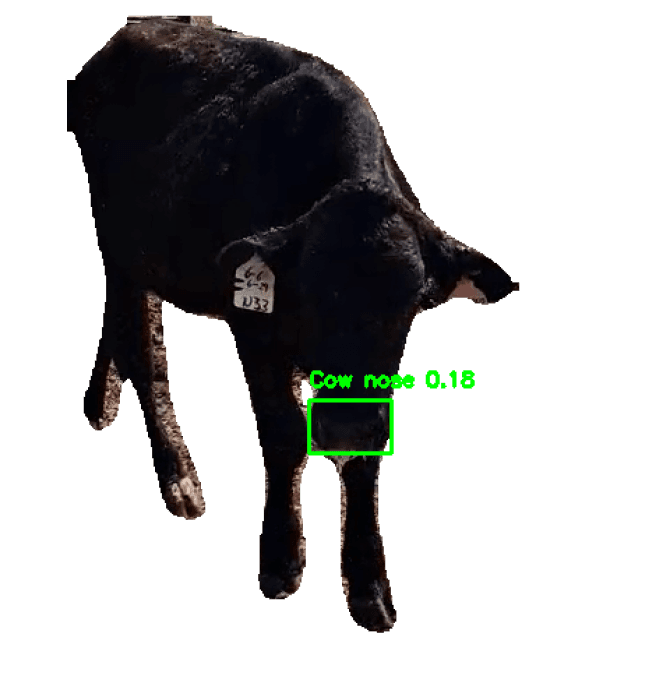
Working identity mechanism
Keep the source image behind the identity review.
The example shows a visible ear tag and a marked muzzle region in the same cattle reference image. This supports a reviewable identity workflow beside the known chute record.
The Tuskegee University deployment also documents controlled chute-reference capture, fixed pen cameras, on-site processing, and source imagery for later review.
Review the Tuskegee field evidenceAfter the border handoff
Official entry does not close the feedlot's receiving work.
APHIS says every animal entering through the reopened ports will receive a full USDA inspection for signs of New World screwworm.
The feedlot still needs its normal arrival count, direct cattle check, pen assignment, movement record, and response process. Keep those events connected to the incoming load.
For the broader receiving and biosecurity plan, read our southern cattle-port receiving guide.
A practical next step
Map one load from document to first pen.
Bring one shipment example, the receiving lane, the current yard record, and the people who close identity or count exceptions.
We can map where the official file ends, where the yard record begins, and which camera views support the handoff.
Request a receiving identity assessmentEvidence
Sources and current requirements
- USDA APHIS: Importing live cattle and bison from Mexico
- USDA APHIS: Model health certificate for feeder cattle and bison from Mexico
- USDA APHIS: Protocol for steers and spayed heifers from Mexico
- USDA APHIS and SENASICA: New World screwworm import protocol
- USDA APHIS: Phased reopening of southern livestock ports
- Associated Press: Mexico resumes cattle sales under new controls
- Livestock Technologies: Tuskegee University field deployment
Reviewed August 22, 2026. Importers should confirm current requirements with APHIS and the responsible animal-health officials before moving cattle.