The short answer
Watch the cattle, but verify the pasture and the animal.
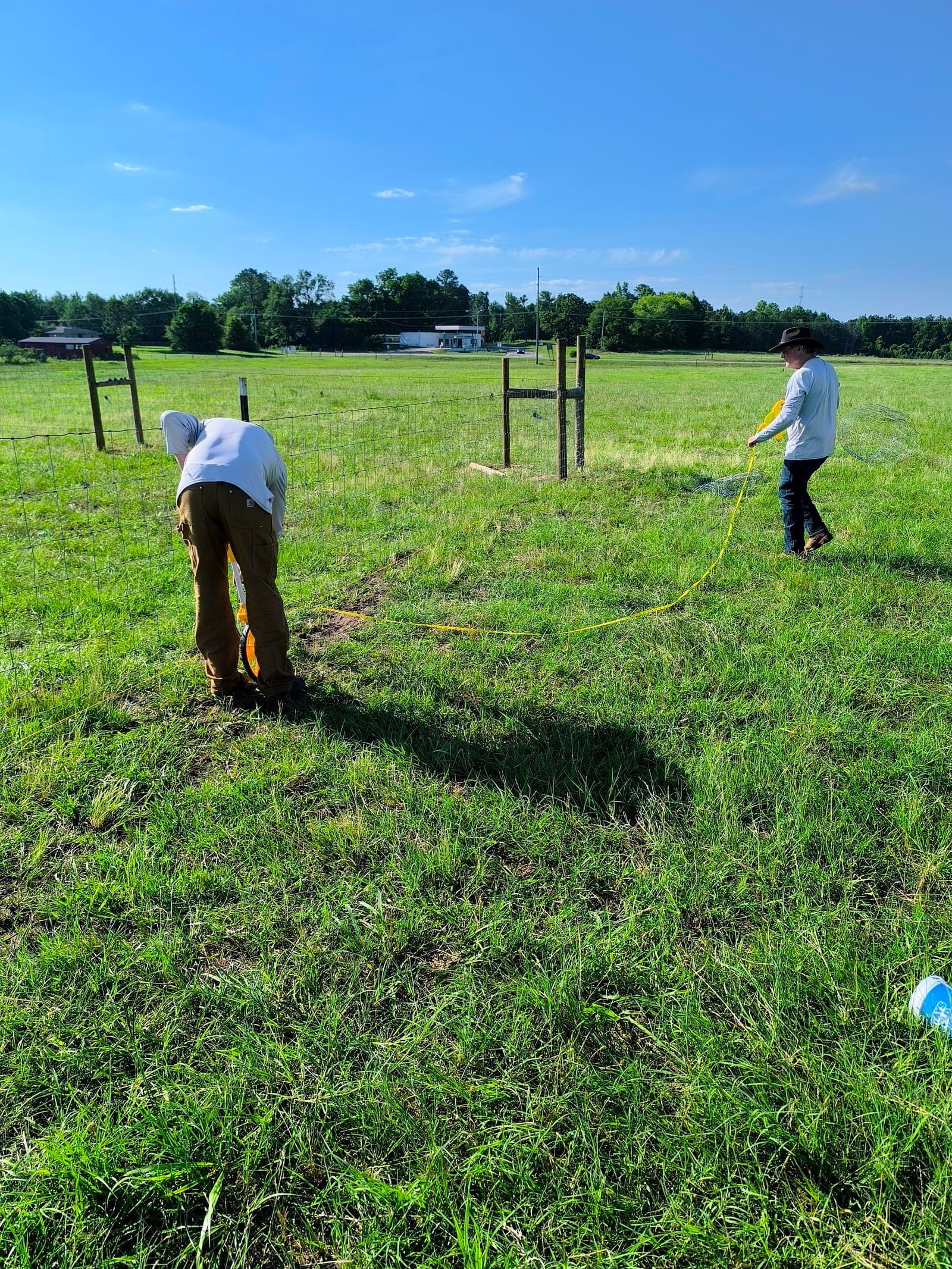
Fescue toxicosis occurs when cattle eat tall fescue carrying an endophyte that produces ergot alkaloids. An endophyte is a fungus that lives inside the plant.
Those alkaloids can restrict blood flow and make it harder for cattle to handle heat. A useful review combines visible cattle changes with pasture, weather, testing, and a qualified direct check.
What to check first
Make four checks before naming the cause.
01
Record the cattle change
Note reduced grazing, more time in shade or water, rapid breathing, rough hair coats, or lower activity. Record what is visible without naming a cause.
02
Identify the pasture exposure
Record the field, forage stand, grazing dates, seedhead stage, recent pasture work, and any available forage or alkaloid test.
03
Capture the weather
Keep air temperature, humidity, wind, shade, water access, and the time of each observation. Heat can make the problem harder on cattle.
04
Get a direct cattle check
Have the responsible cattle-care professional examine the animals and direct the response. Similar changes can have several causes.
Visible signs are not specific to fescue.
Heat, limited water or shade, handling, disease, parasites, feed changes, and other exposures can alter cattle behavior. Use the operation's direct-check and veterinary process for animal concerns.
A reviewable observation record
Keep the animal, pasture, conditions, and response together.
A note that says only “cattle looked hot” cannot answer which cattle changed, where they grazed, what the weather was, or what happened next.
Animal or group
Animal ID when available, group, pasture, count, age class, and production stage
First observation
Time, concrete behavior, duration, location, and original image or clip
Pasture exposure
Field, forage type, grazing dates, seedheads, test result, and sample date
Conditions
Temperature, humidity, wind, shade, water access, handling, and recent movement
Direct review
Examiner, findings, veterinarian or forage adviser direction, and open questions
Action and follow-up
Completed work, responsible person, new observation, and next review time
Continuous behavior monitoring
Cameras can organize the timeline, not decide the diagnosis.
Fixed RGB cameras record visible color, posture, position, and group activity. Thermal cameras record surface-temperature patterns, which are not the same as core body temperature.
- Compare grazing, standing, shade use, and water-zone activity by time of day.
- Preserve the first visible change and the source clip behind a review note.
- Compare affected and reference groups when the camera views and conditions are suitable.
- Review the same cattle before and after a documented management action.
Livestock Technologies keeps time, location, visible activity, and source imagery connected for review. People use pasture tests, direct examination, weather, and professional judgment to determine action.
Current research
A new alfalfa study is testing a possible tool, not reporting an answer.
USDA Agricultural Research Service, the University of Kentucky, and Auburn University are studying whether compounds in alfalfa can help cattle facing fescue toxicosis and heat stress.
The project runs through 2028. Its plan includes controlled challenges, temperature and blood-flow measures, feeding behavior, and field-grown alfalfa comparisons.
That work does not yet establish an on-farm feeding result. Producers should use current local forage, veterinary, and Extension guidance instead of treating a study plan as a recommendation.
Documented field infrastructure
The observation mechanism is installed and recording.
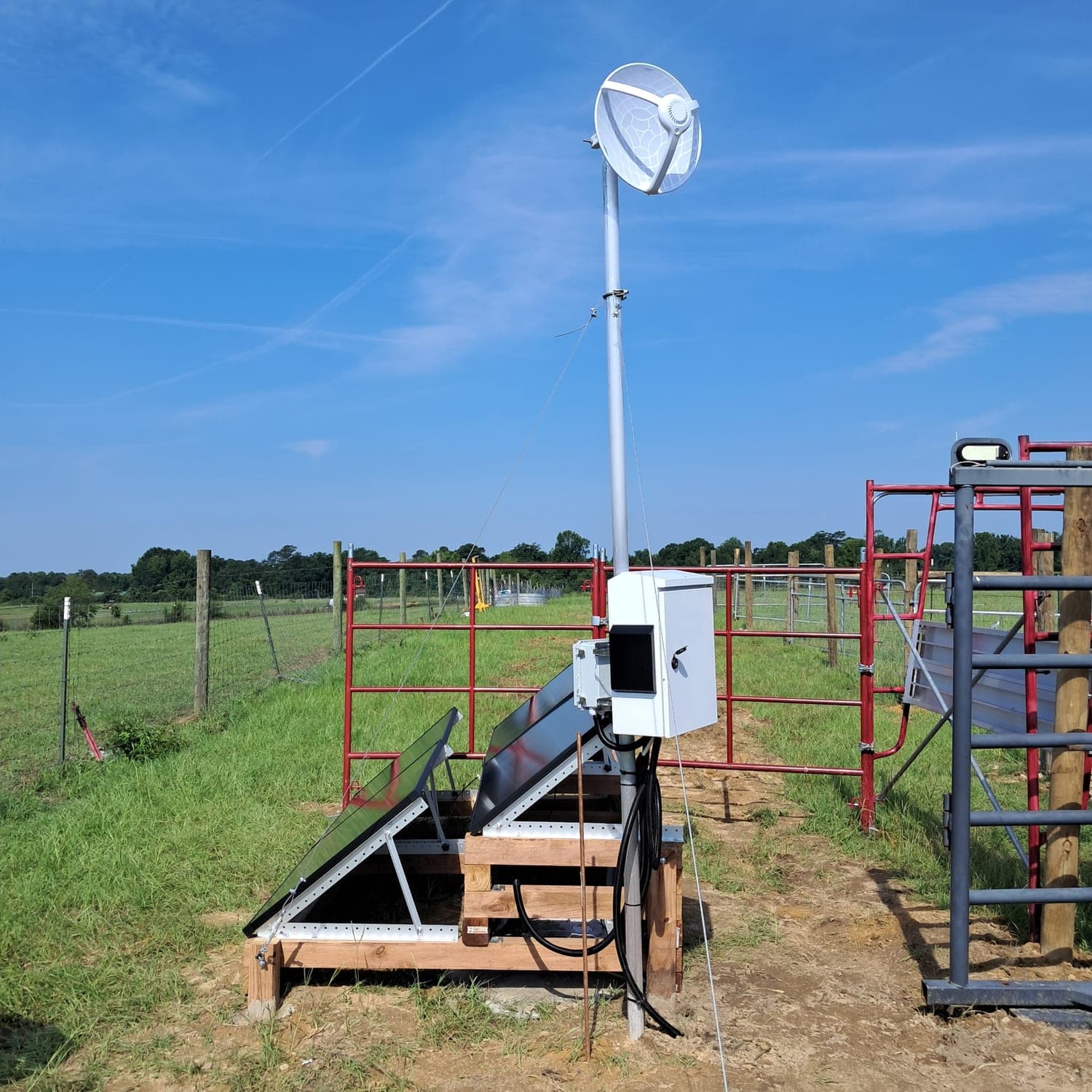
The Tuskegee University deployment records 60 cattle across four research pens. It combines fixed RGB and thermal cameras with solar nodes, wireless backhaul, and on-site processing and storage.
The installation proves the capture and review infrastructure. It does not prove fescue exposure, detection performance, a health outcome, or a commercial result.
Review the Tuskegee field evidenceA practical next step
Choose one pasture question and define the record first.
Start with one question, such as when cattle leave grazing for shade or water. Define the camera view, direct checks, pasture facts, weather record, reviewer, and follow-up before collecting data.
That keeps the work useful even when the first observation has several possible causes.
Request a cattle observation assessmentEvidence
Sources and current guidance
- University of Kentucky: Fescue Toxicosis in Cattle
- University of Kentucky: Alfalfa research for fescue toxicosis and heat stress
- USDA ARS: Alfalfa and fescue toxicosis research project
- University of Missouri: A whole-system approach to tall fescue endophytes
- NC State Extension: Ergot alkaloids in animal feeds
- Livestock Technologies: Tuskegee University field deployment
Reviewed August 21, 2026. Research plans are described as plans. Cattle health, forage, and treatment decisions remain with the operation's qualified professionals.