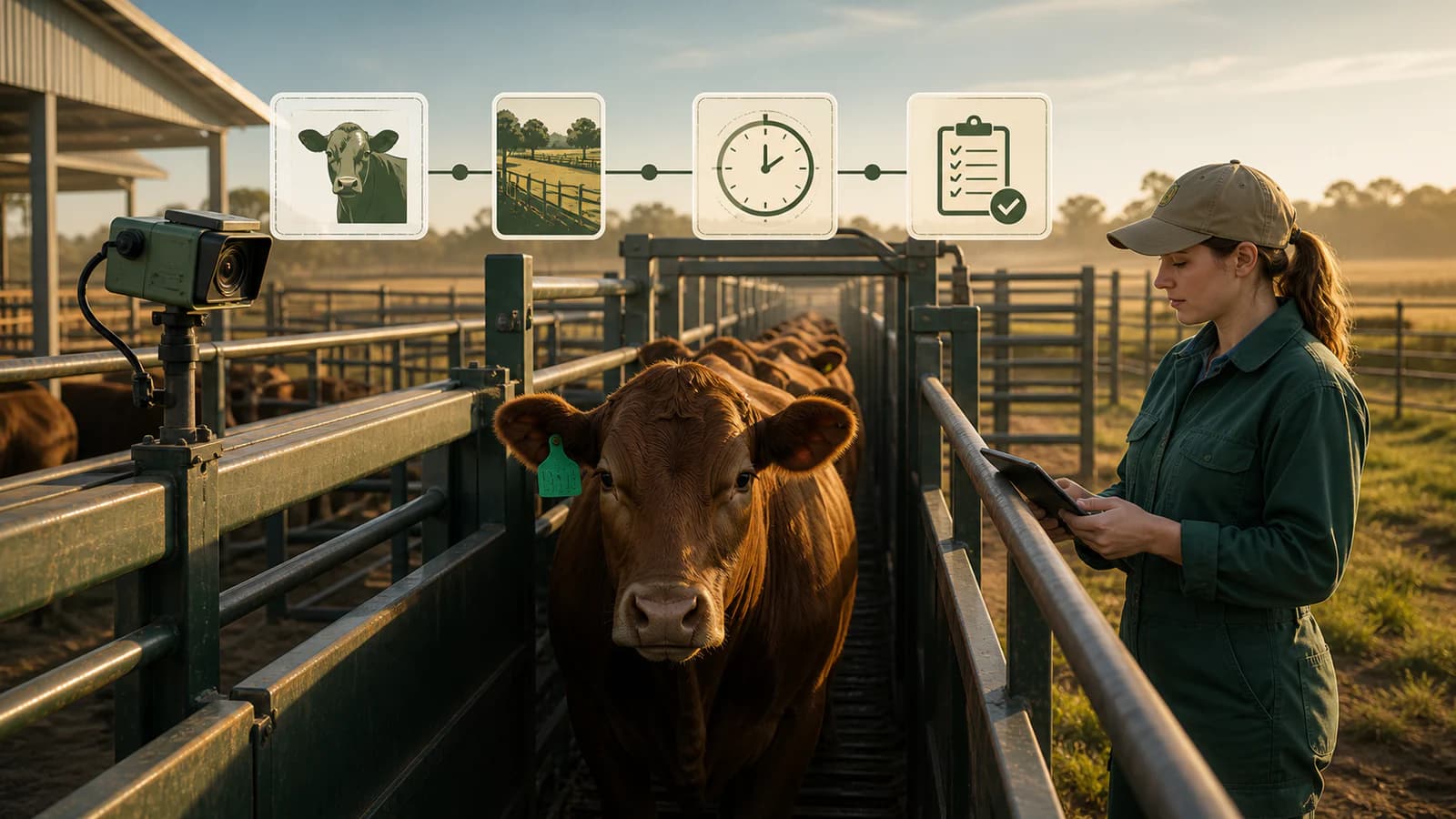
The short answer
Better surveillance starts with a record that stays connected.
A laboratory result has little operational value if the team cannot trace it to the right animal, sample event, pen history, treatment, and follow-up.
Keep those events on one timeline. Use the original identifiers and source evidence so qualified people can review what happened without rebuilding the case from memory.
What the new federal plan means
NARMS monitors resistance. It does not write your treatment protocol.
The National Antimicrobial Resistance Monitoring System is called NARMS. FDA, CDC, USDA, public-health departments, and universities use it to track resistance in people, retail meat, and food animals.
The 2026–2030 plan centers on stronger surveillance, wider collaboration, and new monitoring tools. It supports research and policy. It does not replace a veterinarian-client-patient relationship or yard protocol.
FDA also updated its framework for reviewing antimicrobial animal drugs. The agency states that its medical-importance rankings are not a stand-alone guide for treatment decisions.
What feedlot surveillance can show
Sample timing and cattle context change how results are read.
A completed Canadian program sampled respiratory bacteria at feedlot entry and again at rehandling. It linked samples with feedlot, animal class, risk group, date, sample number, and ear tag.
The program found more resistance at rehandling for the three bacteria it followed. It also found meaningful differences between calves and yearlings.
These are Canadian surveillance findings. They do not describe every animal, yard, organism, or drug. They show why time, cattle class, sample handling, and feedlot context must stay with the result.
Transport time matters.
The Beef Cattle Research Council notes that respiratory samples need prompt laboratory delivery. Record collection, packing, shipment, and receipt times instead of keeping only the final result.
Read laboratory evidence carefully
Different tests answer different questions.
Culture grows bacteria from the sample. An antimicrobial susceptibility test then checks how the recovered bacteria respond to selected drugs under laboratory conditions.
Genetic tests look for bacterial material or resistance genes. A detected gene does not always prove that a living organism will resist treatment in the animal.
A 2026 commercial-feedlot study compared culture, long-read sequencing, and a rapid genetic method. The tools did not always detect the same organisms or resistance signals.
The study also found differences between arrival and 14 days on feed. Keep the test method, sample time, handling record, and laboratory interpretation attached to every result.
Surveillance
Looks for patterns across defined animals, places, organisms, and time periods.
Laboratory result
Reports what the selected method found in one submitted sample.
Clinical decision
Combines the animal, examination, history, protocol, laboratory evidence, and veterinary judgment.
The connected cattle record
Keep six parts together from first observation to closeout.
The exact fields should follow your veterinarian, Beef Quality Assurance plan, product label, and legal requirements. These six groups make the timeline easier to review.
Animal
EID/RFID, visible tag, operation ID, lot, source, age class, and any tag change
Observation
Date, time, pen, observer, direct signs, and the reason for the cattle-care review
Sample
Sample type, collection site, collector, animal ID, time, handling, shipment, and laboratory accession
Movement
Home pen, pull time, hospital location, rehandling, return pen, and unresolved identity questions
Treatment
Veterinarian-directed product, dose, route, date, responsible person, and withdrawal date
Follow-up
Recheck time, direct findings, laboratory result, next action, final location, and record owner
Where camera evidence fits
Use cameras for identity and context, not clinical conclusions.
Livestock Technologies connects controlled-chute reference images with visible tags, EID/RFID, and operation records. Pen cameras can preserve presence and movement context around later reviews.
What cameras can preserve
- Visible tag and reference views at a controlled chute passage.
- Time, location, pen presence, and visible movement context.
- Source clips for a later identity or timeline review.
- A visual reference that stays connected to EID/RFID and yard records.
What cameras cannot decide
- Whether an animal has bovine respiratory disease or another condition.
- Which organism is present or whether it resists an antimicrobial.
- Which drug, dose, route, or treatment duration is appropriate.
- Whether a laboratory result applies beyond the sampled animals and setting.
The Nose ID chute workflow is an identity research pipeline under validation. It should support the established record, not replace official identification, direct examination, laboratory testing, or veterinary judgment.
Review the controlled-chute identity workflowA practical workflow
Close identity gaps before they reach the laboratory result.
01
Confirm the animal before the record grows
Read the EID/RFID or tag, capture the visible reference, and resolve any mismatch before attaching a sample or treatment.
02
Freeze the sample event
Keep the animal, pen, sample type, collection time, collector, handling, shipment, and laboratory accession together.
03
Keep veterinary decisions in their own fields
Record the current protocol and veterinarian-directed treatment without turning a camera observation into a health conclusion.
04
Carry movement and rehandling forward
Connect the pull, hospital location, rehandling, return, and any tag change to the same animal timeline.
05
Review the complete case
Compare the original observation, sample, laboratory result, treatment record, movement history, and follow-up before closing the record.
A simple record audit
Follow one case without filling gaps from memory.
Choose one closed cattle-care record each month. Ask a person who did not handle the case to follow it from the first observation through the final location.
- Can the reviewer confirm the same animal across the tag, sample, treatment, and movement records?
- Does every time use the same clock and time zone, including shipment and laboratory receipt?
- Are corrections dated and attributed without replacing the original observation?
- Can the reviewer find the final pen, withdrawal status, next check, and person who closed the record?
Record the first broken link. Fix the handoff, field, clock, or identity step that created it. Do not erase the gap from the historical record.
Documented field infrastructure
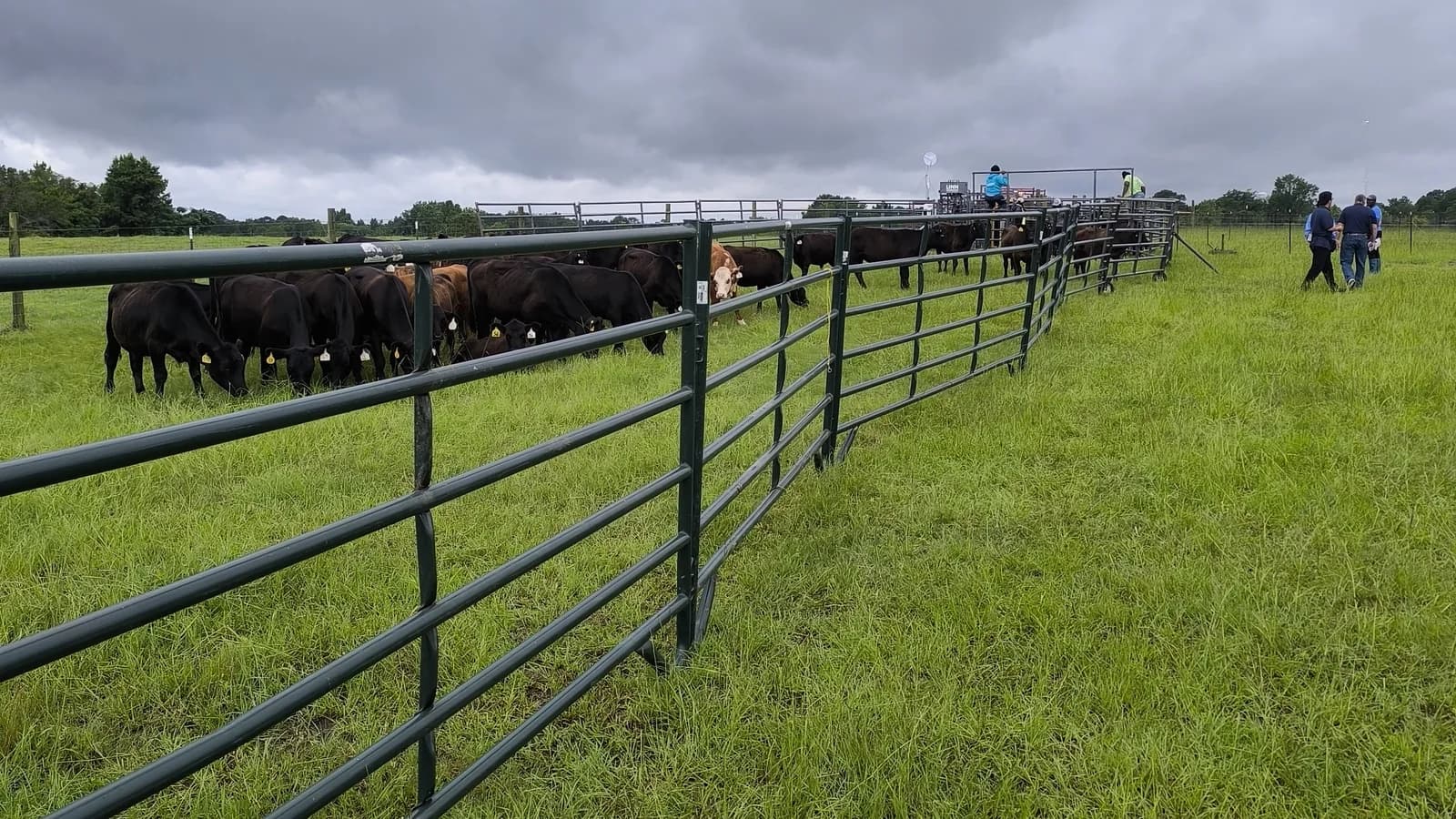
Chute reference capture is part of the Tuskegee field platform.
The Tuskegee University deployment records 60 cattle across four research pens. It includes fixed RGB and thermal cameras, on-site processing, storage, and controlled-chute reference capture.
That work documents the capture and identity mechanism. It is not an antimicrobial-resistance study, a treatment result, or proof that every identity question is resolved.
Review the field evidenceSources and current guidance
Read the surveillance plan, research, and record guidance.
A practical next step
Map one chute event from animal ID to final follow-up.
Bring one current record to your veterinarian and yard team. Mark where identity, sample, treatment, movement, or follow-up becomes hard to trace. Then scope the evidence capture around that gap.
Scope a chute identity assessment