Answer first
A camera can record an interaction, but distance cannot explain it
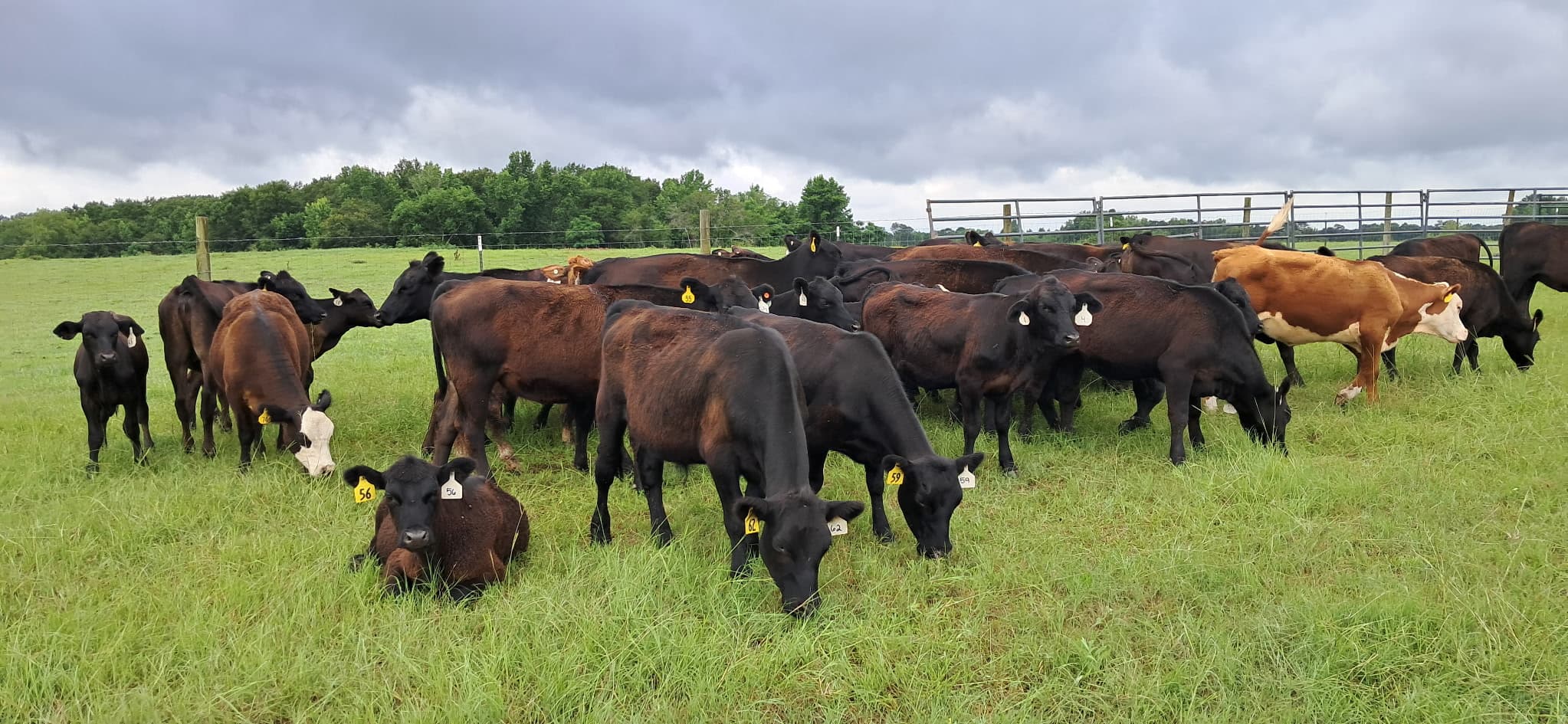
Two cattle can stand close while grazing, resting, waiting at water, walking through a gate, grooming, or competing for space.
A useful study combines distance with body direction, posture, movement, contact, timing, identity, setting, and a reviewable source clip.
The resulting label remains a study observation. It is not a diagnosis, welfare outcome, or claim about why the animals acted.
Why proximity falls short
The same spacing can describe different behavior
Proximity means that two animals fall within a chosen distance. It does not identify the action between them.
A 2026 dairy-cattle study tested posture, movement, and time around close encounters. Its central finding was practical: static distance misses important social meaning.
The study was a proof of concept with six cows observed at one site on one day. That narrow setting matters when applying the result elsewhere.
Recent pasture research found another limit. Common grazing and hay-feeding behavior was easier to classify than rare fear and competitive behavior.
Rare events need clear definitions, enough examples, and source video that trained reviewers can inspect.
Observable evidence
Record the parts a reviewer can see
Begin with visible actions such as approach, withdrawal, contact, displacement, following, grooming, or shared use of a zone.
Then record body direction and movement. A head orientation, turn, stop, or retreat can change how an encounter is labeled.
Use video around the event, not one selected image. The seconds before and after contact often separate passing from an exchange.
Keep the setting. A gate, shade line, bunk, water point, handling event, or person can explain why cattle gather.
When identity or anatomy is hidden, preserve that uncertainty. An unknown state is more useful than a confident guess.
Six-step study plan
Move from field video to a reviewable interaction
Define the visible interaction
Describe what a reviewer must see. Set start and end rules before labeling footage.
Map the social setting
Record gates, shade, bunks, water points, group size, and spaces where cattle gather.
Preserve identity and coverage
Keep animal references when possible. Mark overlap, exits, blind spots, and unknown cattle instead of guessing.
Use a time window
Review movement before, during, and after contact. One frame rarely explains the exchange.
Keep the source clip
Connect each label to the original video, time, camera, location, and review notes.
Test agreement
Have trained reviewers label a sample independently. Resolve unclear definitions before scaling the study.
Research data export
Keep every label connected to its evidence
| Record field | What to preserve |
|---|---|
| Interaction definition | Write the visible action, its start, its end, and the behaviors that look similar. |
| Time and source video | Keep timestamps, camera identity, and the reviewable clip around the event. |
| Cattle identity | Record visible tags, EID or RFID references, or an explicit unknown state. |
| Posture and movement | Preserve orientation, body position, approach, withdrawal, contact, and direction. |
| Place and context | Keep the pen or pasture zone, gate, bunk, water point, people, and known events. |
| Coverage state | Mark blocked views, missing animals, poor light, dropped frames, and uncertain observations. |
| Label and reviewer | Store the assigned behavior, reviewer, review date, and disagreement or correction. |
| Method version | Name the written protocol, label set, and model or export version used. |
Product walkthrough
Build the field record before interpreting behavior
Livestock Technologies uses fixed RGB and thermal cameras, solar field nodes, wireless backhaul, and on-site processing and storage.
At Tuskegee University, the documented deployment covers four research pens and controlled chute-reference capture.
A study workflow can preserve camera identity, time, zone, source video, visible cattle activity, identity references, and coverage states.
Researchers still define the behaviors, reference observations, review process, and biological question. The platform supports that record; it does not replace it.
Explore the research platform, monitoring scope, and documented field deployment.
Sources
Read the current cattle-behavior research
- Smart Agricultural Technology: Beyond proximity—pose-based interaction classification for dairy cattle social behavior analysis
- Scientific Data: Multi-Target Behavior Detection Dataset for Simmental Beef Cattle
- Animals: Developing Intelligent Models to Detect and Classify Cattle Behavior on Pasture
- CVPR 2026: MooCap—A Multi-View Multi-Modal Dataset for Cattle Behavior Recognition
- Livestock Technologies: Tuskegee University Field Deployment
Practical next step
Bring one interaction and one field area
We will map camera views, event definitions, identity references, field limits, source clips, and review steps around your research question.
Plan a social-behavior study