Local-First Feedlot Data: On-Site Processing and Operator Control
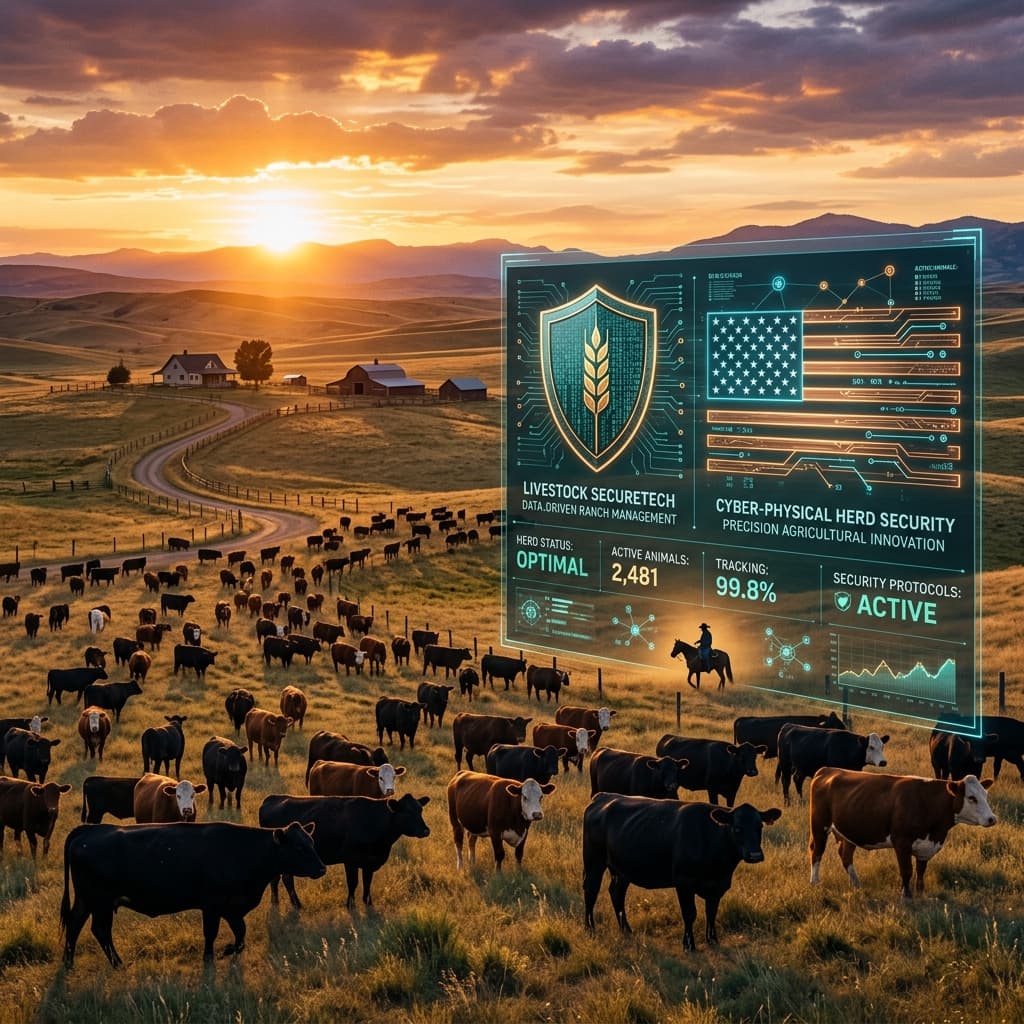
A livestock-monitoring deployment creates operational records that deserve explicit governance. Where data is processed matters, but ownership, access, retention, backup, export, deletion, support, and incident response matter just as much.
Livestock Technologies supports on-site AI compute and storage so an operation can keep primary camera and observation data local, reduce continuous-cloud dependence, and define access, retention, backups, exports, and recovery around its operation. Security and retention depend on the deployed controls and tested recovery plan.
Why Architecture and Contracts Both Matter
Cloud, local, and hybrid designs each have tradeoffs. Buyers should ask which functions continue during a network outage, which remote services are required, who can connect to the system, and how updates and support are authenticated.
On-site processing can support continued local capture during some connectivity interruptions. Actual resilience must be established through documented uptime, storage capacity, power backup, recovery testing, and clear failure behavior.
A Local-First Data Checklist
Put the following terms in the technical plan and agreement before installation:
Ownership and Authorized Access
State who owns raw imagery, derived observations, identity references, annotations, and exports; identify every human or service allowed to access them.
Retention, Backup, and Recovery
Specify retention periods, storage limits, backup location, recovery objectives, deletion behavior, and how missing or corrupted data is reported.
Security and Portability
Document encryption, credentials, update controls, audit logs, incident response, vulnerability handling, data export, and what happens when the service ends.
Stewardship in the Digital Age
Responsible data stewardship means collecting only what serves the defined purpose, preserving the evidence needed for review, limiting access, and giving the operation practical control over retention and export.
"Local processing is an architectural choice. Trust comes from tested controls, transparent failure modes, and enforceable data terms."