The move is part of the experiment
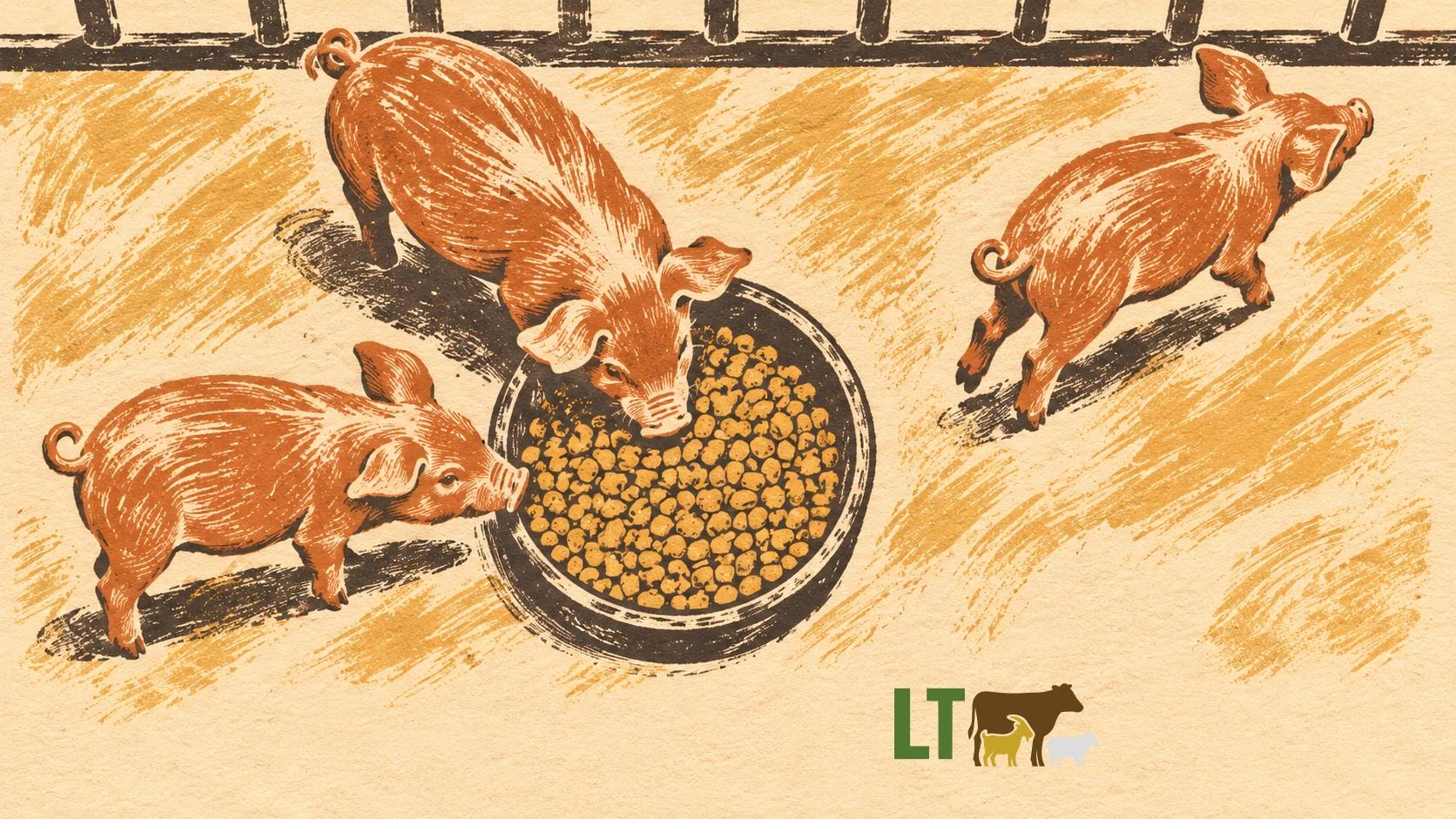
A piglet that has been nursing has to get used to dry feed. If it moves at the same time, it also has to find the feeder and drinker in an unfamiliar space. South Dakota State University Extension points out that changes in diet, housing and social surroundings can arrive together. That makes the move part of the comparison, even if the feed is the same.
In the June 2026 university report, some litters stayed in the stalls where they were born after the sow was removed. Other litters moved to nursery pens. Both groups received the same nursery diet. Leaving piglets in the stall kept the surroundings and existing heat and water sources familiar while the team added a feeder. The experiment compared those two housing routines together; it could not tell which feature of the stall or nursery mattered most.
The first day gives a clue
Researchers used video from some stalls and nursery pens to compare eating behavior during the first three days. On day one, the litters that stayed appeared to spend more time eating. The full trial report treats that difference as a tendency. It gives researchers a reason to look closely at the first day in a follow-up study.
Over the first week, more feed disappeared from feeders in the familiar-stall group, and those piglets gained weight faster on average. The team tracked feed disappearance by pen or stall. That means it measured what was gone from the feeder, which can include spilled feed. Growth is a separate result from the weights the team recorded, and the early footage cannot show that longer eating time caused the difference.
What a feeder view adds
Imagine two pens use similar amounts of feed over a week. On the first afternoon, a clip from one pen shows several piglets settling at the feeder. In the other pen, a piglet approaches, is nudged aside and leaves. The week’s total would not show whether both groups got started in the same way. Footage gives a researcher something specific to check in later rounds: whether those short approaches and departures keep happening.
A view across the feeding area can show when piglets approach and how long they stay. An angle that includes their heads can help an observer decide whether they are eating or simply exploring. Those behaviors can be compared at the same time after weaning in each group. If a question calls for the amount each piglet ate, the team needs a separate way to measure individual intake.
Give the two measures different jobs
Early video tells a team how feeding gets started. Pen totals and weights tell it what happened over a longer period. Together they can help a university team choose its next question. For instance, if piglets in the nursery frequently leave the feeder soon after arriving, the next comparison might keep the diet fixed and focus on how they reach and use the feeding space.
Livestock Technologies can help plan fixed views and time-stamped footage that a study team can revisit beside pen measurements. The monitoring approach, documented field work and university research capabilities show how we scope that work. The piglet study team chooses the behavior it wants to follow and how it will measure feed use.
What would your weaning study need to see?
Bring the pen layout and the feeding question you want to answer. We can discuss which views would make the first day easier to compare across pens.
Discuss a swine research project →