The water is part of the observation
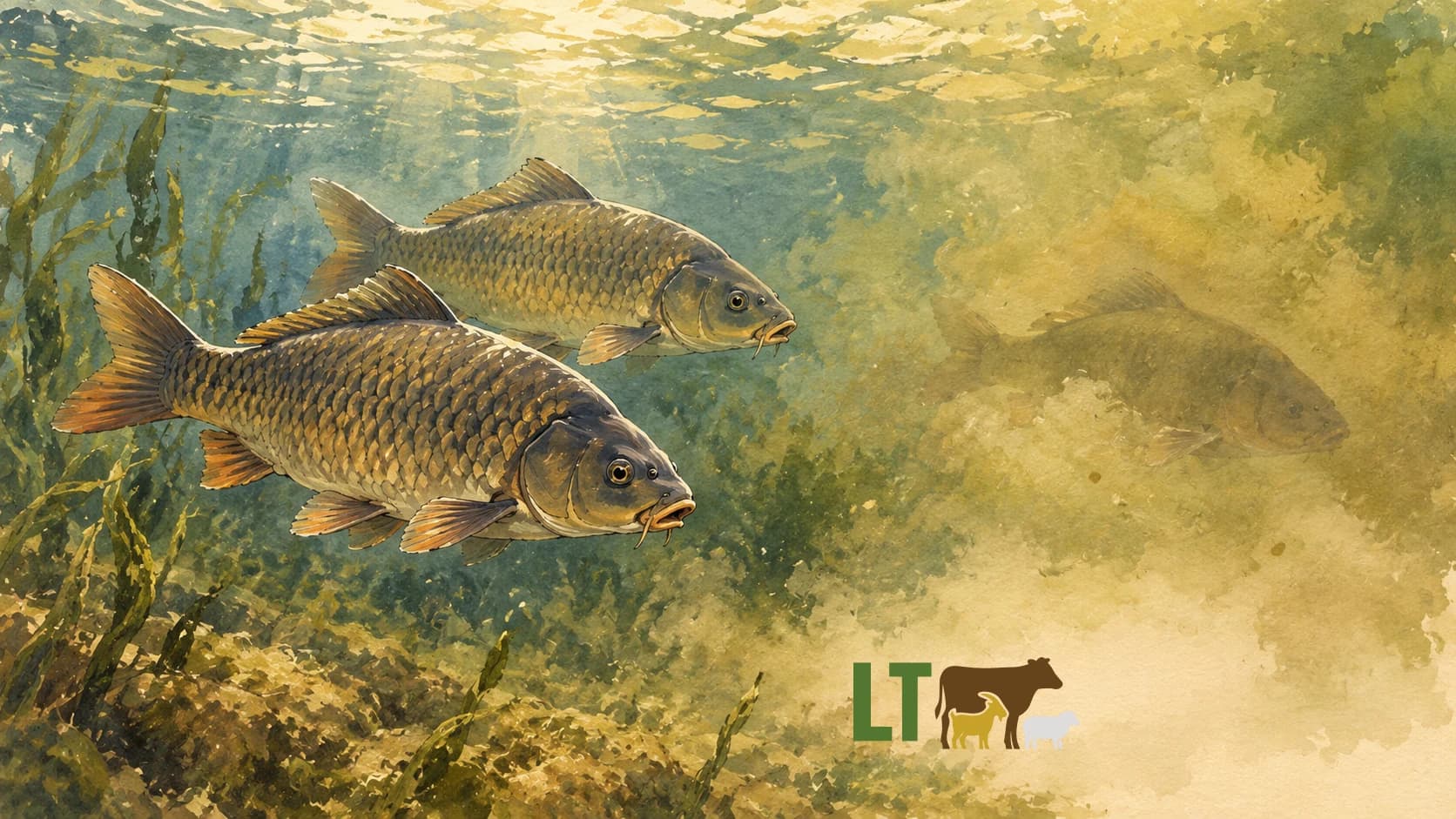
A fish swims beyond the clear patch in an underwater image. Its outline fades, then disappears. The camera has lost sight of it, but the animal may still be nearby.
For a research team, that simple distinction affects equipment choices. The observation system needs to suit the water as well as the animal. Livestock Technologies can discuss the capture, connection and source-data infrastructure around that research question, including where specialist instruments would need a separate scope.
Light and sound reveal different things
A conventional underwater camera records light. Imaging sonar sends sound into the water and forms an image from returning echoes. It is a different way to observe a scene, rather than a sharper version of the same photograph.
A U.S. Geological Survey field description from August 2020 shows that distinction in practice. Researchers used imaging sonar at a water-control structure in Michigan's Shiawassee National Wildlife Refuge. The equipment collected imagery across different times of day and clear to poor water clarity.
That project concerned wild-fish habitat use, rather than farm inventory. It nevertheless gives U.S. aquaculture researchers a concrete example of using sound where visual observation faces changing conditions.
A new study brings the views together
An October 26, 2026 Scientific Reports article describes a fish-monitoring method that combines optical appearance with sonar-derived shape and position information. Its authors are based at institutions in China and Sweden.
The method changes how much it relies on each source as conditions change. It also follows fish through successive observations to reduce missed and repeated counts. The reported tests included clear water, dense schools, cloudy water and disturbance from bubbles.
The authors also report field-scale tests in eight aquaculture ponds. Those results describe their tested method and conditions. They are a reason to investigate combined sensing, rather than a universal accuracy promise for a U.S. pond.
The useful principle is easy to follow: two instruments may contribute different information. Combining them should improve the answer to a defined question, rather than simply produce more data.
Decide what the count should describe
Counting fish passing through a known opening is a different job from estimating every fish in a pond. The first question concerns a passage. The second also needs a defensible account of which parts of the pond were observed.
Imagine a university testing an observation system beside a tank outlet. The team wants to know how many fish pass through during a planned transfer. A camera view and a sonar view could be compared with an independent count made during that transfer.
Now imagine moving the same equipment to the edge of a large pond. The fish visible near it would not automatically represent the whole population. The new paper's approach explicitly links observations with the effective sensing space and survey path. Where the instruments look is part of what their estimate means.
These are proposed research examples, not reported Livestock Technologies trials. They help a team choose a useful target before choosing equipment.
Build a useful route back to the fish
For a university collaboration, start with the fish question, the water conditions and the area that needs to be observed. Then decide what source material colleagues must be able to revisit when an observation is uncertain.
Our technology workflow connects fixed views, field connectivity, processing and access to source footage. A custom aquaculture project would define the underwater equipment and any acoustic-data integration separately; this article does not describe an existing company sonar or fish-counting product.
The documented field work and university capabilities brief explain our infrastructure approach. The goal is a clear connection between the animal question, the view that can answer it and the information the research team receives.
Never lose an animal.
What does your aquaculture study need to count?
Bring the species, water conditions and observation area. We can discuss a practical capture and data scope around your research question.
Discuss an aquaculture research project →