Five Feedlot Data Workflows Worth Building
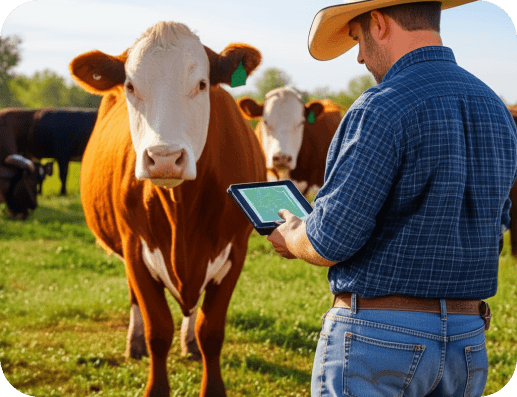
Feedlot data earns its place when it helps an accountable person see the operation more clearly and act with better evidence. The strongest workflows connect an owner, observable activity, source evidence, and a repeatable implementation step.
These five workflows build a practical operating record across the people and decisions that keep a yard moving.
1. Inventory reconciliation
Owner: inventory leadership. Observable: arrivals, pen counts, movements, treatments, sales, and losses. Evidence: time-stamped records and source clips. Implementation: align daily count review with the system of record and resolve exceptions.
2. Bunk review
Owner: feed crew and nutrition team. Observable: bunk conditions, delivery records, visible bunk activity, weather, and routine changes. Evidence: bunk calls, scale tickets, delivery records, and camera context. Implementation: place the day’s evidence in the review where crews already make feed decisions.
3. Environmental context
Owner: yard and facilities teams. Observable: weather, shade, water access, traffic patterns, and pen conditions. Evidence: site records, inspections, and time-linked visual context. Implementation: document the local conditions that help explain a pen-level observation.
4. Animal observation
Owner: pen riders and animal-health teams. Observable: visible movement, rest, bunk-zone use, water-zone activity, and social context. Evidence: source imagery and established operational records. Implementation: organize reviewable exceptions so teams can focus their direct assessment.
5. Record integration
Owner: operations leadership. Observable: the connection between daily work, source evidence, and the operating record. Evidence: reconciled inventory, feed, care, and movement records. Implementation: define the review owner, escalation path, correction process, and shared reporting rhythm.
Build, Review, Improve
Start with one workflow where a clearer record will help the team today, then make the owner, evidence, and implementation rhythm explicit. Each site measures errors, coverage, and operational value before scale.
Livestock Technologies works with feedlot and research teams to turn specific operating questions into practical camera coverage, evidence retrieval, and record workflows.