2026 Cattle Supply: An Operations Readiness Guide
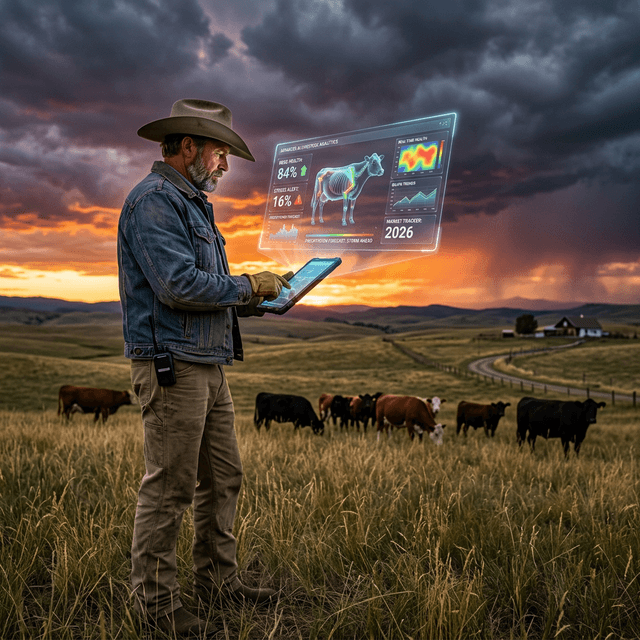
Cattle inventory shapes the operating environment long before it shows up in a single pen. USDA’s annual Cattle report provides the national inventory reference, while the pace of heifer retention, calving, and placements makes herd rebuilding a multi-season operating reality.
That context is a reason to strengthen the records and routines already driving the yard: know where cattle are, what changed, what the team observed, and which source record supports the next decision.
Start With a Reconciled Operating Picture
Inventory reconciliation connects pen counts, arrivals, movements, treatments, deaths, sales, and the system of record. A strong daily picture gives inventory owners and yard leadership a dependable starting point for feed, labor, health, and marketing conversations.
Camera evidence adds a time-linked visual layer to that record. It can help teams retrieve the context around a count change, movement event, bunk pattern, or pen-level question without searching through hours of footage.
Turn Movement Exceptions Into Useful Evidence
Operations generate meaningful signals every day: a movement that needs reconciliation, a pen count that deserves a second look, a change in visible activity, or a question from the crew that needs a source clip. A camera-based exception workflow organizes those events into reviewable evidence for the people closest to the work.
Inventory Owners
Reconcile count-related exceptions with the yard’s records and retrieve source evidence when a movement needs context.
Feedlot Crews
Use pen, bunk, water-zone, and movement views to prepare for rounds and share what the crew observed.
Animal-Health Teams
Review time-linked visual context alongside their direct assessment, treatment records, and established care protocols.
Build Readiness Around the Records You Trust
The most useful technology fits the records and decisions that already matter to an operation. Define the pens and activities that need visibility, the events that should create an exception, the person responsible for review, and how the result returns to the operating record.
That structure creates a clear path from continuous capture to practical operations: evidence is available, exceptions are organized, and the yard retains a stronger account of what happened and how the team responded.
Plan for a Multi-Season Supply Cycle
USDA inventory reporting is a disciplined reference point for understanding national herd position; individual operations still make decisions through their own cattle, capacity, feed, health, and market records. This article does not forecast cattle prices or profitability.
"Readiness comes from reconciled records, clear exceptions, and evidence that reaches the team in time to use it."
Strengthen Your Yard’s Operating Record
Map the inventory, movement, and evidence workflows that matter most to your operation. We’ll help turn them into a practical camera and review plan.
Bring us the livestock workflow or research question.
We'll help define the smallest useful deployment, the evidence it should produce, and how your team will evaluate fit.